Blog

  • A Practical Guide to Building a Better Guest-Posting Workflow

    Publishing useful articles on other websites can introduce a business to new readers, build relationships with publishers, and support a broader content strategy. But guest posting involves more than writing a draft and sending it off. Research, editorial coordination, quality checks, and clear communication all matter. A well-planned workflow helps keep the work relevant to each publication rather than turning it into a repetitive link-placement exercise.

    Start with the reader, not the backlink

    Before contacting a website, consider who reads it and what those readers need. A suitable publication should cover subjects that overlap naturally with your expertise or audience. A company that sells accounting software, for example, might contribute practical guidance on organizing business records, rather than submitting an unrelated article simply because the site accepts outside contributors.

    Read several recent posts to understand the publication’s style, level of detail, and preferred structure. Check whether it uses first-person reporting, step-by-step advice, or concise explainers. Notice which topics have already been covered. This preparation makes it easier to suggest a distinct angle and reduces the chance of sending an editor a draft that does not fit.

    Understand white-label guest posting

    In a white-label arrangement, an outside provider may handle some or all of the guest-posting work on behalf of an agency or business. The client can then deliver the completed service under its own brand. Depending on the arrangement, tasks might include publication research, outreach, writing, editing, and coordinating approvals. The specific responsibilities should be agreed on in advance.

    For teams considering white-label guest posting, the key question is not simply how many placements can be arranged. It is whether the process protects editorial quality and gives the client enough visibility to make informed decisions. A clear brief should explain the intended audience, subject boundaries, tone, claims that need support, and any requirements for links. It should also identify who reviews the draft and who has final approval.

    Set quality standards before work begins

    Useful standards make it easier to assess work consistently. Define what counts as an appropriate publication, how original the content must be, and what evidence is expected for factual claims. Decide whether the article needs expert review, and specify how revisions will be handled. If a publisher has its own contributor rules, those rules take precedence over a client’s preferred format.

    Do not treat a link as the article’s main purpose. It should help readers reach a genuinely relevant resource or understand a point more fully. Excessive exact-match wording or a link placed where it does not belong can make a piece feel engineered for search engines. Editors may reject such drafts, and readers are less likely to trust them. A contribution should make sense even if the reader never clicks its links.

    Keep communication and approvals organized

    Guest-posting projects often involve several people: the client, a writer, an outreach specialist, and an editor at the publishing site. A shared brief and a simple status tracker can prevent missed details. Record the proposed topic, publication requirements, draft stage, feedback, approval, and publication status. Keep notes on changes so that the final version reflects the agreed brief without ignoring the host site’s editorial judgment.

    When hiring independent specialists, choose a process that makes responsibilities and costs clear. A freelance marketplace such as Osdire brings buyers and freelancers together across more than 900 categories, including writing and translation, marketing, design, and technology. Its flat pricing and payment held while an order is underway can be useful when setting expectations; the payment is released after the delivered work is approved. As with any hiring route, clients should review a freelancer’s relevant samples and agree on scope before work starts.

    Measure outcomes beyond publication count

    A large number of placements is not, by itself, a reliable sign of success. Consider whether the articles reached the intended audience, attracted meaningful engagement, or led to useful conversations and referrals. Review the quality and relevance of each publication, too. A smaller number of thoughtful contributions may serve a brand better than a long list of weakly related placements.

    Keep expectations realistic. A guest article cannot guarantee rankings, traffic, or leads, and results may take time to evaluate. Track available indicators over a suitable period, but interpret them alongside the quality of the content and the relationship with the publisher. If a placement performs poorly, use that information to refine topic selection, audience fit, or the distribution plan rather than automatically increasing volume.

    Build a process that respects publishers

    The strongest guest-posting workflow is based on useful ideas, honest communication, and respect for editorial standards. Research the site, write for its readers, check the facts, and make sure each link has a clear purpose. White-label support can help teams manage the workload, but responsibility for the quality and accuracy of the finished article should remain clear. When every contributor understands that the reader comes first, guest posting becomes a sustainable part of publishing rather than a shortcut.

  • How to Protect Your Home From Water Problems Before They Become Expensive

    How to Protect Your Home From Water Problems Before They Become Expensive

    Water is something we use constantly, yet most homeowners rarely think about its quality until a problem becomes impossible to ignore. Maybe the shower leaves your skin feeling unusually dry. Perhaps the kettle develops a chalky layer, or the water from the kitchen tap suddenly tastes strange. These signs can seem minor at first, but they may point to deeper issues within the home’s water supply.

    The good news is that many water-related problems can be identified and managed with the right information. A home doesn’t necessarily need an expensive collection of filters and treatment equipment. What it needs is a practical plan based on the water source, household usage, and the specific problems being experienced. Understanding those details can make water care more affordable, efficient, and effective.

    Start by Understanding Your Water Quality

    Every home receives water from a particular source, and that source has a major influence on quality. Municipal water systems are generally treated before reaching households, while private wells depend on local groundwater conditions. Water quality can also vary between neighborhoods, seasons, and even individual properties.

    Some common concerns include hardness, sediment, chlorine, iron, bacteria, and certain naturally occurring or industrial contaminants. Not every issue is visible. Water may look perfectly clear while containing substances that require testing to detect.

    Homeowners should pay attention to changes in taste, odor, color, or pressure, but these observations should be treated as clues rather than proof. A metallic taste, for example, might be related to plumbing materials, dissolved minerals, or another cause. Testing through a certified laboratory can provide a clearer picture of what is actually present.

    Choosing Home Water Treatment Solutions Wisely

    The phrase home water treatment solutions covers a wide range of equipment, and choosing the right option requires more than buying the most popular product. Different systems are designed for different purposes.

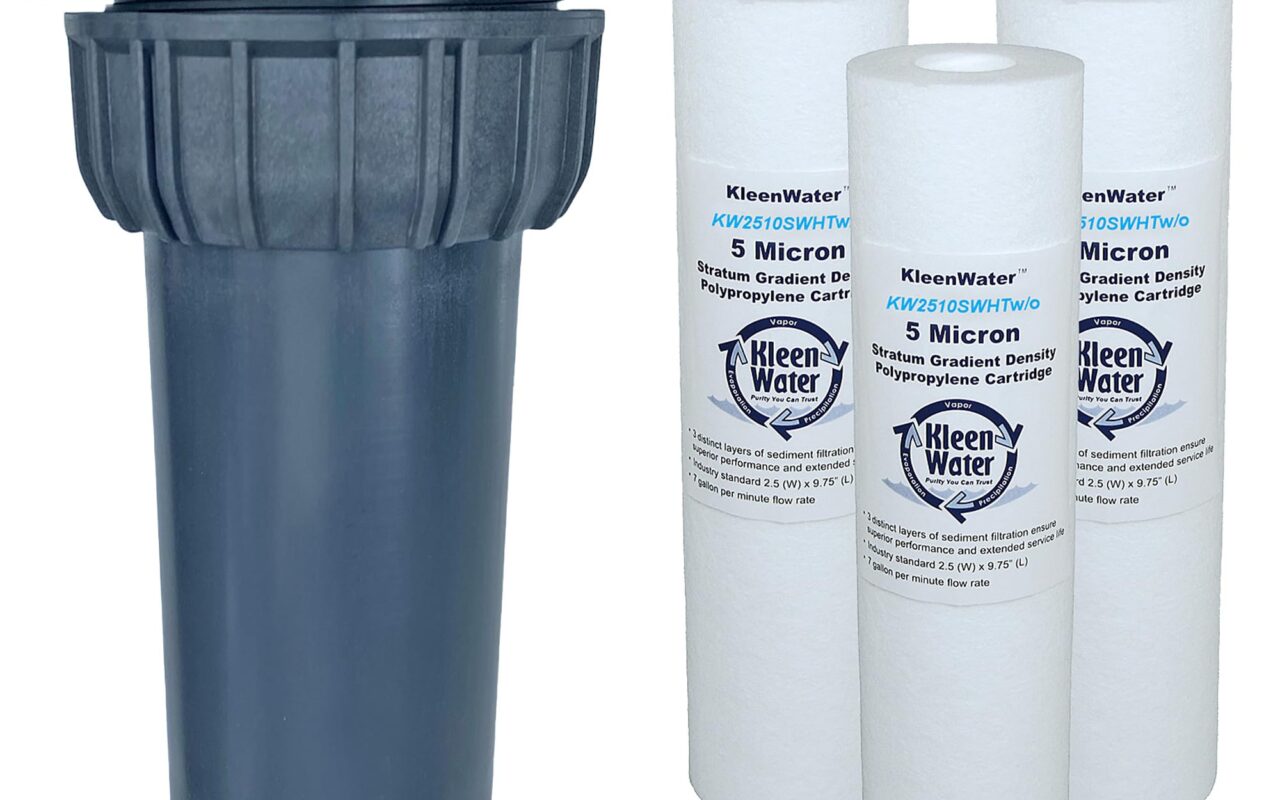
    A sediment filter can reduce dirt, sand, and rust particles. Carbon filtration may help improve taste and odor while reducing certain chemicals. Water softeners are mainly used to manage hardness caused by minerals such as calcium and magnesium. Reverse osmosis systems are often installed for targeted drinking-water treatment, while ultraviolet systems may be suitable for certain microbial concerns.

    The best choice depends on the test results and the way water is used in the property. A family concerned mainly about drinking water may not need whole-house treatment. On the other hand, a home dealing with heavy scale throughout the plumbing may benefit from a system installed at the main water entry point.

    It’s also important to understand what a system cannot do. No single device removes every possible contaminant. Reputable manufacturers should provide clear performance information and certifications that explain which substances the equipment is designed to reduce.

    Recognizing the Effects of Hard Water

    Hard water is common in many regions and is usually caused by elevated levels of calcium and magnesium. While it is not always considered a direct health concern, it can create a long list of household frustrations.

    One of the clearest signs is scale. White deposits may appear around faucets, showerheads, sinks, and appliances. Soap may struggle to lather, laundry can feel stiff, and glassware may come out of the dishwasher looking cloudy.

    Over time, hard water damage can affect plumbing fixtures and appliances. Scale may build up inside water heaters, reducing efficiency and forcing the system to work harder. It can also restrict water flow through smaller pipes, valves, and shower components. These problems rarely appear overnight. They develop gradually, which makes them easy to overlook until repairs become necessary.

    A water softener can help reduce hardness by exchanging calcium and magnesium ions for sodium or potassium ions. However, the system must be correctly sized and maintained. It’s also worth discussing salt use, regeneration frequency, and wastewater with a professional before installation.

    Dealing With Bad Taste and Unpleasant Odors

    Taste and odor problems are among the most common reasons homeowners begin exploring water treatment. Water may have a chlorine-like smell, a rotten-egg odor, a metallic taste, or a stale flavor that makes people reach for bottled water instead.

    The cause matters because different problems require different solutions. Chlorine-related taste and odor may respond well to activated carbon filtration. A rotten-egg smell may be linked to hydrogen sulfide, particularly in some well-water systems. Metallic flavors can be associated with iron, manganese, or plumbing corrosion.

    If you’re dealing with bad taste & smell, avoid assuming that a basic filter will solve everything. A carbon filter may improve certain odors but won’t necessarily remove dissolved minerals or bacteria. In some cases, aeration, oxidation, specialized media, or another treatment method may be more appropriate.

    Sudden changes should not be ignored. If the water develops a strong or unusual odor, especially after flooding, plumbing work, or a change in the water source, it’s sensible to stop using it for drinking until the cause has been investigated.

    Why Testing Should Guide Your Decisions

    Water testing is the foundation of a sensible treatment plan. Without testing, homeowners may spend money treating a problem they don’t actually have while leaving the real issue unresolved.

    A basic test may examine hardness, pH, total dissolved solids, chlorine, iron, and other common indicators. Depending on the source and local conditions, additional testing may be recommended for bacteria, nitrates, lead, arsenic, or other contaminants.

    Private well owners should be particularly careful because well water quality can change due to flooding, nearby construction, agricultural activity, damaged well components, or seasonal groundwater movement. Regular testing helps identify changes before they affect the household.

    When reviewing results, look beyond a simple “safe” or “unsafe” label. Ask what was tested, what the results mean, and whether the levels require treatment, monitoring, or further investigation. A qualified water professional should be able to explain the findings in plain language.

    Installation Matters More Than Many People Realize

    Even a good treatment system can perform badly if it is installed in the wrong place or connected incorrectly. Proper installation includes checking water pressure, flow rate, pipe size, drainage, electrical requirements, and available space.

    The equipment should be accessible for filter changes, inspections, and repairs. Installing a system in a cramped location may seem convenient during the initial setup, but it can make routine maintenance frustrating later.

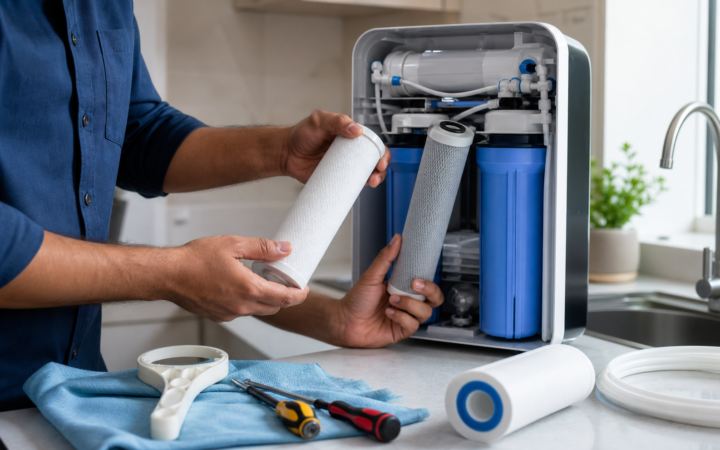
    Homeowners should also ask about bypass valves, replacement parts, warranties, and expected operating costs. Some systems need salt, cartridges, membranes, or lamps replaced on a schedule. Understanding these requirements before purchasing helps avoid unpleasant surprises.

    Simple Habits That Prevent Bigger Problems

    Water treatment equipment works best when supported by sensible household habits. Replace filters according to the manufacturer’s instructions rather than waiting until water pressure drops dramatically. Check for leaks around connections and inspect faucets or showerheads for scale buildup.

    If the home has a water softener, monitor salt levels and look for signs of bridging or improper regeneration. For reverse osmosis systems, replace filters and membranes as recommended. Neglected equipment can become less effective and, in some cases, create hygiene concerns.

    It’s also wise to keep records of water tests, filter replacements, and professional servicing. A simple note in a phone calendar can make a surprising difference.

    A Smarter Way to Protect Your Home

    Water problems don’t always announce themselves loudly. Sometimes they begin with a faint odor, a little scale, or a gradual change in how appliances perform. Paying attention to those details can prevent larger expenses later.

    The most effective approach is not to chase every new treatment product. It is to understand the water, confirm the problem, select equipment that addresses it, and maintain that equipment consistently. With the right balance of testing, planning, and care, homeowners can protect their plumbing, improve everyday comfort, and feel more confident about the water flowing through their taps.

    Clean, reliable water is not something that should be taken for granted. It is a basic part of a healthy, functional home—and it deserves a thoughtful approach.

  • Practical Plumbing Solutions for Cleaner Drains and Safer, Stress-Free Homes

    Practical Plumbing Solutions for Cleaner Drains and Safer, Stress-Free Homes

    Most people don’t think much about their plumbing when everything is working properly. Water runs from the tap, showers drain, toilets flush, and the water heater quietly does its job. It’s only when something starts making strange noises or water refuses to move that plumbing suddenly becomes the most important thing in the house.

    Plumbing problems can range from a simple clogged sink to a serious pipe burst that threatens floors, walls, and furniture. Some issues develop slowly, while others appear without warning. Knowing how to respond, when to call a professional, and how to prevent repeat problems can save homeowners time, money, and plenty of frustration.

    Modern plumbing companies offer much more than basic repairs. They provide drain maintenance, emergency assistance, inspections, and experienced technicians who understand how different systems work together. With the right approach, homeowners can keep their plumbing dependable instead of constantly reacting to problems.

    Why Drain Problems Shouldn’t Be Ignored

    A slow drain is often treated as a minor annoyance. People may pour a chemical cleaner into the sink, use a plunger, or simply wait for the water to drain eventually. Sometimes these methods help, but they don’t always solve the underlying issue.

    Drain blockages can develop because of hair, soap residue, grease, food particles, mineral deposits, foreign objects, or tree roots in outdoor lines. When buildup continues, water may drain more slowly until the pipe becomes completely blocked. In some cases, pressure from standing water can also contribute to leaks or damage around pipe connections.

    Multiple slow drains may point to a larger problem in the main drainage system. Foul smells, gurgling sounds, recurring backups, or water rising in another fixture are signs that the issue may be deeper than a simple sink clog.

    Addressing these warning signs early is usually easier than waiting for wastewater to overflow onto the floor.

    The Role of Professional Drain Cleaning and Hydro Jetting

    Basic drain cleaning can remove common blockages, but stubborn buildup may require more advanced equipment. Professional drain cleaning & hydro jettin services use specialized tools to clear debris and restore proper water flow. Hydro jetting is particularly useful for heavy grease, sludge, mineral deposits, and other material attached to the interior walls of pipes.

    During hydro jetting, a powerful stream of water is directed through the pipe. The pressure breaks apart buildup and flushes the debris away. Unlike a basic drain snake, which may create a narrow opening through a blockage, hydro jetting can clean a larger portion of the pipe’s interior.

    However, hydro jetting is not automatically the right choice for every plumbing system. Old, fragile, cracked, or severely damaged pipes may not tolerate high-pressure cleaning. A qualified plumber should inspect the system and determine whether hydro jetting, mechanical snaking, pipe repair, or another method is more appropriate.

    Regular professional drain maintenance can also help businesses and homeowners reduce recurring blockages. It is especially useful for restaurants, commercial kitchens, older properties, and homes with a history of drainage problems.

    When You Need an Emergency Plumbing Service

    Not every plumbing problem requires immediate emergency assistance. A dripping faucet can often wait until a scheduled appointment, but certain situations should be treated as urgent.

    A burst pipe, major water leak, overflowing toilet that cannot be stopped, sewage backup, or complete loss of water may cause significant damage if left unresolved. Water can spread quickly beneath flooring, inside walls, and around electrical systems. The longer it remains uncontrolled, the greater the risk of structural damage, mold growth, and expensive restoration.

    An emergency plumbing service is designed to respond to urgent problems at any hour. While waiting for help, homeowners should take practical steps to limit damage. Locate the main water shut-off valve and turn it off if it is safe to do so. Move valuable items away from standing water, avoid using electrical equipment in wet areas, and keep children and pets away from contaminated wastewater.

    If the emergency involves a suspected gas leak, do not attempt to repair the line or operate electrical switches. Leave the property and contact the gas utility or emergency services from a safe location.

    Why Professional Experience Makes a Difference

    Plumbing systems can be complicated, especially in older homes where previous repairs may have created unusual connections or hidden weaknesses. A professional does more than identify the visible problem. They look for the reason it happened and assess whether other parts of the system may be affected.

    For example, a recurring toilet blockage could be caused by an obstruction near the fixture, but it might also indicate a damaged sewer line. Similarly, low water pressure could result from a clogged aerator, corroded piping, a failing pressure regulator, or a problem with the main supply.

    Working with licensed & certified technicians gives homeowners greater confidence that repairs are being completed according to accepted safety standards and local requirements. Qualified technicians typically have training in plumbing codes, diagnostic methods, equipment use, and safe repair procedures.

    Before hiring a plumbing company, ask whether the technicians are properly licensed, insured, and experienced with the type of work required. Specialized jobs, such as sewer repairs, gas line work, or water heater installation, should be handled by professionals with relevant experience rather than someone who only performs basic maintenance.

    How to Prevent Recurring Plumbing Issues

    Preventive maintenance doesn’t need to be complicated. A few simple habits can reduce the risk of major plumbing trouble.

    Avoid pouring cooking grease, oil, or thick food waste down kitchen drains. Use strainers in sinks and showers to catch hair, food scraps, and other debris before they enter the pipes. Do not flush wipes, paper towels, hygiene products, or other materials that are not designed to break down in water.

    It’s also useful to inspect exposed pipes regularly. Look for rust, moisture, corrosion, loose connections, or small puddles beneath fixtures. Check toilets for silent leaks by adding a few drops of food coloring to the tank and seeing whether the color appears in the bowl without flushing.

    Homeowners should also know where the main water shut-off valve is located. In an emergency, finding it quickly can prevent a manageable leak from becoming a major disaster.

    For older homes, periodic professional inspections may reveal hidden issues before they become expensive. A plumber can assess water pressure, drainage performance, pipe condition, and other important components of the system.

    Choosing a Plumbing Company You Can Trust

    When comparing plumbing companies, price should not be the only consideration. A very low estimate may leave out important work, use poor-quality materials, or fail to include follow-up support.

    Look for a company that provides clear written estimates, explains repair options, responds promptly, and communicates honestly about possible complications. Reviews can be helpful, but personal recommendations and direct conversations can also reveal a great deal about a company’s reliability.

    Ask whether the company offers warranties on labor and parts. Find out how emergency calls are handled and whether additional fees apply outside normal business hours. A professional plumber should also respect your home, protect work areas, and clean up after completing the job.

    Final Thoughts

    Plumbing problems are inconvenient, but they become much easier to manage when homeowners understand the warning signs and act before small issues grow. Regular drain care, responsible household habits, and timely inspections can help protect the entire plumbing system.

    When a blockage is persistent, a pipe fails, or water begins spreading where it shouldn’t, professional help is often the safest and most cost-effective choice. Experienced plumbers have the tools and knowledge to identify the real cause of a problem and recommend a solution that fits the property.

    A reliable plumbing system may not be something you notice every day. That’s actually a good thing. With proper care and the support of qualified professionals, your home can remain comfortable, functional, and protected from avoidable plumbing emergencies.

  • A Local’s Guide to Enjoying Florida’s Gulf Coast Without Rushing It

    A Local’s Guide to Enjoying Florida’s Gulf Coast Without Rushing It

    There’s something about Florida’s Gulf Coast that makes people slow down without really trying. Maybe it’s the warm breeze coming off the water, the soft sand under your feet, or simply the feeling that nobody is in a hurry. You can spend an entire morning doing almost nothing and still feel like you’ve had a proper day out.

    For travelers planning a coastal getaway, pensacola beach is an easy place to fall for. The shoreline is beautiful, of course, but the appeal goes beyond taking a few pictures by the water. There are quiet corners for relaxing, places to eat after a long swim, and plenty of opportunities to enjoy the coast at your own pace.

    Start With the Beach, But Don’t Stop There

    The obvious plan is usually simple: arrive, find the sand, put down a towel, and stay there until sunset. Honestly, that’s not a bad plan.

    Still, the Gulf Coast has more personality when you wander around a little. Early mornings are particularly nice. The beach tends to be calmer, temperatures are more comfortable, and the light makes everything look softer. If you’re an early riser, walking along the shoreline with a coffee can be one of those unexpectedly memorable travel moments.

    Later in the day, the atmosphere changes. Families arrive, restaurants get busier, and the waterfront starts to feel lively. Neither version is better. They’re just different.

    Choosing the Right Time for Your Trip

    Florida’s coastal weather can be wonderfully predictable until it suddenly isn’t. That’s part of the charm, and occasionally part of the frustration.

    Spring and fall are often attractive choices for travelers who want pleasant weather without dealing with the peak summer heat. Summer brings long, bright days and warm Gulf water, but it can also be humid and busy. Winter is generally quieter, making it appealing if your idea of a vacation involves peaceful walks rather than packed beaches.

    Whatever season you choose, check the forecast before heading out. Gulf weather can change quickly, especially during the warmer months. A sunny morning doesn’t always guarantee a completely dry afternoon.

    Exploring Beyond the Sand

    One mistake visitors sometimes make is treating a coastal town as little more than a beach. Once you leave the shoreline, you often discover a completely different side of the area.

    In gulf breeze, for example, visitors can enjoy a more relaxed community atmosphere while still being close to the water. It’s a useful base for people who want access to beaches but also appreciate having parks, local shops, casual restaurants, and quieter neighborhoods nearby.

    The best approach is to leave some space in your itinerary. Don’t schedule every hour. Pick a couple of things you genuinely want to see, then let the rest of the day unfold. You might find a small café you like, stumble across a scenic viewpoint, or simply decide that sitting outside for an hour sounds better than following the original plan.

    Food Is Part of the Experience

    A good beach day works up an appetite. There’s no getting around it.

    The Gulf Coast has plenty of casual dining options, and seafood naturally gets a lot of attention. Fresh fish, shrimp, oysters, crab and other coastal favorites can make a simple lunch feel like part of the vacation rather than just another meal.

    But don’t feel obligated to eat seafood at every stop. Local restaurants often have burgers, sandwiches, salads, barbecue and other familiar choices too. Sometimes, after spending hours in the sun, all you really want is something cold, filling and easy.

    If you’re traveling with family, checking menus beforehand can save a surprising amount of hassle. And during busy periods, eating a little earlier or later than the usual lunch and dinner rush can make the experience much more relaxed.

    A Slower Day Can Be the Best Day

    There’s a tendency when traveling to create an impressive checklist. Beach at 9 a.m., sightseeing at 11, lunch at noon, attraction at 2, shopping at 4, sunset at 6.

    It sounds productive. It can also feel like work.

    A Gulf Coast trip doesn’t need to be that way. Give yourself permission to have a lazy afternoon. Read a book. Take a long walk. Watch boats pass in the distance. Sit somewhere shady and talk with whoever you’re traveling with.

    These ordinary moments are often what people remember most.

    Consider Milton for a Change of Scenery

    If you want to balance coastal relaxation with a little inland exploration, milton offers a different atmosphere. Instead of focusing entirely on the beach, you can spend time around parks, waterways and local outdoor spaces.

    This can be especially appealing for travelers who enjoy nature. Kayaking, hiking, fishing and simply exploring quieter surroundings can give your trip some variety. After a couple of days of sand and saltwater, a change of scenery can feel surprisingly refreshing.

    Milton also works well for travelers who don’t want every part of their vacation to revolve around tourist-heavy areas. Sometimes the quieter stops provide a better sense of the region itself.

    Simple Tips for a Better Gulf Coast Vacation

    A little preparation goes a long way. Bring sunscreen and reapply it, even when the breeze makes the temperature feel comfortable. Keep drinking water throughout the day, particularly during summer. Comfortable footwear matters too, especially if you plan to walk beyond the beach.

    If you’re driving, give yourself extra time during weekends and holidays. Popular coastal areas can become congested, and parking may take longer than expected.

    It’s also worth keeping a small beach bag ready with essentials: water, sunglasses, towels, sunscreen, a phone charger and perhaps a light layer for the evening. Nothing fancy. Just the things you’ll wish you had once you’re already settled.

    And please respect the coast. Take your trash with you, avoid disturbing wildlife, and follow local rules around protected areas. Beautiful beaches stay beautiful because people make an effort to look after them.

    Leave Room for the Unexpected

    The Gulf Coast isn’t really a place that rewards rushing. Its greatest pleasure is often found between the planned activities.

    Maybe you’ll catch an unusually colorful sunset. Maybe a local restaurant becomes the surprise favorite of your trip. Maybe you’ll spend two hours on the beach when you originally planned to stay for thirty minutes.

    That’s okay.

    A memorable Florida getaway doesn’t have to involve expensive activities or a packed schedule. Sometimes it’s simply a comfortable place to stay, good food, warm water, and enough free time to enjoy where you are.

    So make your plans, certainly. Just don’t make too many. Leave a little room for wandering, relaxing and changing your mind. After all, that’s often when a trip stops feeling like an itinerary and starts feeling like a real vacation.

  • Advantages of Living a Lazy Lifestyle, Both Mentally and Physically

    Advantages of Living a Lazy Lifestyle, Both Mentally and Physically

    In a culture that constantly hails productivity, being “lazy” is generally seen as a very bad thing. People are motivated to stay occupied, engage in regular physical activity, work even harder, and make the most of every second. But pushing yourself all the time isn’t necessarily good for you. Sometimes slowing right down, resting and doing absolutely nothing will really benefit your mental and physical health.

    After all, a truly healthy take on a ‘lazy lifestyle’ won’t involve shirking all your duties or physical activity altogether. Rather, it means making space for yourself for regular periods of rest – without having to feel guilty about them.

    Rest Gives Your Mind a Break

    The brain isn’t made to stay intensely focused and productive all the time. Continuous work, notifications, making decisions, and being constantly stimulated can cause mental exhaustion.

    Taking some time out will let your mind rest. Sitting quietly, listening to music, watching something that you’ll find entertaining, or merely gazing out of the window may give your mind a break for your mind from those constant demands.

    These little breaks themselves will make it much easier to get back to work with your attention and energy refreshed again.

    It Can Help Reduce Everyday Stress

    Your very busy schedule will keep your body and your mind constantly on high alert. If you purposefully slow down, you’ll have a chance to let out some of that tension itself.

    Having a really relaxed afternoon at home, having a leisurely morning, or even just a couple of minutes spent lying down helps make things feel much calmer. Although resting won’t eliminate the reasons behind serious or long-lasting stress itself, taking time to relax, whether alone or with Rajkot call girls, is essential to keeping on top of all our daily demands.

    Your Body Needs Recovery

    Physical activity is essential for your overall health – but so too is recovery. Your muscles and other bodily systems really need time to recover from physical effort itself.

    Having rest days between those really tough workouts will actually prevent over-fatigue and let your body truly adapt. Even on days when you’re not pushing yourself hard during exercise, taking a break from prolonged physical or mental activity will really help you feel rejuvenated again.

    In this sense, doing a bit less isn’t quite the opposite of being healthy itself.

    Slower Days Can Encourage Better Sleep

    A very busy lifestyle can really make it hard to get into a restful state at the end of the day itself. Taking some time to slow down will really help you establish a much calmer evening routine.

    Activities like reading, listening to soft music, or simply relaxing away from job-related things can create a natural progression towards bedtime itself. It goes without saying that good sleep is also dependent upon other things like your sleep schedule, environment, and even your own personal health.

    Doing Nothing Can Encourage Creativity

    Not every moment has to be packed with information or entertainment itself. If the mind is left a bit unstructured, it will wander, reflect, and form the most unexpected connections, whether you’re exploring new ideas, meeting Chandigarh escorts, or simply observing the world around you.

    This can sometimes really fuel your creativity and problem-solving abilities. Ideas might come to you while having a shower, strolling about quite easily, sitting outside, or just letting your thoughts roam free without any particular aim.

    It Can Help You Enjoy the Present

    A productivity-oriented way of living leads many individuals to believe that each action is required to have a specific purpose. Resting will put this way of thinking to the test.

    Watching your favourite film, having a cup of tea, spending time with loved ones, or simply reclining on a quiet afternoon might not seem “productive”, yet all of these experiences really do add to one’s quality of life.

    Getting used to appreciating activities themselves rather than turning them into some sort of achievement will lead to a far healthier relationship with time itself.

    The Difference Between Rest and Inactivity

    There’s a very important difference between really resting well and being inactive over a long period of time. Regular physical movement will always be essential for heart health, strength, your ability to move around, and your general well-being. For Delhi escorts, maintaining an active routine can also support overall wellness. Also, putting off responsibilities indefinitely is likely to add to your stress levels instead of decreasing them.

    So the aim is not to turn idleness into a permanent way of life. Actually, we have to face the fact that rest itself holds worth – and that constant hard work isn’t essential for really having a meaningful life.

    Conclusion

    Living a healthy life doesn’t need to be crammed full of activities from dawn till dusk. There must also be some room for rest, recovery, and carrying out activities merely because they will feel so good.

    Actually, the benefits of what might be called a “lazy lifestyle” stem from grasping the worth of really deliberate rest instead of shying away from life itself. Taking those breaks will really help your mental recovery, the restoration of your body, your creativity, and your enjoyment.

    At times, doing absolutely nothing isn’t just killing time. It could be that your mind and your body are actually asking for a bit of space where they can catch their breath.

  • What Makes a Vehicle Wrap Look Truly Professional?

    What Makes a Vehicle Wrap Look Truly Professional?

    A great vehicle wrap can make a business look established before anyone has even spoken to the owner. It can turn an ordinary van into a recognizable brand, give a delivery vehicle some personality, or help a small company stand out on a crowded street.

    But there’s a difference between simply putting graphics on a vehicle and creating a finish that genuinely looks professional. The difference often comes down to planning, materials, preparation and the people doing the work.

    A good wrap should look natural on the vehicle, not like an afterthought. The graphics should be easy to read, the edges should be clean, and the surface should remain smooth when viewed up close. Getting there takes more than a good-looking design.

    Good Design Begins With the Right People

    The design stage is where the entire project starts to take shape. A logo, color palette and business message need to work together, but they also have to work on a moving vehicle.

    This is where experienced designers can make a real difference. They understand that vehicle graphics aren’t the same as designing a flyer or website banner. Drivers may see the vehicle for only a few seconds, so the most important information needs to be immediately recognizable.

    A business name, service and contact method should usually be given priority. Trying to include every possible detail can make the design cluttered.

    There’s also the shape of the vehicle to consider. Doors, handles, windows, curves and seams can interrupt artwork. An experienced designer plans around those features rather than treating the vehicle like a flat rectangle.

    The Vehicle Itself Becomes Part of the Design

    Every vehicle has its own personality, even if it’s a basic work van.

    Curved body panels can distort graphics. Door gaps can break up lettering. Wheel arches may interfere with important parts of an image. A design that looks perfect on a computer can suddenly look awkward when placed on a real vehicle.

    That’s why accurate measurements and vehicle templates matter.

    Designers should think about how the wrap will look from different angles, not just from the side. Someone might see the rear of the vehicle at a traffic light, while another customer notices the driver’s side while walking down the street.

    The strongest designs work from all those viewpoints.

    Surface Preparation Is Easy to Overlook

    Once the design is ready, it’s tempting to rush toward installation. After all, this is the exciting part. The vehicle finally starts to look different.

    But careful surface prep is one of the least glamorous and most important stages of the job.

    The vehicle needs to be clean and free from substances that can interfere with adhesion. Wax, grease, dirt and certain residues can create problems beneath the vinyl. Even tiny particles can affect the final finish.

    The condition of the paint matters too. Loose paint, rust, deep scratches or damaged areas may need attention before wrapping.

    Skipping preparation can create issues that aren’t immediately visible. The wrap might look fine on day one, only to develop lifting edges or adhesion problems later.

    Why Installation Technique Matters

    Installing vinyl requires patience. The material needs to be positioned carefully, worked into curves and handled without unnecessary stretching.

    A professional installer understands how much pressure to use and when to reposition a section instead of forcing it into place.

    Temperature can also affect the process. Vinyl behaves differently depending on the working environment, which is another reason experienced installers don’t simply treat every installation exactly the same way.

    The goal isn’t to finish as quickly as possible. It’s to create a clean, durable result that continues to look good after the vehicle leaves the shop.

    The Importance of a Bubble-Free Finish

    Few things ruin the appearance of a wrap faster than visible air bubbles.

    A proper bubble-free application requires careful handling of the vinyl and attention to the surface underneath. Even small imperfections can become obvious when sunlight hits the vehicle from a certain angle.

    Bubbles can occur for several reasons, including poor surface preparation, incorrect installation technique or trapped air during application. Rushing the process makes these problems more likely.

    A smooth finish should look consistent across large panels. Edges should be properly secured, and difficult areas such as corners and recesses should be finished carefully.

    It’s the kind of detail people may not consciously notice when everything is right—but they definitely notice when something is wrong.

    Choosing Materials for Real-World Conditions

    A vehicle doesn’t live in a showroom.

    It spends time in direct sunlight, rain, dust and traffic. It gets washed. It may sit outside overnight or spend hours parked at a job site.

    That means material selection should reflect how the vehicle is actually used.

    A quality vinyl designed for vehicle applications can provide better durability and appearance than a material chosen simply because it is inexpensive. Finish also matters. Gloss, matte and satin surfaces create very different visual impressions.

    Businesses should ask about expected lifespan, maintenance requirements and warranty coverage before making a decision.

    Maintenance Keeps the Wrap Looking Fresh

    Even a professionally installed wrap needs basic care.

    Regular washing helps prevent dirt and road grime from building up. However, aggressive brushes and harsh chemicals can damage certain vinyl finishes.

    Hand washing with suitable cleaning products is generally a safer option. It’s also wise to address spills and contaminants sooner rather than letting them sit on the surface for long periods.

    Parking in shaded areas when practical can reduce prolonged sun exposure, though modern vehicle-wrap materials are designed to handle outdoor conditions.

    The idea isn’t to obsess over maintenance. A little routine care goes a long way.

    Small Details Create the Professional Look

    Sometimes the difference between an average wrap and a great one is surprisingly small.

    Maybe the phone number is slightly too close to an edge. Perhaps the logo isn’t centered properly. Maybe an important word crosses an awkward body seam.

    These details matter because vehicle graphics represent the business itself.

    Customers may subconsciously connect the quality of the vehicle’s appearance with the quality of the company’s service. It isn’t always fair, but first impressions rarely are.

    That’s why reviewing the final design carefully before production is worth the effort. Check phone numbers, websites, spelling, logos and colors. Once the vinyl is installed, fixing a mistake becomes considerably more complicated.

    A Professional Wrap Starts Long Before Installation

    The finished vehicle may look effortless, but good wrapping is rarely effortless behind the scenes.

    It begins with thoughtful design, accurate planning and suitable materials. Then comes careful preparation, skilled installation and proper maintenance.

    When all those elements come together, the result can be more than attractive. It can become a dependable marketing tool that works every time the vehicle hits the road.

    A professional vehicle wrap doesn’t need to scream for attention. It simply needs to look confident, clear and well made.

    And honestly, that kind of quality tends to speak for itself.

  • Understanding Homebuilder Disputes, Brokerage Conflicts, and Real Estate Disclosure Standards

    Understanding Homebuilder Disputes, Brokerage Conflicts, and Real Estate Disclosure Standards

    Real estate transactions are supposed to be exciting. A new home, a major investment, a development project—these are usually signs that something positive is happening. But property deals involve a lot of moving parts, and when expectations don’t match reality, disagreements can become serious surprisingly fast.

    A buyer might discover defects after moving into a newly built house. A seller may believe a broker failed to perform properly. A real estate professional might disagree with a client over a commission or representation. Sometimes, the real problem is simply that important information wasn’t communicated clearly.

    These situations can lead to legal and financial disputes. Understanding how homebuilder disputes, brokerage conflicts, and disclosure obligations arise can help buyers, sellers, builders, and real estate professionals approach difficult situations with a clearer head.

    Why Real Estate Disputes Become Complicated

    Property disputes rarely involve just one issue.

    A disagreement about a home’s condition might also involve construction contracts, inspection reports, warranties, building codes, photographs, emails, and repair estimates.

    Similarly, a disagreement between a client and broker may involve an agency agreement, commission terms, marketing records, communications, and questions about professional responsibilities.

    That’s why real estate disputes often require careful examination of both documents and facts.

    The first step isn’t always filing a lawsuit. Sometimes it’s figuring out exactly what happened.

    Common Causes of Homebuilder Disputes

    Homebuilder disputes can develop when a newly constructed property doesn’t meet the buyer’s expectations or the terms of the agreement.

    Common concerns may include defective workmanship, construction delays, water intrusion, structural problems, incomplete work, material substitutions, or disagreements about warranty obligations.

    A buyer may feel that something is obviously wrong, while a builder may believe the issue is minor or falls outside the builder’s responsibility.

    The contract and applicable laws can be important here.

    Construction documents may specify materials, deadlines, quality standards, procedures for reporting defects, and warranty responsibilities. Inspection reports and photographs can also provide valuable evidence.

    The earlier a problem is documented, the easier it can be to establish what happened.

    The Role of Construction Documentation

    Construction projects generate a surprising amount of paperwork.

    Plans, specifications, change orders, invoices, inspection records, emails, photographs, and warranty documents may all become relevant if a dispute arises.

    A simple photograph taken during construction can sometimes answer a question that would otherwise require hours of investigation.

    For homeowners, keeping records after closing is also sensible. Don’t immediately throw away inspection reports, builder communications, warranties, or repair invoices.

    Nobody plans to need them later. That’s precisely why keeping them is worthwhile.

    When Brokerage Relationships Go Wrong

    Real estate brokers and agents are often responsible for helping clients navigate significant financial transactions.

    But disagreements can occur over commissions, marketing decisions, representation, communication, property information, or the scope of an agent’s responsibilities.

    Brokerage disputes may arise when a client believes an agent failed to perform agreed services or when the parties disagree about who earned a commission.

    The written agency agreement can be especially important.

    It may establish the duration of the relationship, compensation arrangements, responsibilities, and circumstances under which a commission becomes payable.

    Clear agreements don’t prevent every dispute, but they can reduce ambiguity.

    Communication Is a Bigger Deal Than People Think

    Real estate transactions move quickly.

    A buyer may send a question in the morning and expect an answer the same day. A seller may receive multiple offers and need to make decisions quickly. A broker may be communicating with several parties simultaneously.

    This creates plenty of opportunities for misunderstandings.

    Important conversations should be documented whenever practical.

    If a buyer requests a particular repair, for example, putting the request in writing can prevent confusion later. If a seller authorizes a marketing change, documenting that instruction can establish what was actually agreed.

    It isn’t about creating paperwork for the sake of paperwork. It’s about preserving clarity.

    Understanding Disclosure Obligations

    Real estate disclosure requirements exist to help buyers make informed decisions about property.

    Disclosure standards can vary depending on the jurisdiction and the type of transaction, so sellers and professionals need to understand the rules that apply to their specific situation.

    Potentially relevant issues can include known defects, environmental concerns, water damage, structural problems, previous repairs, certain neighborhood conditions, or other material facts.

    The key word is often “known.”

    A seller generally cannot disclose something they genuinely don’t know. But deliberately withholding information that should be disclosed can create significant legal problems.

    Why Disclosure Disputes Happen

    Disclosure disagreements often involve a simple question: What did the seller know, and when did they know it?

    Imagine a homeowner discovers repeated basement flooding, pays for repairs, and later sells the property. If the issue returns after the sale, the buyer may question whether the problem was properly disclosed.

    The dispute may then involve repair invoices, contractor communications, inspection records, insurance claims, photographs, and prior correspondence.

    Again, documentation becomes important.

    A clear record can help establish what was known, what was repaired, and what information was communicated to the buyer.

    Inspections Don’t Replace Every Responsibility

    Buyers are often encouraged to obtain professional inspections, and for good reason.

    An inspection can identify visible defects and provide valuable information about the condition of a property. But an inspection isn’t necessarily a guarantee that every problem will be discovered.

    Some defects are hidden. Others may only appear under certain conditions.

    That means buyers should understand the scope and limitations of an inspection rather than assuming the inspection transfers every responsibility to the inspector.

    When Experts Become Involved

    Complex property disputes may require professionals with specialized knowledge.

    Construction experts can evaluate workmanship and building practices. Appraisers can address property valuation. Real estate professionals can explain industry practices. Engineers may analyze structural or technical problems.

    Their role can be particularly useful when a dispute involves technical questions that aren’t easily understood from ordinary documents alone.

    A qualified expert should be able to explain the reasoning behind an opinion and identify the evidence supporting it.

    Resolving Disputes Without Escalation

    Not every real estate dispute needs to end in court.

    Negotiation and mediation can sometimes provide a faster and less expensive path toward resolution.

    For example, a builder may agree to repair a defect rather than fight over responsibility. A broker and client might resolve a commission disagreement by reviewing the original agreement and negotiating a settlement.

    Of course, not every dispute can be resolved informally. Some matters require litigation, particularly when significant financial losses or serious legal violations are involved.

    But understanding the available options before escalating the conflict can be valuable.

    Protecting Yourself in Future Transactions

    There are several practical steps that can reduce the risk of real estate disputes.

    Read agreements carefully before signing. Ask questions when language is unclear. Keep copies of important documents. Record significant communications. Arrange appropriate inspections. Understand local disclosure requirements.

    Builders should document construction work and communicate changes clearly.

    Brokers should maintain accurate transaction records and explain the scope of their services.

    Buyers and sellers should avoid relying solely on informal conversations when an issue could affect a major financial decision.

    These habits aren’t complicated, but they can make a meaningful difference.

    A Clearer Path Through Real Estate Conflict

    Real estate disputes can be stressful because property is rarely a small investment. Whether the disagreement involves construction quality, brokerage services, or information disclosed before a sale, emotions can run high.

    Still, the strongest approach is usually grounded in facts.

    Review the contract. Preserve the records. Understand the applicable obligations. Get professional advice when technical or legal questions become difficult.

    Most importantly, don’t assume that the loudest argument is necessarily the strongest one.

    A well-documented transaction gives everyone a better starting point when something goes wrong. And while no contract or disclosure process can eliminate every real estate dispute, clear communication and careful preparation can make difficult situations far more manageable.


  • Why Staying Ahead of HVAC Problems Can Save You Stress Later

    Why Staying Ahead of HVAC Problems Can Save You Stress Later

    Most homeowners don’t think about their heating and cooling system when everything is working normally. The temperature feels right, the vents are doing their job, and there’s no strange noise coming from the equipment. Life goes on.

    Then the system stops working.

    It’s amazing how quickly an ordinary HVAC problem can become a major inconvenience. A hot afternoon without air conditioning or a freezing morning without heat can make the whole house feel uncomfortable. And unfortunately, breakdowns don’t always happen when it’s convenient to call for help.

    That’s why staying ahead of HVAC problems is worth the effort. A little preparation, regular attention, and timely service can make your system more dependable when you need it most.

    Don’t Wait for a Complete Breakdown

    One of the biggest mistakes homeowners make is waiting until their HVAC system completely stops working before doing anything about it.

    If the system is making unusual noises, running longer than normal, producing weak airflow, or struggling to maintain the thermostat setting, those changes shouldn’t be ignored.

    They don’t necessarily mean the equipment is about to fail. Sometimes the cause is something relatively simple, like a dirty filter or restricted airflow. But without checking, there’s no way to know.

    Addressing small concerns early can sometimes prevent a much bigger repair later.

    Regular Service Can Make Life Easier

    HVAC equipment works hard, especially during extreme weather. Components experience normal wear, filters collect dust, and moving parts can gradually lose efficiency.

    Regular professional maintenance gives a technician a chance to inspect the equipment before a minor issue turns into an emergency.

    For homeowners, that can provide peace of mind. You know someone has looked over the system, potential problems have been identified, and the equipment is better prepared for the season ahead.

    It isn’t a guarantee that nothing will ever go wrong. No maintenance plan can promise that. But prevention is usually easier—and less stressful—than reacting to a breakdown.

    Prepare Before the Weather Gets Extreme

    Timing matters when it comes to HVAC maintenance.

    Having your cooling system inspected before summer and your heating system checked before winter gives you a chance to deal with problems before demand increases.

    During periods of intense heat, air conditioners may operate for long stretches of the day. A system that’s already struggling can become even more stressed when temperatures remain high.

    The same idea applies to heating equipment during freezing weather. A small weakness that wasn’t noticeable during mild conditions can become a serious problem when the system runs almost continuously.

    Preparing early simply gives you more options.

    Pay Attention to Changes in Airflow

    Airflow is one of the easiest things homeowners can notice.

    If air coming from the vents feels weaker than usual, certain rooms aren’t receiving enough conditioned air, or the system seems to run forever without reaching the desired temperature, something may need attention.

    The cause could be a dirty filter, blocked vent, ductwork problem, blower issue, or another HVAC component.

    Don’t immediately assume that the entire system needs replacement. Proper diagnosis matters. A professional can determine where the restriction is coming from and recommend the appropriate solution.

    Sometimes a relatively small adjustment can make a noticeable difference.

    Your Filter Deserves Regular Attention

    The humble HVAC filter isn’t exciting, but it plays an important role.

    A clogged filter can restrict airflow and make the equipment work harder than necessary. Over time, that extra strain can affect performance and potentially contribute to other problems.

    How often a filter should be replaced depends on the filter type, household conditions, pets, occupancy, and manufacturer recommendations.

    It’s a good habit to check the filter regularly rather than simply assuming it’s fine.

    If it looks dirty, replace it according to the manufacturer’s instructions. It’s one of the simplest things you can do to support healthy airflow.

    Keep Outdoor Equipment Clear

    For homes with outdoor air conditioning equipment, the area surrounding the unit matters.

    Leaves, grass, dirt, and other debris can collect around the condenser and interfere with airflow. Landscaping can also grow too close to the equipment over time.

    Try to keep the area reasonably clear so air can move freely around the unit.

    This doesn’t mean homeowners need to take apart the equipment or perform complicated cleaning themselves. Basic housekeeping around the unit is one thing; internal service should be left to a qualified professional.

    Energy Bills Can Reveal a Problem

    Your utility bill can sometimes tell you more than you realize.

    Of course, energy use naturally increases when the weather becomes hotter or colder. But if your usage hasn’t changed much and costs suddenly rise, your HVAC system may be working harder than it should.

    Dirty components, duct leaks, poor insulation, restricted airflow, aging equipment, or mechanical problems can all affect efficiency.

    Before assuming you need a new system, have the equipment evaluated. Sometimes maintenance or repair is enough to improve performance.

    Other times, replacement may make better financial sense. The important thing is knowing which situation you’re facing.

    Know When Repair Isn’t Enough

    Every HVAC system eventually reaches the end of its useful life.

    If the equipment is old, requires frequent repairs, produces inconsistent temperatures, and costs increasingly more to operate, replacement may be worth considering.

    A single repair doesn’t necessarily justify replacing the entire system. But repeated breakdowns can change the equation.

    Look at the bigger picture. Consider repair costs, energy consumption, equipment age, reliability, and how long you expect to remain in the property.

    Making a thoughtful decision is much easier when you aren’t dealing with an emergency.

    Installation Quality Matters With New Equipment

    If replacement becomes necessary, don’t focus only on the equipment’s brand or efficiency rating.

    Installation quality has a major impact on performance.

    A properly sized system should match the home’s actual cooling or heating requirements. Ductwork, electrical connections, drainage, airflow, and equipment placement all need to be handled correctly.

    Even an excellent piece of equipment may struggle if it’s poorly installed.

    Ask questions before the work begins, and make sure you understand what the installation includes.

    Keep the System Operational Throughout the Year

    An HVAC system shouldn’t only receive attention when something breaks. Filters, thermostats, vents, outdoor equipment, and other components all contribute to performance.

    Professional inspections can also help keep the system operational when seasonal demand increases.

    That matters because comfort isn’t something most people appreciate until it’s gone.

    A comfortable home makes everyday life easier. You sleep better, work more comfortably, and don’t have to spend your evening worrying about whether the temperature will keep climbing or dropping.

    A Little Planning Goes a Long Way

    HVAC maintenance isn’t particularly exciting. Nobody wakes up thinking, “I can’t wait to schedule my seasonal system inspection.”

    Still, it’s one of those household responsibilities that pays off quietly.

    Pay attention to unusual sounds. Check your filters. Keep outdoor equipment clear. Schedule professional maintenance. Address small problems before they become emergencies, and start planning for replacement when your system is clearly reaching the end of its life.

    You don’t need to become an HVAC expert to take good care of your equipment.

    You simply need to notice when something changes and act before a small issue becomes a major headache. When the next heatwave arrives or winter temperatures suddenly drop, you’ll appreciate having a system that’s ready to handle it.

    Good HVAC care isn’t really about avoiding every possible problem. It’s about being prepared, making sensible decisions, and keeping your home comfortable when the weather outside has other ideas.

  • Finding a Water Treatment Service You Can Actually Trust

    Finding a Water Treatment Service You Can Actually Trust

    Choosing a water treatment company can feel strangely complicated. You might start by searching online for a simple solution to hard water or an unpleasant taste, only to find pages filled with technical terms, different systems, and prices that seem to vary wildly.

    And that’s the frustrating part. Most homeowners don’t want to become water-treatment experts. They simply want to understand what’s wrong, what can be done about it, and how much fixing it will cost.

    A good water treatment provider should make that process easier, not more confusing. The right company listens first, tests when necessary, explains the options clearly, and recommends equipment based on your actual water conditions rather than simply trying to sell the biggest system available.

    Start With the Problem, Not the Product

    One of the best ways to approach water treatment is to forget about equipment for a moment.

    Instead, start with the problem.

    Is your water leaving white spots on faucets? Does it have an unusual smell? Are you concerned about drinking water? Is your water pressure inconsistent? Maybe your appliances are collecting mineral deposits faster than they used to.

    Each situation can require a different approach.

    A professional should want to understand these concerns before recommending a solution. Water testing can also provide useful information about hardness, pH, sediment, minerals, chlorine, and other characteristics.

    Once the problem is clear, it’s much easier to determine what treatment actually makes sense.

    Why One System Doesn’t Fit Every Home

    Every property is a little different. Water sources vary, household consumption varies, and even homes in the same neighborhood can have different plumbing or water-quality concerns.

    That’s why tailored solutions are often more practical than a standard package offered to everyone.

    For example, one homeowner might benefit from a water softener because hardness is causing scale throughout the plumbing. Another might mainly want better-tasting drinking water and only need a point-of-use filtration system.

    A larger home with several bathrooms and high water consumption may need greater treatment capacity than a smaller household.

    The best system is not necessarily the most advanced one. It’s the one that addresses the problem without adding unnecessary equipment and expense.

    Ask Questions Before Signing Anything

    There’s nothing wrong with asking a lot of questions. In fact, it’s probably a good idea.

    If a company recommends a particular filter, softener, or purification system, ask why it’s needed. What does it remove? How often does it need maintenance? How long do the filters last? What happens if a component fails?

    A trustworthy provider should be comfortable answering these questions without making you feel foolish for asking.

    Look for honest recommendations rather than vague promises. A professional should be able to explain both the benefits and limitations of a treatment system.

    No water-treatment technology solves every possible water problem, and anyone suggesting otherwise deserves a little extra scrutiny.

    Pricing Shouldn’t Feel Like a Mystery

    Another common frustration is discovering the actual cost only after the sales conversation has gone much further than expected.

    Water treatment can involve equipment, installation, replacement filters, maintenance, salt, electricity, and other ongoing expenses. Understanding those costs upfront makes it much easier to compare options.

    Good companies should aim for transparent pricing. That doesn’t necessarily mean the cheapest price. It means you should have a reasonable understanding of what you’re paying for.

    Ask whether installation is included. Find out about service costs and replacement parts. If financing is offered, understand the total cost rather than focusing only on the monthly payment.

    A clear price makes a conversation much more comfortable for everyone involved.

    Don’t Overlook Installation Quality

    Even excellent treatment equipment can perform poorly if it’s installed incorrectly.

    The installer needs to consider water pressure, pipe sizing, drainage, electrical requirements, system settings, and available space. The equipment should also be positioned so that future maintenance isn’t unnecessarily difficult.

    A professional installation can make the system easier to operate and service over its useful life.

    It’s worth asking who will actually perform the installation. Will trained technicians handle the work? Is the installation covered by a warranty? What happens if a connection leaks or the system doesn’t perform as expected?

    These aren’t awkward questions. They’re sensible ones.

    Maintenance Is Part of the Deal

    A water treatment system isn’t something you install once and completely forget about.

    Filters need changing. Softener salt needs replenishing when applicable. Some systems require periodic cleaning, inspections, or replacement components.

    Before purchasing equipment, understand what maintenance will look like.

    If a system requires frequent attention, that’s not necessarily a reason to avoid it. Some advanced systems simply need more maintenance because they perform more specialized treatment. The important thing is knowing what you’re getting into.

    A provider that explains maintenance clearly from the beginning is generally easier to work with later.

    Consider the Long-Term Value

    The cheapest water treatment system isn’t automatically the best bargain.

    Imagine buying inexpensive equipment that requires hard-to-find replacement filters or frequent repairs. The initial savings may disappear pretty quickly.

    Instead, consider the total ownership cost. Think about equipment life, replacement parts, service requirements, water and electricity consumption, and installation quality.

    A slightly higher initial investment can sometimes make sense if the system is better suited to your water and easier to maintain.

    At the same time, don’t assume expensive equipment is automatically superior. Good value comes from the right balance between performance, reliability, and cost.

    Pay Attention to the Service Experience

    Water treatment is an ongoing relationship, especially if your system requires regular servicing.

    Notice how a company communicates before you make a purchase. Do they return calls? Explain things clearly? Arrive when they say they will? Take time to understand your concerns?

    Those small details can tell you quite a bit.

    A company that is difficult to communicate with before installation probably won’t become magically easier to deal with afterward.

    Good service doesn’t have to be flashy. Sometimes it’s simply having someone answer your question without making you feel like you’re wasting their time.

    A Better Way to Choose

    Finding the right water treatment provider doesn’t have to be a stressful process. Start with your actual water concerns, get the water tested when appropriate, and compare solutions based on what your property really needs.

    Ask about installation, maintenance, warranties, replacement parts, and total costs. Most importantly, look for a company that explains its recommendations instead of pushing you toward a particular product.

    The best water treatment experience is one where you understand what you’re buying and why you’re buying it.

    When the process is straightforward, the pricing is clear, and the recommendations are based on your actual needs, choosing a water treatment system becomes much less intimidating. And in the end, that’s what good service should do—give you better water without making the whole experience harder than it needs to be.

  • Understanding the Water Quality Factors That Matter in Commercial Water Filtration

    Understanding the Water Quality Factors That Matter in Commercial Water Filtration

    Water is one of those everyday resources that businesses tend to notice only when something goes wrong. A restaurant suddenly has strange-tasting ice. A hotel starts seeing mineral spots on bathroom fixtures. A commercial kitchen finds itself cleaning equipment more often than usual. These problems can seem unrelated, but sometimes they have the same starting point: the water entering the building.

    Commercial water filtration isn’t simply about making water look cleaner. Different properties have different water conditions, and the right filtration approach depends on what’s actually present. Understanding common concerns such as disinfectants, suspended particles, and naturally occurring minerals can make treatment decisions much more practical.

    Why Water Quality Matters in Commercial Operations

    Commercial facilities often use large amounts of water every day. Restaurants need it for cooking, cleaning, beverages, and ice. Hotels use water throughout guest rooms, kitchens, laundry areas, and maintenance systems. Offices and other facilities may have less intensive demand, but water still supports many everyday activities.

    Because usage can be high, even a relatively small water-quality concern may become noticeable over time. Sediment can affect filters and valves, mineral deposits can build up inside equipment, and certain compounds can influence taste or odor.

    The first step is understanding the water rather than immediately purchasing treatment equipment.

    The Role of Chlorine and Chloramines

    Municipal water supplies are commonly disinfected before reaching customers. Depending on the local water provider, chlorine or chloramine-based treatment may be used as part of that process.

    These disinfectants serve an important purpose, but some businesses may notice their effects on taste and odor. This can be particularly relevant in restaurants, cafés, hotels, and other places where water becomes part of a customer’s experience.

    Chlorine and chloramines can also influence the choice of filtration media. Certain carbon filters are designed to reduce specific disinfectants, but their performance depends on the filter design, contact time, water chemistry, and operating conditions.

    Testing is therefore useful before deciding what type of filtration is necessary.

    What Sediment and Turbidity Tell You

    Water can contain suspended particles that aren’t always obvious when you first turn on a faucet. These particles may come from the source water, distribution system, or building plumbing.

    Sediment and turbidity are related to suspended material in water, although they describe different things. Sediment generally refers to particles that can settle or be filtered, while turbidity describes how cloudy or hazy water appears because of suspended matter.

    In a commercial setting, excessive particles can create practical problems. They may collect inside filters, valves, fixtures, and water-using equipment.

    A properly selected sediment filter can help reduce these particles, but filter selection should consider particle size, flow rate, capacity, and the actual level of contamination.

    Why Iron and Sulfur Can Become Noticeable

    Some commercial properties, especially those using private wells, may experience concerns involving iron and sulfur.

    Iron can leave reddish, orange, or brown staining on fixtures and laundry. Sulfur compounds may create an unpleasant rotten-egg-like odor. These issues can be especially frustrating for businesses where customers directly experience the water.

    The solution depends on the concentration and chemical form involved. Different treatment technologies are designed for different conditions, so simply installing a general-purpose filter may not solve the problem.

    A water test can help identify what is actually happening and prevent unnecessary equipment purchases.

    How Water Chemistry Affects Equipment

    Commercial water-using equipment can be sensitive to changes in water chemistry. Ice machines, coffee makers, dishwashers, boilers, water heaters, and laundry systems all interact with the water supply.

    Hardness minerals may contribute to scale. Sediment can interfere with valves and filters. Certain water conditions can also contribute to corrosion over time.

    These problems don’t always happen suddenly. Often, equipment continues working while gradually becoming less efficient or requiring more frequent cleaning.

    That makes preventive water management worthwhile, especially when a business depends on expensive equipment every day.

    Choosing Filtration Based on the Actual Problem

    There isn’t one filtration system that can solve every water-quality issue. That’s why testing should ideally come before choosing equipment.

    If suspended particles are the main concern, sediment filtration may be appropriate. If certain tastes, odors, or disinfectants are present, carbon filtration could be considered. Hardness may require softening, while other dissolved substances may require specialized treatment.

    The objective isn’t to install the most complicated system available. It’s to address the problem that actually exists.

    A properly matched system is often more useful — and less expensive to maintain — than an oversized setup with features a business never needs.

    Considering Flow Rate and Capacity

    Commercial filtration has to keep up with real-world water demand. This is particularly important in busy facilities where several fixtures or appliances may operate at the same time.

    A restaurant, for example, may have peak water demand during lunch and dinner service. A hotel can experience significant usage in the morning when many guests shower and use bathrooms simultaneously.

    Businesses should therefore consider both average consumption and peak flow when selecting filtration equipment.

    A filter that is too small may restrict flow or require frequent replacement. A system that’s far larger than necessary can increase the initial investment without providing meaningful additional value.

    Maintenance Is Part of the Solution

    Installing a filtration system doesn’t mean water management is finished. Filters have service lives, and components need periodic inspection.

    Businesses should maintain records of filter replacement dates, water-testing results, inspections, and unusual changes in pressure, taste, odor, or equipment performance.

    This kind of record keeping may sound mundane, but it can make troubleshooting much easier. If water flow suddenly decreases, for instance, maintenance records can help determine whether a filter is approaching the end of its useful life.

    Why Testing Can Save Money

    Water testing isn’t only about identifying problems. It can also prevent businesses from spending money on unnecessary treatment.

    If a business assumes hardness is the issue and purchases a softener without testing, it may discover later that sediment or another characteristic was responsible for the original concern.

    Testing provides a more reliable starting point. It allows businesses to compare treatment options based on actual water conditions rather than marketing claims or assumptions.

    A More Practical Approach to Commercial Water Treatment

    Good commercial water management is less about buying the biggest filtration system and more about making informed decisions.

    Start by testing the water and identifying the characteristics that matter for the property. Consider how the water is being used, which equipment depends on it, and what problems have already appeared.

    Then choose filtration that matches those needs and maintain it consistently.

    Water will always be part of commercial operations. The goal isn’t to make it complicated. It’s to understand it well enough to protect equipment, support daily operations, and provide a better experience for the people who depend on the business.

    A thoughtful approach — test, understand, treat, and maintain — can go a surprisingly long way.