Most people don’t think much about their plumbing when everything is working properly. Water runs from the tap, showers drain, toilets flush, and the water heater quietly does its job. It’s only when something starts making strange noises or water refuses to move that plumbing suddenly becomes the most important thing in the house.
Plumbing problems can range from a simple clogged sink to a serious pipe burst that threatens floors, walls, and furniture. Some issues develop slowly, while others appear without warning. Knowing how to respond, when to call a professional, and how to prevent repeat problems can save homeowners time, money, and plenty of frustration.
Modern plumbing companies offer much more than basic repairs. They provide drain maintenance, emergency assistance, inspections, and experienced technicians who understand how different systems work together. With the right approach, homeowners can keep their plumbing dependable instead of constantly reacting to problems.
Why Drain Problems Shouldn’t Be Ignored
A slow drain is often treated as a minor annoyance. People may pour a chemical cleaner into the sink, use a plunger, or simply wait for the water to drain eventually. Sometimes these methods help, but they don’t always solve the underlying issue.
Drain blockages can develop because of hair, soap residue, grease, food particles, mineral deposits, foreign objects, or tree roots in outdoor lines. When buildup continues, water may drain more slowly until the pipe becomes completely blocked. In some cases, pressure from standing water can also contribute to leaks or damage around pipe connections.
Multiple slow drains may point to a larger problem in the main drainage system. Foul smells, gurgling sounds, recurring backups, or water rising in another fixture are signs that the issue may be deeper than a simple sink clog.
Addressing these warning signs early is usually easier than waiting for wastewater to overflow onto the floor.
The Role of Professional Drain Cleaning and Hydro Jetting
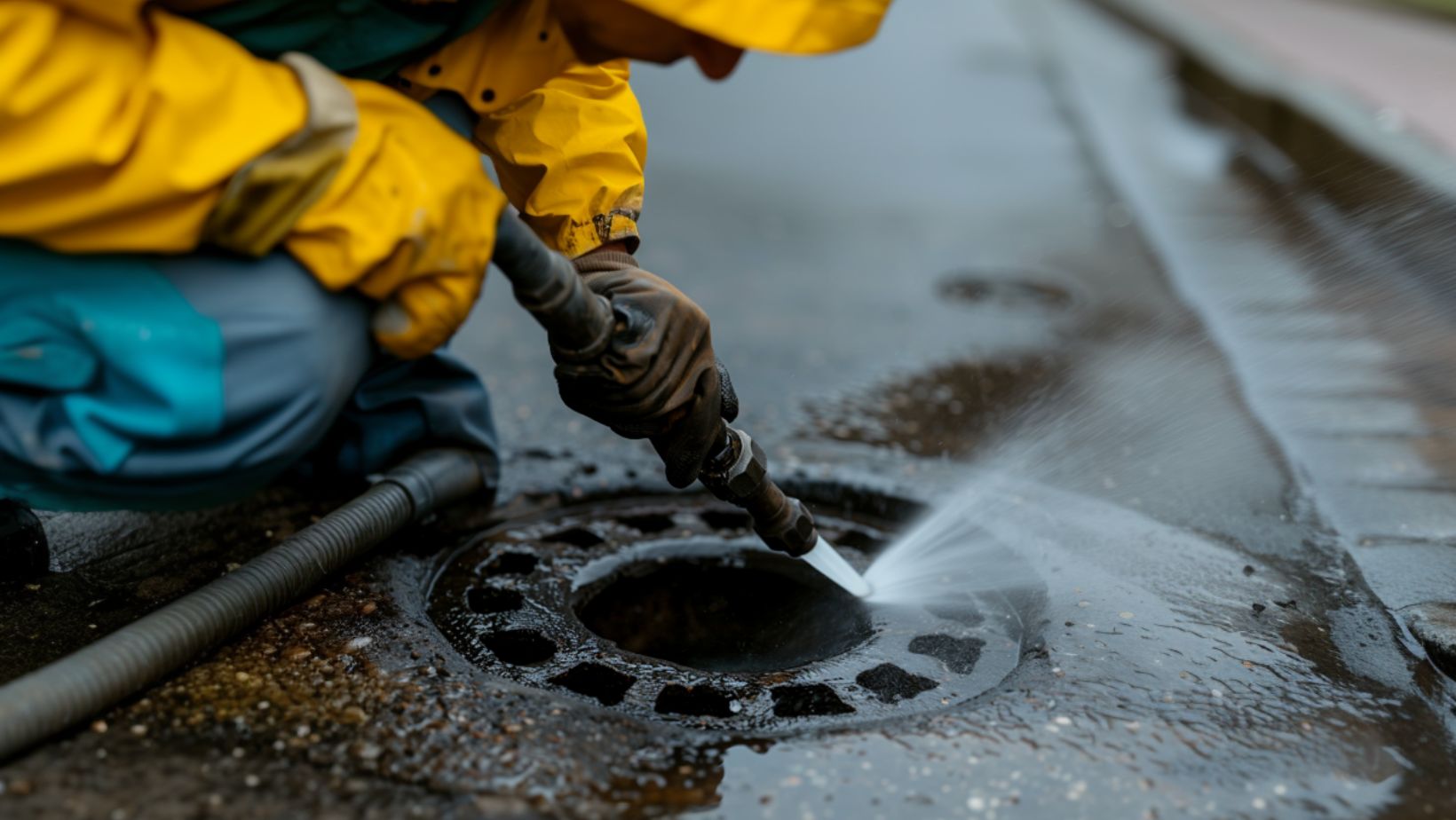
Basic drain cleaning can remove common blockages, but stubborn buildup may require more advanced equipment. Professional drain cleaning & hydro jettin services use specialized tools to clear debris and restore proper water flow. Hydro jetting is particularly useful for heavy grease, sludge, mineral deposits, and other material attached to the interior walls of pipes.
During hydro jetting, a powerful stream of water is directed through the pipe. The pressure breaks apart buildup and flushes the debris away. Unlike a basic drain snake, which may create a narrow opening through a blockage, hydro jetting can clean a larger portion of the pipe’s interior.
However, hydro jetting is not automatically the right choice for every plumbing system. Old, fragile, cracked, or severely damaged pipes may not tolerate high-pressure cleaning. A qualified plumber should inspect the system and determine whether hydro jetting, mechanical snaking, pipe repair, or another method is more appropriate.
Regular professional drain maintenance can also help businesses and homeowners reduce recurring blockages. It is especially useful for restaurants, commercial kitchens, older properties, and homes with a history of drainage problems.
When You Need an Emergency Plumbing Service
Not every plumbing problem requires immediate emergency assistance. A dripping faucet can often wait until a scheduled appointment, but certain situations should be treated as urgent.
A burst pipe, major water leak, overflowing toilet that cannot be stopped, sewage backup, or complete loss of water may cause significant damage if left unresolved. Water can spread quickly beneath flooring, inside walls, and around electrical systems. The longer it remains uncontrolled, the greater the risk of structural damage, mold growth, and expensive restoration.
An emergency plumbing service is designed to respond to urgent problems at any hour. While waiting for help, homeowners should take practical steps to limit damage. Locate the main water shut-off valve and turn it off if it is safe to do so. Move valuable items away from standing water, avoid using electrical equipment in wet areas, and keep children and pets away from contaminated wastewater.
If the emergency involves a suspected gas leak, do not attempt to repair the line or operate electrical switches. Leave the property and contact the gas utility or emergency services from a safe location.
Why Professional Experience Makes a Difference
Plumbing systems can be complicated, especially in older homes where previous repairs may have created unusual connections or hidden weaknesses. A professional does more than identify the visible problem. They look for the reason it happened and assess whether other parts of the system may be affected.
For example, a recurring toilet blockage could be caused by an obstruction near the fixture, but it might also indicate a damaged sewer line. Similarly, low water pressure could result from a clogged aerator, corroded piping, a failing pressure regulator, or a problem with the main supply.
Working with licensed & certified technicians gives homeowners greater confidence that repairs are being completed according to accepted safety standards and local requirements. Qualified technicians typically have training in plumbing codes, diagnostic methods, equipment use, and safe repair procedures.
Before hiring a plumbing company, ask whether the technicians are properly licensed, insured, and experienced with the type of work required. Specialized jobs, such as sewer repairs, gas line work, or water heater installation, should be handled by professionals with relevant experience rather than someone who only performs basic maintenance.
How to Prevent Recurring Plumbing Issues
Preventive maintenance doesn’t need to be complicated. A few simple habits can reduce the risk of major plumbing trouble.
Avoid pouring cooking grease, oil, or thick food waste down kitchen drains. Use strainers in sinks and showers to catch hair, food scraps, and other debris before they enter the pipes. Do not flush wipes, paper towels, hygiene products, or other materials that are not designed to break down in water.
It’s also useful to inspect exposed pipes regularly. Look for rust, moisture, corrosion, loose connections, or small puddles beneath fixtures. Check toilets for silent leaks by adding a few drops of food coloring to the tank and seeing whether the color appears in the bowl without flushing.
Homeowners should also know where the main water shut-off valve is located. In an emergency, finding it quickly can prevent a manageable leak from becoming a major disaster.
For older homes, periodic professional inspections may reveal hidden issues before they become expensive. A plumber can assess water pressure, drainage performance, pipe condition, and other important components of the system.
Choosing a Plumbing Company You Can Trust
When comparing plumbing companies, price should not be the only consideration. A very low estimate may leave out important work, use poor-quality materials, or fail to include follow-up support.
Look for a company that provides clear written estimates, explains repair options, responds promptly, and communicates honestly about possible complications. Reviews can be helpful, but personal recommendations and direct conversations can also reveal a great deal about a company’s reliability.
Ask whether the company offers warranties on labor and parts. Find out how emergency calls are handled and whether additional fees apply outside normal business hours. A professional plumber should also respect your home, protect work areas, and clean up after completing the job.
Final Thoughts
Plumbing problems are inconvenient, but they become much easier to manage when homeowners understand the warning signs and act before small issues grow. Regular drain care, responsible household habits, and timely inspections can help protect the entire plumbing system.
When a blockage is persistent, a pipe fails, or water begins spreading where it shouldn’t, professional help is often the safest and most cost-effective choice. Experienced plumbers have the tools and knowledge to identify the real cause of a problem and recommend a solution that fits the property.
A reliable plumbing system may not be something you notice every day. That’s actually a good thing. With proper care and the support of qualified professionals, your home can remain comfortable, functional, and protected from avoidable plumbing emergencies.