
Most homeowners don’t think about their heating and cooling system when everything is working normally. The temperature feels right, the vents are doing their job, and there’s no strange noise coming from the equipment. Life goes on.
Then the system stops working.
It’s amazing how quickly an ordinary HVAC problem can become a major inconvenience. A hot afternoon without air conditioning or a freezing morning without heat can make the whole house feel uncomfortable. And unfortunately, breakdowns don’t always happen when it’s convenient to call for help.
That’s why staying ahead of HVAC problems is worth the effort. A little preparation, regular attention, and timely service can make your system more dependable when you need it most.
Don’t Wait for a Complete Breakdown
One of the biggest mistakes homeowners make is waiting until their HVAC system completely stops working before doing anything about it.
If the system is making unusual noises, running longer than normal, producing weak airflow, or struggling to maintain the thermostat setting, those changes shouldn’t be ignored.
They don’t necessarily mean the equipment is about to fail. Sometimes the cause is something relatively simple, like a dirty filter or restricted airflow. But without checking, there’s no way to know.
Addressing small concerns early can sometimes prevent a much bigger repair later.
Regular Service Can Make Life Easier
HVAC equipment works hard, especially during extreme weather. Components experience normal wear, filters collect dust, and moving parts can gradually lose efficiency.
Regular professional maintenance gives a technician a chance to inspect the equipment before a minor issue turns into an emergency.
For homeowners, that can provide peace of mind. You know someone has looked over the system, potential problems have been identified, and the equipment is better prepared for the season ahead.
It isn’t a guarantee that nothing will ever go wrong. No maintenance plan can promise that. But prevention is usually easier—and less stressful—than reacting to a breakdown.
Prepare Before the Weather Gets Extreme
Timing matters when it comes to HVAC maintenance.
Having your cooling system inspected before summer and your heating system checked before winter gives you a chance to deal with problems before demand increases.
During periods of intense heat, air conditioners may operate for long stretches of the day. A system that’s already struggling can become even more stressed when temperatures remain high.
The same idea applies to heating equipment during freezing weather. A small weakness that wasn’t noticeable during mild conditions can become a serious problem when the system runs almost continuously.
Preparing early simply gives you more options.
Pay Attention to Changes in Airflow
Airflow is one of the easiest things homeowners can notice.
If air coming from the vents feels weaker than usual, certain rooms aren’t receiving enough conditioned air, or the system seems to run forever without reaching the desired temperature, something may need attention.
The cause could be a dirty filter, blocked vent, ductwork problem, blower issue, or another HVAC component.
Don’t immediately assume that the entire system needs replacement. Proper diagnosis matters. A professional can determine where the restriction is coming from and recommend the appropriate solution.
Sometimes a relatively small adjustment can make a noticeable difference.
Your Filter Deserves Regular Attention
The humble HVAC filter isn’t exciting, but it plays an important role.
A clogged filter can restrict airflow and make the equipment work harder than necessary. Over time, that extra strain can affect performance and potentially contribute to other problems.
How often a filter should be replaced depends on the filter type, household conditions, pets, occupancy, and manufacturer recommendations.
It’s a good habit to check the filter regularly rather than simply assuming it’s fine.
If it looks dirty, replace it according to the manufacturer’s instructions. It’s one of the simplest things you can do to support healthy airflow.
Keep Outdoor Equipment Clear
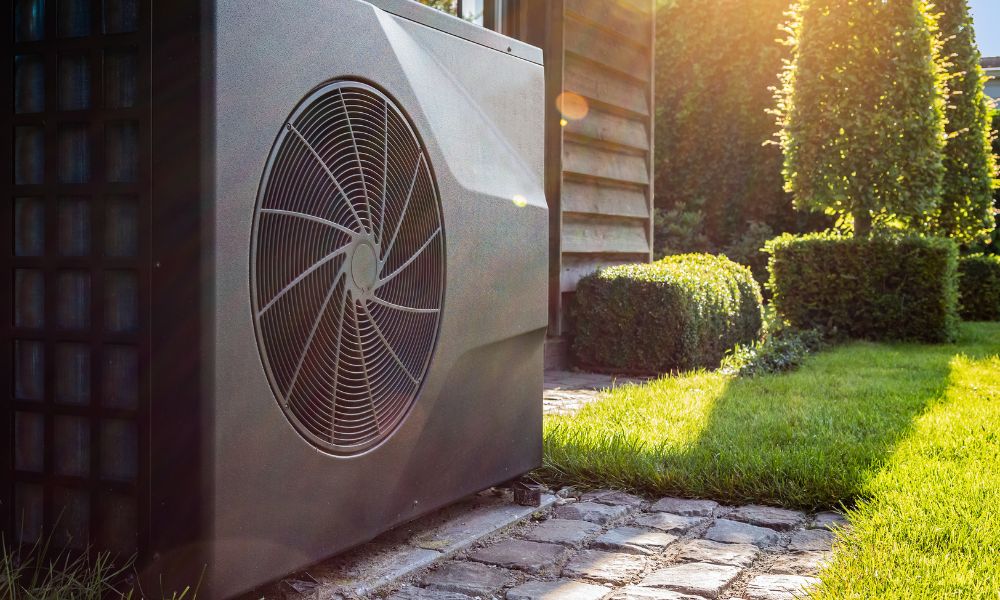
For homes with outdoor air conditioning equipment, the area surrounding the unit matters.
Leaves, grass, dirt, and other debris can collect around the condenser and interfere with airflow. Landscaping can also grow too close to the equipment over time.
Try to keep the area reasonably clear so air can move freely around the unit.
This doesn’t mean homeowners need to take apart the equipment or perform complicated cleaning themselves. Basic housekeeping around the unit is one thing; internal service should be left to a qualified professional.
Energy Bills Can Reveal a Problem
Your utility bill can sometimes tell you more than you realize.
Of course, energy use naturally increases when the weather becomes hotter or colder. But if your usage hasn’t changed much and costs suddenly rise, your HVAC system may be working harder than it should.
Dirty components, duct leaks, poor insulation, restricted airflow, aging equipment, or mechanical problems can all affect efficiency.
Before assuming you need a new system, have the equipment evaluated. Sometimes maintenance or repair is enough to improve performance.
Other times, replacement may make better financial sense. The important thing is knowing which situation you’re facing.
Know When Repair Isn’t Enough
Every HVAC system eventually reaches the end of its useful life.
If the equipment is old, requires frequent repairs, produces inconsistent temperatures, and costs increasingly more to operate, replacement may be worth considering.
A single repair doesn’t necessarily justify replacing the entire system. But repeated breakdowns can change the equation.
Look at the bigger picture. Consider repair costs, energy consumption, equipment age, reliability, and how long you expect to remain in the property.
Making a thoughtful decision is much easier when you aren’t dealing with an emergency.
Installation Quality Matters With New Equipment
If replacement becomes necessary, don’t focus only on the equipment’s brand or efficiency rating.
Installation quality has a major impact on performance.
A properly sized system should match the home’s actual cooling or heating requirements. Ductwork, electrical connections, drainage, airflow, and equipment placement all need to be handled correctly.
Even an excellent piece of equipment may struggle if it’s poorly installed.
Ask questions before the work begins, and make sure you understand what the installation includes.
Keep the System Operational Throughout the Year
An HVAC system shouldn’t only receive attention when something breaks. Filters, thermostats, vents, outdoor equipment, and other components all contribute to performance.
Professional inspections can also help keep the system operational when seasonal demand increases.
That matters because comfort isn’t something most people appreciate until it’s gone.
A comfortable home makes everyday life easier. You sleep better, work more comfortably, and don’t have to spend your evening worrying about whether the temperature will keep climbing or dropping.
A Little Planning Goes a Long Way
HVAC maintenance isn’t particularly exciting. Nobody wakes up thinking, “I can’t wait to schedule my seasonal system inspection.”
Still, it’s one of those household responsibilities that pays off quietly.
Pay attention to unusual sounds. Check your filters. Keep outdoor equipment clear. Schedule professional maintenance. Address small problems before they become emergencies, and start planning for replacement when your system is clearly reaching the end of its life.
You don’t need to become an HVAC expert to take good care of your equipment.
You simply need to notice when something changes and act before a small issue becomes a major headache. When the next heatwave arrives or winter temperatures suddenly drop, you’ll appreciate having a system that’s ready to handle it.
Good HVAC care isn’t really about avoiding every possible problem. It’s about being prepared, making sensible decisions, and keeping your home comfortable when the weather outside has other ideas.