Most people don’t give their plumbing much thought until something goes wrong. The shower suddenly turns cold, a faucet starts dripping in the middle of the night, or the kitchen sink takes forever to drain. It’s usually a small annoyance at first, but leave it alone for long enough and it can turn into a much bigger headache.
The good news is that looking after your home’s plumbing doesn’t have to be complicated. A little awareness, timely maintenance, and sensible improvements can help prevent common problems and make daily routines more comfortable. Whether you’re maintaining an older property or settling into a newly built home, understanding how your plumbing works can save time, money, and a fair amount of frustration.
Why Your Plumbing Deserves More Attention
Plumbing systems work quietly behind the scenes. Pipes carry water through the house, drains remove wastewater, and fixtures provide the access we rely on for cooking, bathing, cleaning, and laundry. Because most of these components are out of sight, it’s easy to overlook early warning signs.
A small leak beneath a bathroom vanity, for example, might not seem urgent if the cabinet looks dry. Yet moisture can collect in hidden corners, damage wood, and encourage mould growth. Similarly, a toilet that keeps running may waste water day after day without making much noise.
It’s worth paying attention to changes in water pressure, unusual sounds in the pipes, damp patches, and unexplained increases in your water bill. None of these signs automatically means there’s a serious problem, but they deserve a closer look. Catching an issue early is generally easier than dealing with the damage after it spreads.
Getting Hot Water When You Need It
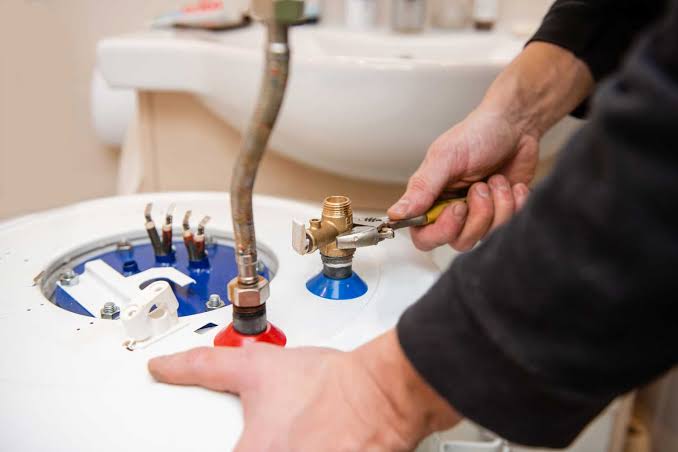
Few household inconveniences are as immediate as turning on the shower and discovering that the water isn’t getting warm. Sometimes the explanation is simple, such as a thermostat setting or a temporary supply issue. In other cases, the problem may involve sediment buildup, a worn component, or equipment that’s nearing the end of its useful life.
Modern water heaters come in several types, including traditional storage-tank models and tankless systems that heat water as it’s needed. Each option has its own advantages, and the right choice depends on household size, hot-water demand, available space, energy costs, and installation requirements.
A storage tank may suit a family that uses hot water at several points throughout the day, while a tankless model can provide hot water without keeping a large volume heated continuously. However, tankless systems still have limits on flow rate, so sizing matters. A unit that works well for one shower might struggle if multiple showers and appliances operate simultaneously.
Maintenance is important regardless of the model. Follow the manufacturer’s guidance for inspections and servicing, and have a qualified professional investigate unusual noises, leaks, inconsistent temperatures, or signs of corrosion. Gas and electrical components should never be handled casually. If equipment needs repair, safety should come before the temptation to save a little money with a quick DIY fix.
Don’t Ignore a Dripping Faucet or Loose Fixture
A dripping faucet may seem harmless, especially when the leak produces only a few drops at a time. But that steady sound can become surprisingly irritating, and the wasted water adds up. Loose handles, leaking showerheads, and worn seals can also make otherwise simple household tasks more difficult.
Sometimes the fix involves replacing a washer, cartridge, seal, or other small component. In other cases, corrosion or damage means the entire fixture needs attention. The important thing is to identify the cause rather than repeatedly tightening parts or applying sealant in the hope that the problem disappears.
Professional fixture repair & replacement can help restore proper operation when a fitting is leaking, damaged, outdated, or difficult to use. A plumber can assess whether repairing the existing component is practical or whether replacement would provide a more dependable result.
Homeowners should also watch for water collecting around the base of a faucet, beneath a sink, or near a shower enclosure. The visible drip isn’t always the only concern. Water can travel along surfaces and enter cabinets or flooring before the full extent of the leak becomes obvious.
When an Upgrade Is More Than a Cosmetic Change
Not every plumbing improvement begins with a problem. Sometimes a fixture works perfectly well but no longer suits the household. A bathroom may need a more accessible shower, a kitchen might benefit from a deeper sink, or an older faucet may use more water than a modern alternative.
Thoughtful fixture upgrades can improve convenience, appearance, and, in some cases, water efficiency. Low-flow showerheads and faucets, for example, can help reduce water use when selected for suitable pressure and performance. Lever-style handles may be easier for some people to operate than traditional knobs, while a better-positioned shower control can make daily use more comfortable.
Still, choosing a fixture involves more than finding something attractive online. Check the dimensions, connection type, required water pressure, and compatibility with the existing plumbing. A new sink may require different fittings, and a different shower arrangement could involve changes behind the wall. These details can affect installation costs considerably.
It’s also wise to think about long-term maintenance. A fixture with readily available replacement parts may be easier to keep working than one that relies on unusual components. Ask about warranties and cleaning requirements before making a purchase. A beautiful finish is lovely, but not if it becomes difficult to maintain after a few months.
Keep Drains Moving Without Damaging Your Pipes
Slow drains are another common source of household frustration. Hair, soap residue, food particles, and grease can gradually collect inside pipes and restrict the flow of wastewater. In many cases, a removable drain cover and routine cleaning can help prevent buildup.
The kitchen deserves particular attention. Cooking grease may look harmless while it’s warm, but it can cool and cling to pipe walls. Pouring it down the sink can contribute to stubborn blockages over time. Let grease cool and dispose of it appropriately instead.
Be careful with chemical drain cleaners, too. Some products can damage certain plumbing materials or create safety hazards when mixed with other cleaners. If a drain repeatedly blocks, several fixtures begin draining slowly, or wastewater backs up, the issue may extend beyond a single sink. A qualified plumber can determine whether the problem involves a local blockage or the larger drainage system.
Build a Simple Maintenance Routine
You don’t need an elaborate checklist to keep your plumbing in reasonable condition. Every few weeks, take a quick look beneath sinks, around toilets, and near exposed pipes. Check for moisture, rust, loose connections, or unusual smells. Make sure shut-off valves are accessible, and learn where the main water shut-off is located before an emergency occurs.
Periodically inspect flexible hoses connected to washing machines and other appliances. Replace damaged hoses promptly and follow the appliance manufacturer’s recommendations. If your property has older pipes or a history of leaks, ask a plumber whether a more detailed inspection would be worthwhile.
Keeping records also helps. Note when a fixture was installed, when the water heater was serviced, and when recurring problems appeared. These details can make it easier to identify patterns and plan repairs before they become urgent.
Make Practical Choices for a More Reliable Home
Good plumbing maintenance is less about doing everything at once and more about noticing small changes before they grow into expensive problems. A timely repair, a properly selected replacement, or a carefully planned upgrade can make a real difference to daily comfort.
Take time to understand what your home needs, compare options, and ask questions before approving major work. When a problem involves hidden leaks, gas connections, electrical components, or significant pipe damage, bring in a qualified professional rather than taking unnecessary risks.
Your plumbing may not be the most visible part of your home, but it supports countless everyday moments. Looking after it thoughtfully helps keep those routines running smoothly—and gives you one less thing to worry about when life gets busy.