
Water is one of those things we tend to take for granted. You turn on the kitchen tap, fill a glass, and get on with your day. Then, one morning, the water tastes different. Perhaps the showerhead has developed a layer of white scale, or the kettle needs cleaning far more often than it used to. These little things can be easy to ignore, but they often raise a reasonable question: is there something about the water that needs attention?
The answer isn’t always a new filter or an expensive treatment system. Sometimes, a closer look at the water itself is all you need to make a sensible decision. Understanding the source, identifying the actual concern, and getting advice that fits your household can save money and prevent a lot of unnecessary guesswork.
Start by Paying Attention to the Signs
Water quality can vary considerably between homes, even within the same neighbourhood. The source of the supply, local geology, plumbing materials, and existing treatment processes all play a part. One household may experience hard water, while another may notice a chlorine taste or reddish stains around sinks and bathtubs.
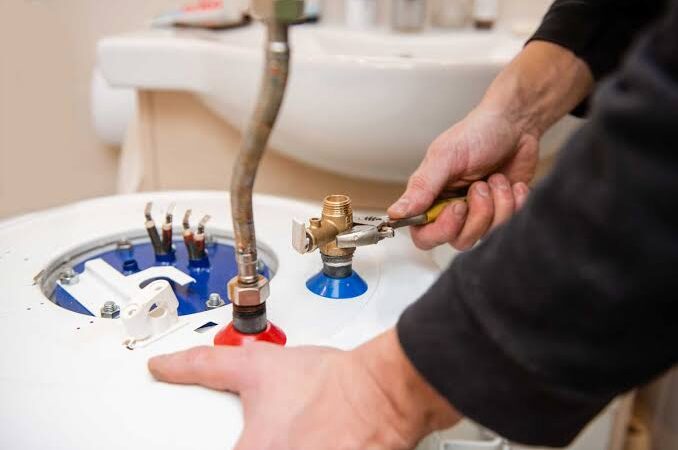
Hard water is especially common in many areas. It contains elevated levels of minerals such as calcium and magnesium, which can leave deposits on faucets, shower screens, and appliances. Over time, scale may build up inside water heaters and other equipment. You might also find that soap doesn’t lather as easily or that freshly washed glassware has cloudy spots.
Other concerns aren’t quite so obvious. Water can look clear and still contain substances that cannot be identified through sight or smell alone. That’s why household clues are useful starting points, not a complete assessment of water safety.
If you notice a sudden change in colour, taste, smell, or pressure, investigate the cause rather than immediately purchasing equipment. Your water provider or a qualified professional may be able to help determine the next step.
Why Testing Is Worth the Effort
It’s tempting to choose a filter based on an online review or a recommendation from a friend. After all, if it worked for someone else, why wouldn’t it work for you? The problem is that different water supplies have different characteristics. A system designed to reduce hardness may do very little for a particular chemical contaminant, while a taste-improving filter may not address a microbiological concern.
A suitable test provides a clearer starting point. Municipal water customers can review their supplier’s latest water-quality report, while private well owners should follow local guidance about regular testing and potential risks. Depending on the source, testing may examine hardness, pH, iron, nitrates, bacteria, or other relevant substances.
Some providers offer free professional water testing as an introductory service. This can be helpful, provided you understand what the test actually measures. Ask whether the results are based on laboratory analysis or an in-home screening, which substances are included, and whether you’ll receive a written report.
A basic demonstration may reveal information about hardness or dissolved solids, but it cannot establish whether water is free from every contaminant. If you’re concerned about lead, bacteria, nitrates, or another health-related issue, use an appropriate testing method and consider a certified laboratory.
The goal is to replace assumptions with useful information. Once you understand the results, you can compare treatment options with greater confidence.
Finding Advice That Fits Your Household
Water treatment can become confusing when every product seems to promise a different benefit. One company might recommend a whole-house filter, another might suggest reverse osmosis, and a third may focus on a softener. Without understanding the original problem, it’s difficult to know which recommendation makes sense.
Good advice begins with a conversation about your water source, household needs, and test results. A professional should explain what the proposed system is designed to reduce, how its performance is verified, and what limitations you should understand before buying it.
This is where customized recommendations can make the decision easier. A household dealing mainly with mineral deposits may benefit from a properly sized softener, while someone concerned about the taste of drinking water may need a point-of-use carbon filter. If testing identifies particular dissolved substances, a certified reverse osmosis system might be appropriate.
The important point is that the recommendation should follow the evidence, not the other way around. Ask why a particular technology is being suggested and whether a simpler option could address the same concern. A trustworthy provider should be comfortable answering those questions without making you feel rushed.
Understanding the Main Treatment Options
Different technologies serve different purposes, and a little knowledge can make product comparisons less intimidating.
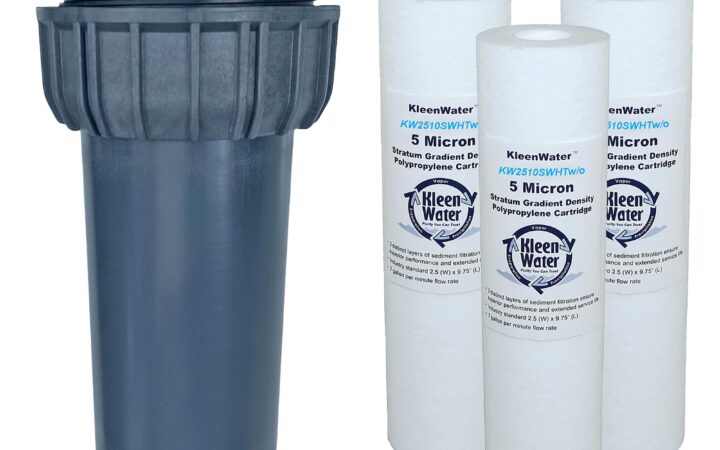
Sediment filters are designed to capture suspended particles such as sand or rust. Activated carbon can reduce certain tastes, odours, and selected compounds, depending on the filter’s design and certification. Water softeners primarily address hardness minerals, helping limit scale and improve soap performance.
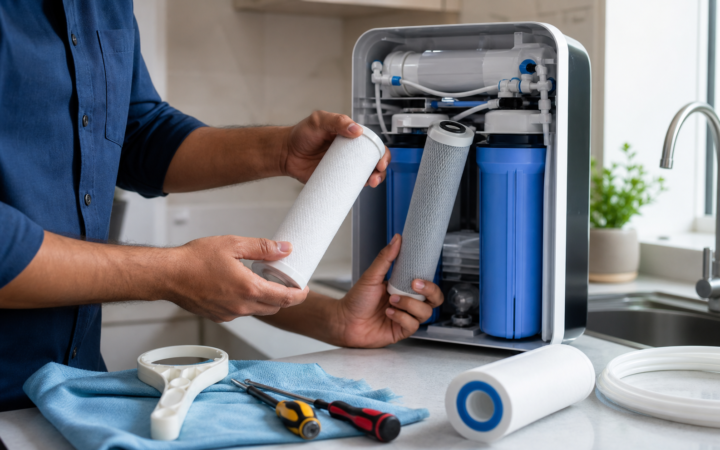
Reverse osmosis systems use a semipermeable membrane to reduce many dissolved substances in drinking water. Their effectiveness depends on the particular model and the contaminants being targeted. These systems require regular filter and membrane replacement, and conventional designs send some water to the drain during production.
No single system removes everything. Even advanced equipment has limitations, so check independent performance certifications and manufacturer documentation before making a purchase. If testing identifies a health-related concern, follow the recommendations of the relevant health authority or water-quality professional.
Don’t Forget Everyday Convenience
Water quality isn’t the only thing worth considering. How easily your household can access drinking water matters, too. Families may want a convenient way to fill bottles, prepare meals, or provide chilled water during warmer months. Offices and shared spaces often have similar needs, just on a larger scale.
For these situations, residential water treatment can include equipment selected to improve water for drinking, cooking, bathing, or general household use. The right arrangement might involve a filter beneath the kitchen sink, a whole-house system, a softener, or a combination of technologies chosen for specific reasons.
Think about how much water your household uses and where treatment would be most useful. A small drinking-water filter may be sufficient if taste is the main concern. If hard water affects several bathrooms and appliances, treatment at the point where water enters the home may deserve consideration.
Practical details matter as well. Check available installation space, expected flow rate, replacement-part costs, and maintenance requirements. A system that is difficult to service may become frustrating over time, even if it initially looks appealing.
Maintenance Is Part of the Decision
Installing equipment is only the beginning. Filters have a limited service life, softeners require routine attention, and some systems need periodic cleaning or performance checks. Neglecting maintenance can reduce effectiveness and may create additional problems.
Keep a simple record of installation dates, filter changes, and service visits. Follow the manufacturer’s instructions, and investigate unexpected changes in taste, smell, or water pressure. If the water source changes or a new concern appears, further testing may be necessary.
These habits don’t take much effort, but they help you understand whether your system continues to perform as intended.
Make a Choice With Confidence
Better water starts with reliable information, not the most expensive product on the market. Pay attention to recurring problems, test the water when appropriate, and compare treatment options based on verified performance and realistic long-term costs.
Take your time, ask questions, and make sure you understand what a recommended system can—and cannot—do. The right solution should address your household’s actual needs without adding unnecessary expense or complexity.
Water is part of nearly everything we do at home. With a thoughtful approach to testing, treatment, and maintenance, looking after its quality can become a manageable task rather than another source of uncertainty.