Most homeowners don’t spend much time thinking about their water treatment system. If the water tastes fine, the shower pressure feels normal, and there aren’t any strange marks around the taps, it’s easy to assume everything is working as it should. Then one morning, the water starts smelling odd, a filter light begins flashing, or the softener stops doing its job. Suddenly, that forgotten piece of equipment becomes a priority.
The truth is that water treatment systems need a little attention to keep performing properly. Filters gradually collect particles, moving parts can wear down, and settings may need adjusting as household needs change. These aren’t necessarily signs of a major problem. Often, a straightforward inspection or a timely replacement is enough to get things back on track.
Knowing what to look for, when to call a professional, and how to prevent avoidable breakdowns can save both money and frustration.
Why Routine Water System Maintenance Is Worth It
A water treatment system works quietly in the background, but that doesn’t mean its components last forever. Depending on the equipment, it may use cartridges, membranes, valves, resin media, pumps, or electronic controls. Each part has a particular job, and a problem with one component can affect the system’s overall performance.
For example, a clogged sediment filter can restrict water flow. A worn seal may cause a small leak that goes unnoticed for weeks. A water softener with incorrect settings might use more salt than necessary or fail to reduce hardness as expected.
Regular maintenance helps catch these issues before they become bigger inconveniences. It also provides an opportunity to check whether the system still matches your water quality needs. Perhaps your household has grown, water consumption has increased, or recent testing has revealed a concern that the original equipment wasn’t designed to address.
A sensible maintenance routine doesn’t need to be complicated. Follow the manufacturer’s recommendations, keep track of service dates, and pay attention to changes in taste, odor, pressure, or visible staining. Small observations often provide useful clues.
Don’t Wait Too Long to Replace a Filter
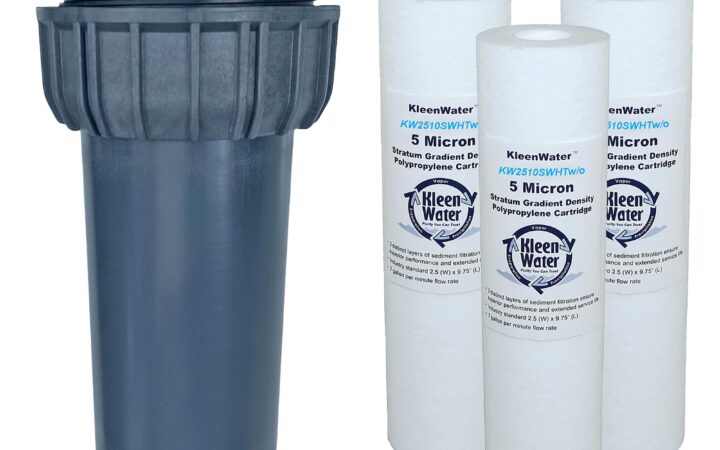
Filters are among the most frequently serviced parts of residential water treatment systems. They capture sediment, reduce certain chemicals, improve taste, or perform other tasks depending on their design. Over time, however, their capacity becomes limited.
A sediment cartridge may become clogged with particles, while activated carbon gradually loses its ability to reduce the substances it’s designed to target. Reverse osmosis membranes also require replacement when their performance declines or the manufacturer’s recommended service interval is reached.
A timely filter replacement helps maintain the system’s intended performance. Waiting until the water tastes unpleasant isn’t a reliable strategy because some contaminants have no obvious smell, color, or taste. In other words, water that seems normal isn’t necessarily proof that a filter is still working effectively.
Check your owner’s manual for the recommended replacement schedule. Actual timing may vary depending on water quality and how much water your household uses. Some systems provide indicator lights or digital alerts, but these features don’t always measure the filter’s condition directly. They may simply track elapsed time or estimated usage.
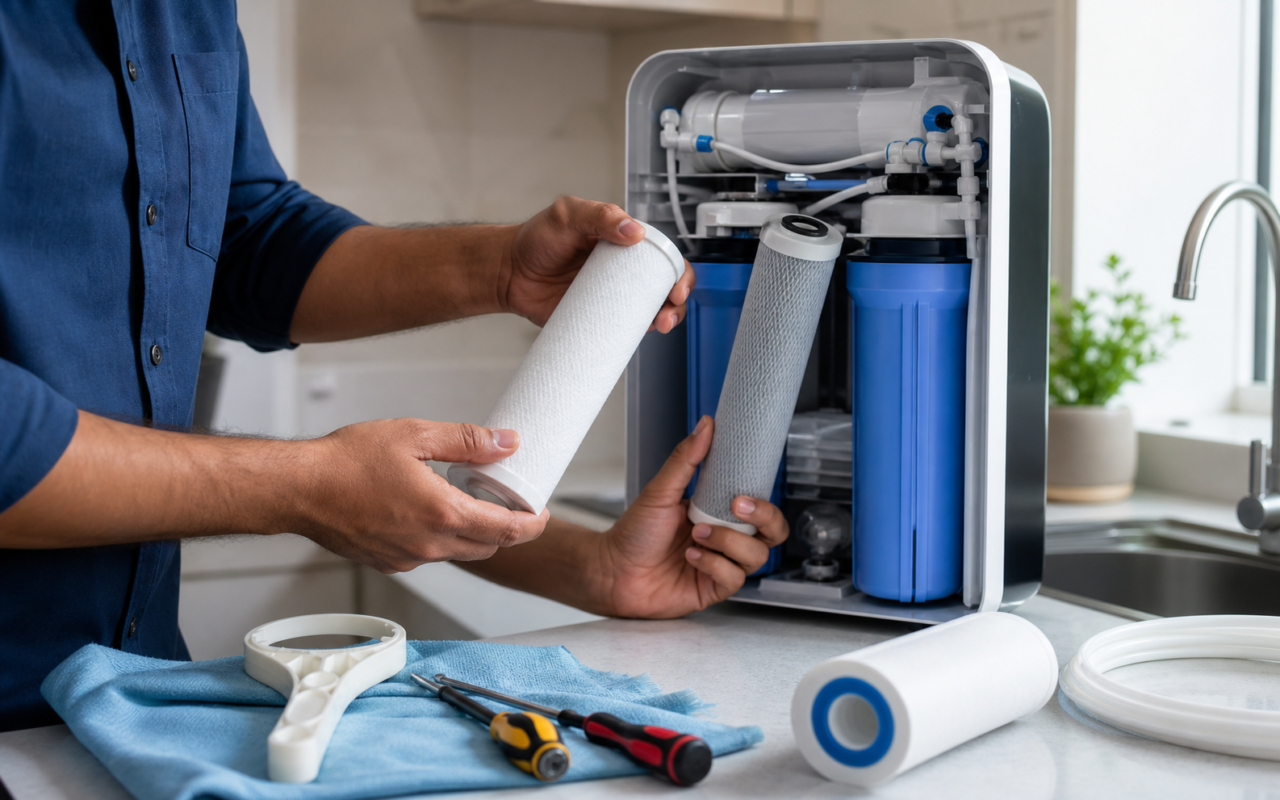
It’s also important to choose compatible replacement parts. A cartridge that fits physically may not offer the same contaminant-reduction performance as the original. Check model numbers and relevant certifications before buying.
After installation, follow the manufacturer’s instructions for flushing the system and checking connections. It’s a small detail, but it can make a real difference.
What Happens During a Professional Tune-Up?
Even when a system appears to be working normally, an occasional professional inspection can be worthwhile. Think of it as checking your car before a long journey. You might not notice anything wrong during everyday use, but that doesn’t mean every component is in perfect condition.
A water treatment tune-up can involve checking valves, inspecting hoses and fittings, reviewing system settings, and looking for signs of wear or leakage. Depending on the equipment, a technician may also examine the regeneration cycle of a water softener, assess water pressure, or check whether the unit is operating according to its specifications.
Some systems benefit from performance testing as part of routine service. For instance, a softener’s output can be checked for hardness, while a filtration system may need more specific testing based on its intended purpose. These checks help distinguish between a minor maintenance issue and a problem with the incoming water supply.
Before booking a visit, ask what the service includes and whether replacement parts or laboratory testing cost extra. A reputable technician should explain any recommended work in plain language rather than pushing an expensive upgrade without a clear reason.
Keep records of previous inspections, repairs, and filter changes, too. This simple habit gives future technicians a useful history of the equipment and helps you recognize recurring problems.
Recognizing Problems That Need Prompt Attention
Not every water system issue can wait until the next scheduled service. A sudden leak, a complete loss of treated water, or a sharp change in water quality may require immediate investigation.
If water is leaking near electrical equipment, avoid touching wet components and shut off the relevant supply only if it is safe to do so. Follow the manufacturer’s emergency instructions and contact a qualified professional. A small leak can cause significant property damage if it continues unnoticed.
An urgent repair may also be necessary when a system stops operating correctly and the problem affects essential household water use. Repeated error messages, unusual mechanical noises, or a sudden drop in pressure deserve attention, particularly when basic troubleshooting doesn’t resolve the issue.
Water quality changes should be treated carefully. A sudden chemical smell, unusual discoloration, or suspected contamination shouldn’t automatically be blamed on a faulty filter. Check for local water advisories and contact your water supplier or a qualified water professional. If the water may be unsafe to drink, use an appropriate alternative source until you receive reliable guidance.
Remember that boiling isn’t a universal solution. It can help control many disease-causing microorganisms, but it won’t remove every chemical contaminant and may concentrate certain dissolved substances. The correct response depends on the suspected problem.
Simple Habits That Help Prevent Breakdowns
You don’t have to be a technician to look after your water equipment. A few basic habits can help you spot trouble early.
First, make a note of when filters and other consumable parts were last changed. A calendar reminder is often enough. Next, take a quick look around the unit every few weeks. Check for damp patches, loose connections, unusual deposits, or warning lights.
If you use a salt-based water softener, check the salt level according to the manufacturer’s instructions. Keep the surrounding area clean and make sure the equipment has enough ventilation and access for servicing.
Avoid changing complicated settings just because the system seems slow. Incorrect adjustments can waste water, affect treatment performance, or make troubleshooting harder. When in doubt, consult the manual or ask the installer.
Finally, arrange water testing when appropriate, especially if you’re using a private well or notice a persistent change in water quality. Maintenance keeps equipment in working order, but it can’t guarantee that the incoming water is free from every possible contaminant.
A Little Attention Today Can Prevent Bigger Problems Tomorrow
Water treatment equipment is easy to forget when everything works properly. Still, a filter that has reached the end of its service life or a small leak behind the unit can turn into an avoidable headache.
The best approach is straightforward: follow the recommended maintenance schedule, replace components when necessary, and get professional help when symptoms persist or safety may be involved. Don’t wait for every issue to become an emergency, but don’t assume every unusual change requires a completely new system, either.
With sensible care and reliable advice, your water treatment system can continue supporting your household without unnecessary expense or disruption. And perhaps that’s the real benefit of maintenance: you get to spend less time worrying about the equipment and more time simply enjoying the water you use every day.