Blog

  • Where is the Baseline in Basketball: Exploring Its Significance on the Court

    Basketball, a dynamic and captivating sport, is known for its unique court layout and rules that set it apart from other team games. One of the fundamental elements that shape the game is the “baseline.” The baseline, often referred to as the “endline,” plays a crucial role in defining the court’s dimensions and influencing the strategies employed by teams during play. In this article, we will delve into the significance of the baseline in basketball, its role in gameplay, and how players and teams utilize it to their advantage.

    Understanding the Baseline in Basketball

    The baseline in basketball is the boundary that defines the outer edge of the court. It runs parallel to the half-court line, stretching from one sideline to the other. This boundary not only determines the court’s dimensions but also affects player movement, offensive and defensive strategies, and various plays executed during a game.

    The Dimensions and Boundaries of the Court

    A standard basketball court is 94 feet in length and 50 feet in width. The baseline is a fundamental component that helps establish these dimensions. It plays a vital role in determining whether a player is in-bounds or out-of-bounds, thus contributing to the decisions made by referees during gameplay.

    Strategic Importance of the Baseline

    Creating Space and Scoring Opportunities

    The baseline is a critical area for offensive players to exploit. When a player drives along the baseline, they can create additional space for themselves and their teammates. This can lead to various scoring opportunities, such as layups, dunks, and corner three-point shots.

    Defensive Strategies and Trapping

    Defensively, the baseline can be used strategically to trap opponents. When an offensive player is cornered along the baseline, defenders can effectively limit their passing options and increase the likelihood of forcing a turnover. This defensive technique is commonly employed to disrupt the flow of the opposing team’s offense.

    Inbound Plays and the Baseline

    Inbound plays, which occur when the ball is passed into play from out-of-bounds, often leverage the baseline. Players use screens and quick passes near the baseline to create open shots for their teammates. These plays require precise timing and execution to catch the defense off guard.

    Out-of-Bounds and Baseline Plays

    The baseline is also integral to executing plays when the ball goes out-of-bounds. Players can perform intricate maneuvers, such as baseline cuts and baseline screens, to confuse defenders and create open scoring opportunities for their team.

    The Evolution of Baseline Techniques

    Over the years, basketball has witnessed the evolution of baseline techniques. Players have mastered the art of using the baseline to their advantage, incorporating spins, crossovers, and reverse layups to outmaneuver defenders.

    Famous Moments Involving the Baseline

    Some of the most iconic moments in basketball history have taken place along the baseline. From last-second buzzer-beaters to acrobatic dunks, the baseline has been witness to breathtaking plays that have left fans in awe.

    Coaching and Baseline Strategy

    Coaches play a pivotal role in developing baseline strategies for their teams. They analyze opponent tendencies, devise inbound and out-of-bounds plays, and teach players how to effectively utilize the baseline to gain a competitive edge.

    Challenges and Limitations of the Baseline

    While the baseline offers numerous advantages, it also presents challenges. Players must avoid stepping out-of-bounds while driving along the baseline, and defenders must maintain awareness to prevent opponents from exploiting this boundary.

    The Baseline’s Role in Shot Blocking

    The baseline is a prime location for shot-blocking opportunities. Defenders can time their jumps to reject shots taken near the basket, leading to impressive defensive displays that energize the crowd and motivate their team.

    Utilizing the Baseline in Fast Breaks

    Fast breaks, characterized by quick transitions from defense to offense, often involve players sprinting along the baseline. This rapid movement can catch opponents off guard and lead to easy scoring opportunities.

    Defensive Maneuvers along the Baseline

    Defensive players use the baseline as an ally when guarding opponents. By positioning themselves correctly along the baseline, defenders can limit driving lanes and force offensive players to make difficult decisions.

    Maintaining Court Awareness Near the Baseline

    Baseline awareness is crucial for both offensive and defensive players. Maintaining a solid understanding of one’s position relative to the baseline can determine the success of plays, shots, and defensive stops.

    Mastering the Corner Three-Pointer

    The corner three-pointer, a high-value shot in basketball, often involves the baseline. Players adept at positioning themselves in the corner can capitalize on open three-point attempts, adding a valuable dimension to their team’s offense.

    The Baseline as a Game-Changer

    In the intricate world of basketball, the baseline stands as a fundamental boundary that holds immense strategic value. Its impact on player movement, offensive and defensive plays, and overall court dynamics cannot be overstated. The baseline is not just a line on the court; it’s a dynamic space where athleticism, strategy, and excitement converge to shape the outcome of the game.

  • Unlocking the Secrets of Indian Satta and Matka – Your Ultimate Guide

    Unlocking the Secrets of Indian Satta and Matka – Your Ultimate Guide

    Are you ready to delve into the thrilling world of Indian Satta and Matka? If you’re seeking excitement, entertainment, and the chance to win big, you’re in the right place. In this comprehensive guide, we’ll explore everything you need to know about indian satta, Matka, the final ank, and even the intriguing Matka 420.

    Indian Satta: A Fascinating Game of Chance

    Indian Satta is a renowned game of chance that has captured the hearts of millions. Originating in India, this game offers a unique blend of excitement and anticipation. It’s a game where fortunes can change in an instant, making it an exhilarating experience for players.

    Matka 420: Unraveling the Mystery

    Among the various forms of Matka, Matka 420 stands out as a true enigma. Players are drawn to the challenge it presents, as well as the potential rewards it offers. Let’s take a closer look at what Matka 420 is all about.

    The Final Ank: Decoding the Secret Numbers

    In the world of Indian Satta and Matka, the “Final Ank” holds a special place. It’s the key to unlocking the winning numbers and achieving success in these games. Understanding how the Final Ank works can significantly enhance your chances of winning.

    Getting Started with Indian Satta and Matka

    How to Play Indian Satta

    Playing Indian Satta is straightforward, and it all begins with selecting a set of numbers. You’ll choose from a range of numbers and place your bets. The game’s results are announced regularly, adding an element of excitement and suspense.

    The Thrill of Matka 420

    Matka 420 is known for its complexity, making it a favorite among seasoned players. To succeed in Matka 420, you’ll need a combination of strategy, luck, and skill. It’s a game that rewards the bold and the adventurous.

    Cracking the Code: The Final Ank

    If you’re serious about winning in indian matka, understanding the Final Ank is crucial. It involves calculating the results based on a set of numbers and formulas. It’s a skill that can be learned and mastered with practice.

    In the world of Indian Satta and Matka, excitement and anticipation reign supreme. With the knowledge of the Final Ank and the allure of Matka 420, you’re well-equipped to embark on your journey into this captivating realm of chance and strategy.

    So, are you ready to try your luck and test your skills in Indian Satta and Matka? Dive in and embrace the thrill of the game. Who knows? You might just uncover the secret to winning big!

    Remember, it’s not just about luck; it’s about strategy, calculation, and that exhilarating rush of anticipation that makes Indian Satta and Matka an unforgettable experience.

  • The Role of AI and Automation in Shaping the Future of Business

    The Role of AI and Automation in Shaping the Future of Business

    Artificial Intelligence (AI) and automation are transforming the way businesses operate, creating efficiencies, improving decision-making, and enabling innovation. From customer service chatbots to data analysis algorithms, AI-powered solutions are becoming integral to modern business strategies.

    AI’s ability to analyze large datasets and derive insights can revolutionize decision-making processes. Businesses can use AI-driven analytics to predict consumer behavior, identify market trends, and optimize supply chain operations. This data-driven approach enhances strategic planning and improves the overall competitiveness of a business.

    Automation, meanwhile, streamlines routine tasks and reduces human error. Repetitive processes like data entry, inventory management, and customer support can be automated, freeing up human resources to focus on tasks that require creativity, critical thinking, and interpersonal skills.

    However, the integration of AI and automation also brings challenges. The fear of job displacement due to automation is a valid concern, and businesses must navigate this transition with sensitivity and care. Companies should consider upskilling and reskilling their workforce to adapt to changing job requirements.

    Furthermore, ethical considerations surrounding AI and automation are paramount. Ensuring transparency, fairness, and accountability in AI algorithms is essential to prevent bias and discrimination. Additionally, maintaining data privacy and security is crucial, as AI systems often rely on vast amounts of sensitive information.

    In conclusion, the symbiotic relationship between technology and business is shaping our world in unprecedented ways. The topics of AI and automation present both opportunities and challenges for businesses. By embracing AI responsibly, investing in workforce development, and prioritizing ethical considerations, businesses can harness the power of technology to drive innovation and shape a more sustainable future

  • Balancing Risk and Reward: Strategies for Smart Business Investments

    Balancing Risk and Reward: Strategies for Smart Business Investments

    Investing is a cornerstone of business growth, but it’s not without risks. The key to successful business investments lies in understanding how to balance risk and reward effectively. Whether you’re a seasoned entrepreneur or just starting out, adopting smart investment strategies can help you navigate the complex landscape of business decisions.

    One of the fundamental principles of investment is diversification. Spreading investments across different assets or ventures helps mitigate risks associated with market fluctuations or industry-specific challenges. Diversification can encompass investing in various sectors, geographies, or even different types of assets, such as stocks, bonds, and real estate.

    Another strategy is conducting thorough due diligence before making any investment decisions. This involves researching and analyzing the potential investment, understanding its financial health, growth prospects, and competitive landscape. A well-informed decision is more likely to yield positive outcomes.

    Risk assessment is equally important. Different investments come with varying levels of risk, and understanding your risk tolerance is critical. High-risk ventures might offer substantial rewards, but they can also lead to significant losses. Conservative investments, on the other hand, offer stability but may not generate substantial returns. Assessing your risk appetite and aligning it with your investment goals is crucial.

    In today’s rapidly evolving business landscape, staying up-to-date with industry trends and emerging technologies is essential. Businesses that fail to adapt to changing market dynamics can quickly become obsolete. Investing in research and development, innovation, and workforce training can position your business for long-term success.

    Additionally, considering the impact of external factors such as economic conditions and regulatory changes is vital. Economic downturns can affect consumer behavior and purchasing power, which, in turn, can influence the success of your investments. Keeping a close watch on market trends and seeking expert advice when necessary can help you make informed decisions during uncertain times.

    In conclusion, the art of balancing risk and reward in business investments requires careful planning, research, and adaptability. By diversifying investments, conducting due diligence, and staying informed, businesses can navigate challenges and seize opportunities for growth.

  • Rise of Remote Work Tech: Adapting to Distributed Workforces

    Rise of Remote Work Tech: Adapting to Distributed Workforces

    The COVID-19 pandemic accelerated the adoption of remote work and highlighted the importance of technology in maintaining business operations. Remote work tech encompasses a wide range of tools and platforms designed to facilitate communication, collaboration, and productivity among distributed teams.

    Video conferencing platforms like Zoom and Microsoft Teams have become essential for virtual meetings, while project management tools like Trello and Asana help teams coordinate tasks and track progress. Cloud storage and file-sharing services ensure seamless access to documents and resources from anywhere.

    Effective remote work tech goes beyond software; it also involves establishing clear communication norms and maintaining a sense of connection among team members. Employers must prioritize employee well-being and provide the necessary resources to create a productive and comfortable remote work environment.

    In conclusion, the rise of remote work tech has reshaped the way businesses operate and collaborate. The integration of virtual communication and collaboration tools has become vital for maintaining productivity and cohesion within distributed workforces.

  • Cryptocurrencies and Beyond: Understanding Digital Financial Systems

    Cryptocurrencies and Beyond: Understanding Digital Financial Systems

    The rise of cryptocurrencies, led by Bitcoin, has disrupted traditional financial systems and ignited conversations about the future of money. Cryptocurrencies are digital assets that utilize cryptography for secure transactions and operate independently of centralized authorities like banks or governments.

    The technology underlying cryptocurrencies, known as blockchain, has implications beyond finance. Blockchain’s decentralized and tamper-resistant nature makes it useful for applications like supply chain management, digital identity verification, and even voting systems.

    While cryptocurrencies offer benefits such as borderless transactions and financial inclusion for the unbanked, they also pose challenges. Price volatility, regulatory uncertainty, and concerns about illegal activities in the crypto space require careful consideration. Understanding the complexities of cryptocurrencies and their potential for reshaping various industries is crucial for informed discussions about their future.

  • Artificial Intelligence Integration in Software: Practical Use Cases

    Artificial Intelligence Integration in Software: Practical Use Cases

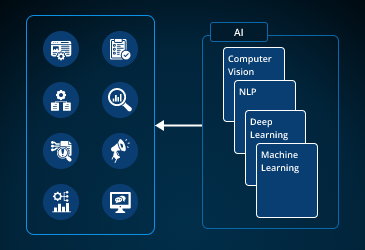
    Artificial Intelligence (AI) has transformed from a futuristic concept to a fundamental component of modern software applications. Its ability to analyze vast amounts of data, recognize patterns, and make informed decisions has opened the door to countless practical use cases across industries.

    In healthcare, AI-powered diagnostic tools enhance medical image analysis, enabling earlier and more accurate disease detection. Customer service has been revolutionized through AI chatbots that provide instant support and streamline interactions. In finance, AI algorithms predict market trends and manage investment portfolios with unparalleled precision.

    However, the integration of AI also raises ethical and societal concerns. Ensuring AI is used responsibly and transparently is essential to prevent biases and unintended negative outcomes. Striking a balance between automation and human oversight is crucial in maintaining ethical AI applications.

    In conclusion, AI integration in software offers a realm of possibilities and benefits across various sectors. Responsible development and deployment of AI technologies can lead to improved efficiency, accuracy, and innovation while upholding ethical standards.

  • The Ethics of Software Development: Balancing Innovation and Responsibility

    The Ethics of Software Development: Balancing Innovation and Responsibility

    As software continues to shape every aspect of modern life, ethical considerations in software development have become paramount. Developers wield significant power in influencing behaviors, values, and even social structures through the products they create. Balancing innovation with responsibility requires careful thought and consideration of potential impacts.

    Issues such as data privacy, algorithmic bias, and the unintended consequences of technology must be addressed proactively. Developers should prioritize designing inclusive and accessible software that caters to a diverse range of users. Moreover, open-source development and collaboration can lead to more transparent and ethically sound software solutions.

    Creating ethical software involves ongoing learning and adaptation. It requires staying updated on industry trends, regulations, and emerging ethical frameworks. By considering the long-term effects of their work, software developers can contribute to a more equitable and responsible digital landscape.

  • Digital Organization: Tools and Tips for Managing Your Online Life

    Digital Organization: Tools and Tips for Managing Your Online Life

    In the digital age, staying organized online is just as important as managing physical spaces. The influx of information, communication channels, and digital tasks can quickly lead to clutter and inefficiency. Fortunately, a plethora of tools and strategies are available to help individuals regain control of their digital lives.

    From task management apps to cloud storage solutions, the key is finding tools that suit your workflow and preferences. Creating a centralized system for notes, documents, and to-do lists can streamline productivity. Additionally, practicing digital decluttering by regularly archiving or deleting unnecessary files and emails can prevent overwhelm.

    Establishing healthy digital habits is equally vital. Setting designated times for checking emails and social media prevents constant interruptions and promotes focused work. Moreover, taking regular digital detoxes—periods where you disconnect from screens—can improve mental clarity and reduce digital fatigue.

    In conclusion, effective digital organization is crucial for maintaining productivity and mental well-being in the modern world. By adopting the right tools and habits, individuals can navigate the digital landscape with ease and achieve a harmonious balance between their online and offline lives.

  • The Joys of Pet Ownership: Building Bonds and Fostering Responsibility

    The Joys of Pet Ownership: Building Bonds and Fostering Responsibility

    The companionship between humans and animals dates back millennia, and the joys of pet ownership continue to enrich lives in the modern world. Beyond the obvious perks of having a furry friend to cuddle with, pet ownership offers profound emotional, psychological, and even physical benefits.

    Pets provide unwavering companionship, reducing feelings of loneliness and promoting emotional well-being. The bond between a pet and its owner is rooted in loyalty, trust, and unconditional love, which can have a positive impact on mental health. Moreover, caring for a pet fosters a sense of responsibility and routine, as they require feeding, exercise, and regular veterinary care.

    Different types of pets offer various benefits. Dogs encourage outdoor activity and social interactions, while cats provide soothing companionship and low-maintenance care. Exotic pets like birds and reptiles offer unique experiences that can broaden one’s perspective on nature.

    In conclusion, the joys of pet ownership are vast and multi-faceted. From emotional support to companionship and personal growth, pets have a remarkable impact on the lives of their owners. The responsibilities and rewards of caring for a pet create a deep and lasting bond that enriches both human and animal lives.