Category: Home services

  • How to Protect Your Home From Water Problems Before They Become Expensive

    How to Protect Your Home From Water Problems Before They Become Expensive

    Water is something we use constantly, yet most homeowners rarely think about its quality until a problem becomes impossible to ignore. Maybe the shower leaves your skin feeling unusually dry. Perhaps the kettle develops a chalky layer, or the water from the kitchen tap suddenly tastes strange. These signs can seem minor at first, but they may point to deeper issues within the home’s water supply.

    The good news is that many water-related problems can be identified and managed with the right information. A home doesn’t necessarily need an expensive collection of filters and treatment equipment. What it needs is a practical plan based on the water source, household usage, and the specific problems being experienced. Understanding those details can make water care more affordable, efficient, and effective.

    Start by Understanding Your Water Quality

    Every home receives water from a particular source, and that source has a major influence on quality. Municipal water systems are generally treated before reaching households, while private wells depend on local groundwater conditions. Water quality can also vary between neighborhoods, seasons, and even individual properties.

    Some common concerns include hardness, sediment, chlorine, iron, bacteria, and certain naturally occurring or industrial contaminants. Not every issue is visible. Water may look perfectly clear while containing substances that require testing to detect.

    Homeowners should pay attention to changes in taste, odor, color, or pressure, but these observations should be treated as clues rather than proof. A metallic taste, for example, might be related to plumbing materials, dissolved minerals, or another cause. Testing through a certified laboratory can provide a clearer picture of what is actually present.

    Choosing Home Water Treatment Solutions Wisely

    The phrase home water treatment solutions covers a wide range of equipment, and choosing the right option requires more than buying the most popular product. Different systems are designed for different purposes.

    A sediment filter can reduce dirt, sand, and rust particles. Carbon filtration may help improve taste and odor while reducing certain chemicals. Water softeners are mainly used to manage hardness caused by minerals such as calcium and magnesium. Reverse osmosis systems are often installed for targeted drinking-water treatment, while ultraviolet systems may be suitable for certain microbial concerns.

    The best choice depends on the test results and the way water is used in the property. A family concerned mainly about drinking water may not need whole-house treatment. On the other hand, a home dealing with heavy scale throughout the plumbing may benefit from a system installed at the main water entry point.

    It’s also important to understand what a system cannot do. No single device removes every possible contaminant. Reputable manufacturers should provide clear performance information and certifications that explain which substances the equipment is designed to reduce.

    Recognizing the Effects of Hard Water

    Hard water is common in many regions and is usually caused by elevated levels of calcium and magnesium. While it is not always considered a direct health concern, it can create a long list of household frustrations.

    One of the clearest signs is scale. White deposits may appear around faucets, showerheads, sinks, and appliances. Soap may struggle to lather, laundry can feel stiff, and glassware may come out of the dishwasher looking cloudy.

    Over time, hard water damage can affect plumbing fixtures and appliances. Scale may build up inside water heaters, reducing efficiency and forcing the system to work harder. It can also restrict water flow through smaller pipes, valves, and shower components. These problems rarely appear overnight. They develop gradually, which makes them easy to overlook until repairs become necessary.

    A water softener can help reduce hardness by exchanging calcium and magnesium ions for sodium or potassium ions. However, the system must be correctly sized and maintained. It’s also worth discussing salt use, regeneration frequency, and wastewater with a professional before installation.

    Dealing With Bad Taste and Unpleasant Odors

    Taste and odor problems are among the most common reasons homeowners begin exploring water treatment. Water may have a chlorine-like smell, a rotten-egg odor, a metallic taste, or a stale flavor that makes people reach for bottled water instead.

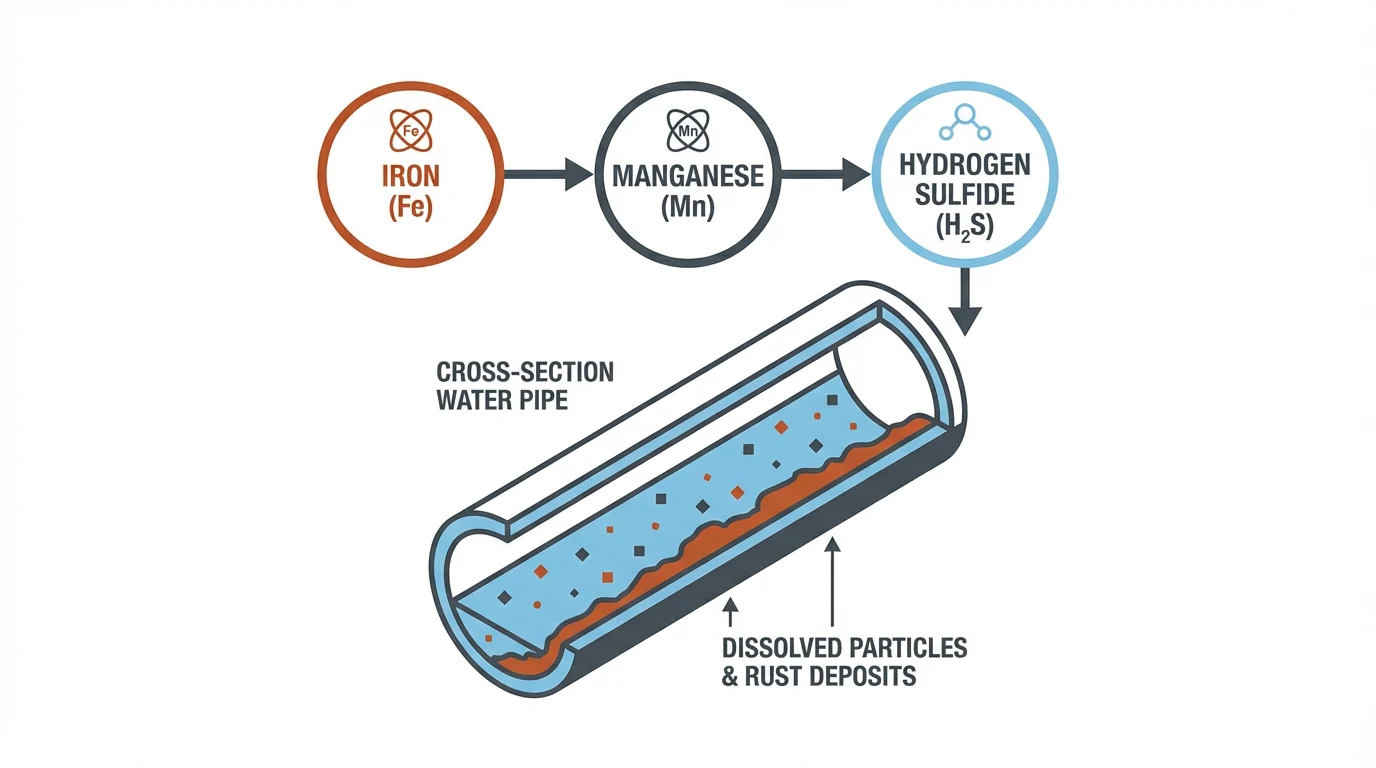
    The cause matters because different problems require different solutions. Chlorine-related taste and odor may respond well to activated carbon filtration. A rotten-egg smell may be linked to hydrogen sulfide, particularly in some well-water systems. Metallic flavors can be associated with iron, manganese, or plumbing corrosion.

    If you’re dealing with bad taste & smell, avoid assuming that a basic filter will solve everything. A carbon filter may improve certain odors but won’t necessarily remove dissolved minerals or bacteria. In some cases, aeration, oxidation, specialized media, or another treatment method may be more appropriate.

    Sudden changes should not be ignored. If the water develops a strong or unusual odor, especially after flooding, plumbing work, or a change in the water source, it’s sensible to stop using it for drinking until the cause has been investigated.

    Why Testing Should Guide Your Decisions

    Water testing is the foundation of a sensible treatment plan. Without testing, homeowners may spend money treating a problem they don’t actually have while leaving the real issue unresolved.

    A basic test may examine hardness, pH, total dissolved solids, chlorine, iron, and other common indicators. Depending on the source and local conditions, additional testing may be recommended for bacteria, nitrates, lead, arsenic, or other contaminants.

    Private well owners should be particularly careful because well water quality can change due to flooding, nearby construction, agricultural activity, damaged well components, or seasonal groundwater movement. Regular testing helps identify changes before they affect the household.

    When reviewing results, look beyond a simple “safe” or “unsafe” label. Ask what was tested, what the results mean, and whether the levels require treatment, monitoring, or further investigation. A qualified water professional should be able to explain the findings in plain language.

    Installation Matters More Than Many People Realize

    Even a good treatment system can perform badly if it is installed in the wrong place or connected incorrectly. Proper installation includes checking water pressure, flow rate, pipe size, drainage, electrical requirements, and available space.

    The equipment should be accessible for filter changes, inspections, and repairs. Installing a system in a cramped location may seem convenient during the initial setup, but it can make routine maintenance frustrating later.

    Homeowners should also ask about bypass valves, replacement parts, warranties, and expected operating costs. Some systems need salt, cartridges, membranes, or lamps replaced on a schedule. Understanding these requirements before purchasing helps avoid unpleasant surprises.

    Simple Habits That Prevent Bigger Problems

    Water treatment equipment works best when supported by sensible household habits. Replace filters according to the manufacturer’s instructions rather than waiting until water pressure drops dramatically. Check for leaks around connections and inspect faucets or showerheads for scale buildup.

    If the home has a water softener, monitor salt levels and look for signs of bridging or improper regeneration. For reverse osmosis systems, replace filters and membranes as recommended. Neglected equipment can become less effective and, in some cases, create hygiene concerns.

    It’s also wise to keep records of water tests, filter replacements, and professional servicing. A simple note in a phone calendar can make a surprising difference.

    A Smarter Way to Protect Your Home

    Water problems don’t always announce themselves loudly. Sometimes they begin with a faint odor, a little scale, or a gradual change in how appliances perform. Paying attention to those details can prevent larger expenses later.

    The most effective approach is not to chase every new treatment product. It is to understand the water, confirm the problem, select equipment that addresses it, and maintain that equipment consistently. With the right balance of testing, planning, and care, homeowners can protect their plumbing, improve everyday comfort, and feel more confident about the water flowing through their taps.

    Clean, reliable water is not something that should be taken for granted. It is a basic part of a healthy, functional home—and it deserves a thoughtful approach.

  • A Local’s Guide to Enjoying Florida’s Gulf Coast Without Rushing It

    A Local’s Guide to Enjoying Florida’s Gulf Coast Without Rushing It

    There’s something about Florida’s Gulf Coast that makes people slow down without really trying. Maybe it’s the warm breeze coming off the water, the soft sand under your feet, or simply the feeling that nobody is in a hurry. You can spend an entire morning doing almost nothing and still feel like you’ve had a proper day out.

    For travelers planning a coastal getaway, pensacola beach is an easy place to fall for. The shoreline is beautiful, of course, but the appeal goes beyond taking a few pictures by the water. There are quiet corners for relaxing, places to eat after a long swim, and plenty of opportunities to enjoy the coast at your own pace.

    Start With the Beach, But Don’t Stop There

    The obvious plan is usually simple: arrive, find the sand, put down a towel, and stay there until sunset. Honestly, that’s not a bad plan.

    Still, the Gulf Coast has more personality when you wander around a little. Early mornings are particularly nice. The beach tends to be calmer, temperatures are more comfortable, and the light makes everything look softer. If you’re an early riser, walking along the shoreline with a coffee can be one of those unexpectedly memorable travel moments.

    Later in the day, the atmosphere changes. Families arrive, restaurants get busier, and the waterfront starts to feel lively. Neither version is better. They’re just different.

    Choosing the Right Time for Your Trip

    Florida’s coastal weather can be wonderfully predictable until it suddenly isn’t. That’s part of the charm, and occasionally part of the frustration.

    Spring and fall are often attractive choices for travelers who want pleasant weather without dealing with the peak summer heat. Summer brings long, bright days and warm Gulf water, but it can also be humid and busy. Winter is generally quieter, making it appealing if your idea of a vacation involves peaceful walks rather than packed beaches.

    Whatever season you choose, check the forecast before heading out. Gulf weather can change quickly, especially during the warmer months. A sunny morning doesn’t always guarantee a completely dry afternoon.

    Exploring Beyond the Sand

    One mistake visitors sometimes make is treating a coastal town as little more than a beach. Once you leave the shoreline, you often discover a completely different side of the area.

    In gulf breeze, for example, visitors can enjoy a more relaxed community atmosphere while still being close to the water. It’s a useful base for people who want access to beaches but also appreciate having parks, local shops, casual restaurants, and quieter neighborhoods nearby.

    The best approach is to leave some space in your itinerary. Don’t schedule every hour. Pick a couple of things you genuinely want to see, then let the rest of the day unfold. You might find a small café you like, stumble across a scenic viewpoint, or simply decide that sitting outside for an hour sounds better than following the original plan.

    Food Is Part of the Experience

    A good beach day works up an appetite. There’s no getting around it.

    The Gulf Coast has plenty of casual dining options, and seafood naturally gets a lot of attention. Fresh fish, shrimp, oysters, crab and other coastal favorites can make a simple lunch feel like part of the vacation rather than just another meal.

    But don’t feel obligated to eat seafood at every stop. Local restaurants often have burgers, sandwiches, salads, barbecue and other familiar choices too. Sometimes, after spending hours in the sun, all you really want is something cold, filling and easy.

    If you’re traveling with family, checking menus beforehand can save a surprising amount of hassle. And during busy periods, eating a little earlier or later than the usual lunch and dinner rush can make the experience much more relaxed.

    A Slower Day Can Be the Best Day

    There’s a tendency when traveling to create an impressive checklist. Beach at 9 a.m., sightseeing at 11, lunch at noon, attraction at 2, shopping at 4, sunset at 6.

    It sounds productive. It can also feel like work.

    A Gulf Coast trip doesn’t need to be that way. Give yourself permission to have a lazy afternoon. Read a book. Take a long walk. Watch boats pass in the distance. Sit somewhere shady and talk with whoever you’re traveling with.

    These ordinary moments are often what people remember most.

    Consider Milton for a Change of Scenery

    If you want to balance coastal relaxation with a little inland exploration, milton offers a different atmosphere. Instead of focusing entirely on the beach, you can spend time around parks, waterways and local outdoor spaces.

    This can be especially appealing for travelers who enjoy nature. Kayaking, hiking, fishing and simply exploring quieter surroundings can give your trip some variety. After a couple of days of sand and saltwater, a change of scenery can feel surprisingly refreshing.

    Milton also works well for travelers who don’t want every part of their vacation to revolve around tourist-heavy areas. Sometimes the quieter stops provide a better sense of the region itself.

    Simple Tips for a Better Gulf Coast Vacation

    A little preparation goes a long way. Bring sunscreen and reapply it, even when the breeze makes the temperature feel comfortable. Keep drinking water throughout the day, particularly during summer. Comfortable footwear matters too, especially if you plan to walk beyond the beach.

    If you’re driving, give yourself extra time during weekends and holidays. Popular coastal areas can become congested, and parking may take longer than expected.

    It’s also worth keeping a small beach bag ready with essentials: water, sunglasses, towels, sunscreen, a phone charger and perhaps a light layer for the evening. Nothing fancy. Just the things you’ll wish you had once you’re already settled.

    And please respect the coast. Take your trash with you, avoid disturbing wildlife, and follow local rules around protected areas. Beautiful beaches stay beautiful because people make an effort to look after them.

    Leave Room for the Unexpected

    The Gulf Coast isn’t really a place that rewards rushing. Its greatest pleasure is often found between the planned activities.

    Maybe you’ll catch an unusually colorful sunset. Maybe a local restaurant becomes the surprise favorite of your trip. Maybe you’ll spend two hours on the beach when you originally planned to stay for thirty minutes.

    That’s okay.

    A memorable Florida getaway doesn’t have to involve expensive activities or a packed schedule. Sometimes it’s simply a comfortable place to stay, good food, warm water, and enough free time to enjoy where you are.

    So make your plans, certainly. Just don’t make too many. Leave a little room for wandering, relaxing and changing your mind. After all, that’s often when a trip stops feeling like an itinerary and starts feeling like a real vacation.

  • Why Staying Ahead of HVAC Problems Can Save You Stress Later

    Why Staying Ahead of HVAC Problems Can Save You Stress Later

    Most homeowners don’t think about their heating and cooling system when everything is working normally. The temperature feels right, the vents are doing their job, and there’s no strange noise coming from the equipment. Life goes on.

    Then the system stops working.

    It’s amazing how quickly an ordinary HVAC problem can become a major inconvenience. A hot afternoon without air conditioning or a freezing morning without heat can make the whole house feel uncomfortable. And unfortunately, breakdowns don’t always happen when it’s convenient to call for help.

    That’s why staying ahead of HVAC problems is worth the effort. A little preparation, regular attention, and timely service can make your system more dependable when you need it most.

    Don’t Wait for a Complete Breakdown

    One of the biggest mistakes homeowners make is waiting until their HVAC system completely stops working before doing anything about it.

    If the system is making unusual noises, running longer than normal, producing weak airflow, or struggling to maintain the thermostat setting, those changes shouldn’t be ignored.

    They don’t necessarily mean the equipment is about to fail. Sometimes the cause is something relatively simple, like a dirty filter or restricted airflow. But without checking, there’s no way to know.

    Addressing small concerns early can sometimes prevent a much bigger repair later.

    Regular Service Can Make Life Easier

    HVAC equipment works hard, especially during extreme weather. Components experience normal wear, filters collect dust, and moving parts can gradually lose efficiency.

    Regular professional maintenance gives a technician a chance to inspect the equipment before a minor issue turns into an emergency.

    For homeowners, that can provide peace of mind. You know someone has looked over the system, potential problems have been identified, and the equipment is better prepared for the season ahead.

    It isn’t a guarantee that nothing will ever go wrong. No maintenance plan can promise that. But prevention is usually easier—and less stressful—than reacting to a breakdown.

    Prepare Before the Weather Gets Extreme

    Timing matters when it comes to HVAC maintenance.

    Having your cooling system inspected before summer and your heating system checked before winter gives you a chance to deal with problems before demand increases.

    During periods of intense heat, air conditioners may operate for long stretches of the day. A system that’s already struggling can become even more stressed when temperatures remain high.

    The same idea applies to heating equipment during freezing weather. A small weakness that wasn’t noticeable during mild conditions can become a serious problem when the system runs almost continuously.

    Preparing early simply gives you more options.

    Pay Attention to Changes in Airflow

    Airflow is one of the easiest things homeowners can notice.

    If air coming from the vents feels weaker than usual, certain rooms aren’t receiving enough conditioned air, or the system seems to run forever without reaching the desired temperature, something may need attention.

    The cause could be a dirty filter, blocked vent, ductwork problem, blower issue, or another HVAC component.

    Don’t immediately assume that the entire system needs replacement. Proper diagnosis matters. A professional can determine where the restriction is coming from and recommend the appropriate solution.

    Sometimes a relatively small adjustment can make a noticeable difference.

    Your Filter Deserves Regular Attention

    The humble HVAC filter isn’t exciting, but it plays an important role.

    A clogged filter can restrict airflow and make the equipment work harder than necessary. Over time, that extra strain can affect performance and potentially contribute to other problems.

    How often a filter should be replaced depends on the filter type, household conditions, pets, occupancy, and manufacturer recommendations.

    It’s a good habit to check the filter regularly rather than simply assuming it’s fine.

    If it looks dirty, replace it according to the manufacturer’s instructions. It’s one of the simplest things you can do to support healthy airflow.

    Keep Outdoor Equipment Clear

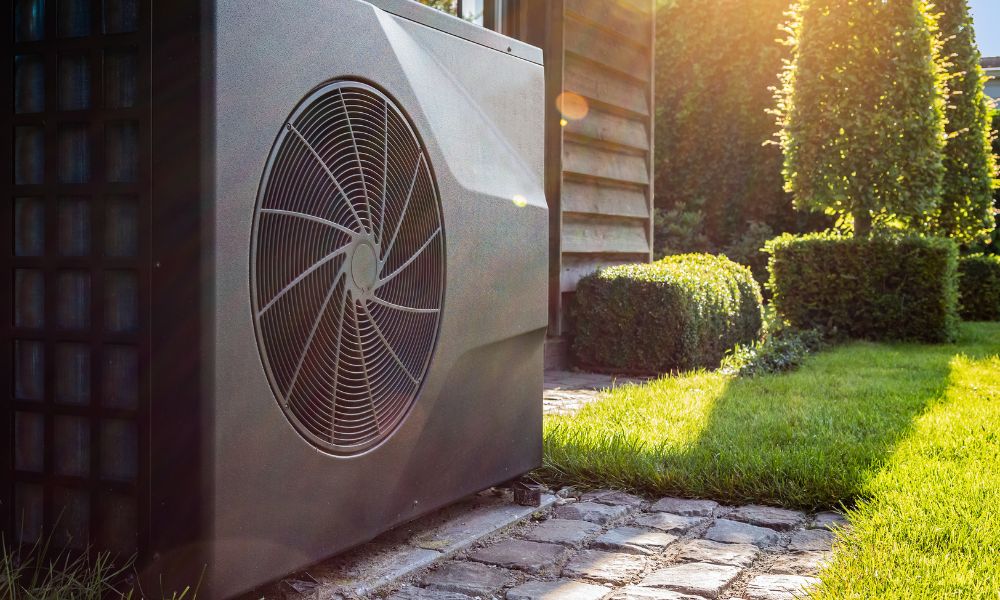
    For homes with outdoor air conditioning equipment, the area surrounding the unit matters.

    Leaves, grass, dirt, and other debris can collect around the condenser and interfere with airflow. Landscaping can also grow too close to the equipment over time.

    Try to keep the area reasonably clear so air can move freely around the unit.

    This doesn’t mean homeowners need to take apart the equipment or perform complicated cleaning themselves. Basic housekeeping around the unit is one thing; internal service should be left to a qualified professional.

    Energy Bills Can Reveal a Problem

    Your utility bill can sometimes tell you more than you realize.

    Of course, energy use naturally increases when the weather becomes hotter or colder. But if your usage hasn’t changed much and costs suddenly rise, your HVAC system may be working harder than it should.

    Dirty components, duct leaks, poor insulation, restricted airflow, aging equipment, or mechanical problems can all affect efficiency.

    Before assuming you need a new system, have the equipment evaluated. Sometimes maintenance or repair is enough to improve performance.

    Other times, replacement may make better financial sense. The important thing is knowing which situation you’re facing.

    Know When Repair Isn’t Enough

    Every HVAC system eventually reaches the end of its useful life.

    If the equipment is old, requires frequent repairs, produces inconsistent temperatures, and costs increasingly more to operate, replacement may be worth considering.

    A single repair doesn’t necessarily justify replacing the entire system. But repeated breakdowns can change the equation.

    Look at the bigger picture. Consider repair costs, energy consumption, equipment age, reliability, and how long you expect to remain in the property.

    Making a thoughtful decision is much easier when you aren’t dealing with an emergency.

    Installation Quality Matters With New Equipment

    If replacement becomes necessary, don’t focus only on the equipment’s brand or efficiency rating.

    Installation quality has a major impact on performance.

    A properly sized system should match the home’s actual cooling or heating requirements. Ductwork, electrical connections, drainage, airflow, and equipment placement all need to be handled correctly.

    Even an excellent piece of equipment may struggle if it’s poorly installed.

    Ask questions before the work begins, and make sure you understand what the installation includes.

    Keep the System Operational Throughout the Year

    An HVAC system shouldn’t only receive attention when something breaks. Filters, thermostats, vents, outdoor equipment, and other components all contribute to performance.

    Professional inspections can also help keep the system operational when seasonal demand increases.

    That matters because comfort isn’t something most people appreciate until it’s gone.

    A comfortable home makes everyday life easier. You sleep better, work more comfortably, and don’t have to spend your evening worrying about whether the temperature will keep climbing or dropping.

    A Little Planning Goes a Long Way

    HVAC maintenance isn’t particularly exciting. Nobody wakes up thinking, “I can’t wait to schedule my seasonal system inspection.”

    Still, it’s one of those household responsibilities that pays off quietly.

    Pay attention to unusual sounds. Check your filters. Keep outdoor equipment clear. Schedule professional maintenance. Address small problems before they become emergencies, and start planning for replacement when your system is clearly reaching the end of its life.

    You don’t need to become an HVAC expert to take good care of your equipment.

    You simply need to notice when something changes and act before a small issue becomes a major headache. When the next heatwave arrives or winter temperatures suddenly drop, you’ll appreciate having a system that’s ready to handle it.

    Good HVAC care isn’t really about avoiding every possible problem. It’s about being prepared, making sensible decisions, and keeping your home comfortable when the weather outside has other ideas.

  • Finding a Water Treatment Service You Can Actually Trust

    Finding a Water Treatment Service You Can Actually Trust

    Choosing a water treatment company can feel strangely complicated. You might start by searching online for a simple solution to hard water or an unpleasant taste, only to find pages filled with technical terms, different systems, and prices that seem to vary wildly.

    And that’s the frustrating part. Most homeowners don’t want to become water-treatment experts. They simply want to understand what’s wrong, what can be done about it, and how much fixing it will cost.

    A good water treatment provider should make that process easier, not more confusing. The right company listens first, tests when necessary, explains the options clearly, and recommends equipment based on your actual water conditions rather than simply trying to sell the biggest system available.

    Start With the Problem, Not the Product

    One of the best ways to approach water treatment is to forget about equipment for a moment.

    Instead, start with the problem.

    Is your water leaving white spots on faucets? Does it have an unusual smell? Are you concerned about drinking water? Is your water pressure inconsistent? Maybe your appliances are collecting mineral deposits faster than they used to.

    Each situation can require a different approach.

    A professional should want to understand these concerns before recommending a solution. Water testing can also provide useful information about hardness, pH, sediment, minerals, chlorine, and other characteristics.

    Once the problem is clear, it’s much easier to determine what treatment actually makes sense.

    Why One System Doesn’t Fit Every Home

    Every property is a little different. Water sources vary, household consumption varies, and even homes in the same neighborhood can have different plumbing or water-quality concerns.

    That’s why tailored solutions are often more practical than a standard package offered to everyone.

    For example, one homeowner might benefit from a water softener because hardness is causing scale throughout the plumbing. Another might mainly want better-tasting drinking water and only need a point-of-use filtration system.

    A larger home with several bathrooms and high water consumption may need greater treatment capacity than a smaller household.

    The best system is not necessarily the most advanced one. It’s the one that addresses the problem without adding unnecessary equipment and expense.

    Ask Questions Before Signing Anything

    There’s nothing wrong with asking a lot of questions. In fact, it’s probably a good idea.

    If a company recommends a particular filter, softener, or purification system, ask why it’s needed. What does it remove? How often does it need maintenance? How long do the filters last? What happens if a component fails?

    A trustworthy provider should be comfortable answering these questions without making you feel foolish for asking.

    Look for honest recommendations rather than vague promises. A professional should be able to explain both the benefits and limitations of a treatment system.

    No water-treatment technology solves every possible water problem, and anyone suggesting otherwise deserves a little extra scrutiny.

    Pricing Shouldn’t Feel Like a Mystery

    Another common frustration is discovering the actual cost only after the sales conversation has gone much further than expected.

    Water treatment can involve equipment, installation, replacement filters, maintenance, salt, electricity, and other ongoing expenses. Understanding those costs upfront makes it much easier to compare options.

    Good companies should aim for transparent pricing. That doesn’t necessarily mean the cheapest price. It means you should have a reasonable understanding of what you’re paying for.

    Ask whether installation is included. Find out about service costs and replacement parts. If financing is offered, understand the total cost rather than focusing only on the monthly payment.

    A clear price makes a conversation much more comfortable for everyone involved.

    Don’t Overlook Installation Quality

    Even excellent treatment equipment can perform poorly if it’s installed incorrectly.

    The installer needs to consider water pressure, pipe sizing, drainage, electrical requirements, system settings, and available space. The equipment should also be positioned so that future maintenance isn’t unnecessarily difficult.

    A professional installation can make the system easier to operate and service over its useful life.

    It’s worth asking who will actually perform the installation. Will trained technicians handle the work? Is the installation covered by a warranty? What happens if a connection leaks or the system doesn’t perform as expected?

    These aren’t awkward questions. They’re sensible ones.

    Maintenance Is Part of the Deal

    A water treatment system isn’t something you install once and completely forget about.

    Filters need changing. Softener salt needs replenishing when applicable. Some systems require periodic cleaning, inspections, or replacement components.

    Before purchasing equipment, understand what maintenance will look like.

    If a system requires frequent attention, that’s not necessarily a reason to avoid it. Some advanced systems simply need more maintenance because they perform more specialized treatment. The important thing is knowing what you’re getting into.

    A provider that explains maintenance clearly from the beginning is generally easier to work with later.

    Consider the Long-Term Value

    The cheapest water treatment system isn’t automatically the best bargain.

    Imagine buying inexpensive equipment that requires hard-to-find replacement filters or frequent repairs. The initial savings may disappear pretty quickly.

    Instead, consider the total ownership cost. Think about equipment life, replacement parts, service requirements, water and electricity consumption, and installation quality.

    A slightly higher initial investment can sometimes make sense if the system is better suited to your water and easier to maintain.

    At the same time, don’t assume expensive equipment is automatically superior. Good value comes from the right balance between performance, reliability, and cost.

    Pay Attention to the Service Experience

    Water treatment is an ongoing relationship, especially if your system requires regular servicing.

    Notice how a company communicates before you make a purchase. Do they return calls? Explain things clearly? Arrive when they say they will? Take time to understand your concerns?

    Those small details can tell you quite a bit.

    A company that is difficult to communicate with before installation probably won’t become magically easier to deal with afterward.

    Good service doesn’t have to be flashy. Sometimes it’s simply having someone answer your question without making you feel like you’re wasting their time.

    A Better Way to Choose

    Finding the right water treatment provider doesn’t have to be a stressful process. Start with your actual water concerns, get the water tested when appropriate, and compare solutions based on what your property really needs.

    Ask about installation, maintenance, warranties, replacement parts, and total costs. Most importantly, look for a company that explains its recommendations instead of pushing you toward a particular product.

    The best water treatment experience is one where you understand what you’re buying and why you’re buying it.

    When the process is straightforward, the pricing is clear, and the recommendations are based on your actual needs, choosing a water treatment system becomes much less intimidating. And in the end, that’s what good service should do—give you better water without making the whole experience harder than it needs to be.

  • Understanding the Water Quality Factors That Matter in Commercial Water Filtration

    Understanding the Water Quality Factors That Matter in Commercial Water Filtration

    Water is one of those everyday resources that businesses tend to notice only when something goes wrong. A restaurant suddenly has strange-tasting ice. A hotel starts seeing mineral spots on bathroom fixtures. A commercial kitchen finds itself cleaning equipment more often than usual. These problems can seem unrelated, but sometimes they have the same starting point: the water entering the building.

    Commercial water filtration isn’t simply about making water look cleaner. Different properties have different water conditions, and the right filtration approach depends on what’s actually present. Understanding common concerns such as disinfectants, suspended particles, and naturally occurring minerals can make treatment decisions much more practical.

    Why Water Quality Matters in Commercial Operations

    Commercial facilities often use large amounts of water every day. Restaurants need it for cooking, cleaning, beverages, and ice. Hotels use water throughout guest rooms, kitchens, laundry areas, and maintenance systems. Offices and other facilities may have less intensive demand, but water still supports many everyday activities.

    Because usage can be high, even a relatively small water-quality concern may become noticeable over time. Sediment can affect filters and valves, mineral deposits can build up inside equipment, and certain compounds can influence taste or odor.

    The first step is understanding the water rather than immediately purchasing treatment equipment.

    The Role of Chlorine and Chloramines

    Municipal water supplies are commonly disinfected before reaching customers. Depending on the local water provider, chlorine or chloramine-based treatment may be used as part of that process.

    These disinfectants serve an important purpose, but some businesses may notice their effects on taste and odor. This can be particularly relevant in restaurants, cafés, hotels, and other places where water becomes part of a customer’s experience.

    Chlorine and chloramines can also influence the choice of filtration media. Certain carbon filters are designed to reduce specific disinfectants, but their performance depends on the filter design, contact time, water chemistry, and operating conditions.

    Testing is therefore useful before deciding what type of filtration is necessary.

    What Sediment and Turbidity Tell You

    Water can contain suspended particles that aren’t always obvious when you first turn on a faucet. These particles may come from the source water, distribution system, or building plumbing.

    Sediment and turbidity are related to suspended material in water, although they describe different things. Sediment generally refers to particles that can settle or be filtered, while turbidity describes how cloudy or hazy water appears because of suspended matter.

    In a commercial setting, excessive particles can create practical problems. They may collect inside filters, valves, fixtures, and water-using equipment.

    A properly selected sediment filter can help reduce these particles, but filter selection should consider particle size, flow rate, capacity, and the actual level of contamination.

    Why Iron and Sulfur Can Become Noticeable

    Some commercial properties, especially those using private wells, may experience concerns involving iron and sulfur.

    Iron can leave reddish, orange, or brown staining on fixtures and laundry. Sulfur compounds may create an unpleasant rotten-egg-like odor. These issues can be especially frustrating for businesses where customers directly experience the water.

    The solution depends on the concentration and chemical form involved. Different treatment technologies are designed for different conditions, so simply installing a general-purpose filter may not solve the problem.

    A water test can help identify what is actually happening and prevent unnecessary equipment purchases.

    How Water Chemistry Affects Equipment

    Commercial water-using equipment can be sensitive to changes in water chemistry. Ice machines, coffee makers, dishwashers, boilers, water heaters, and laundry systems all interact with the water supply.

    Hardness minerals may contribute to scale. Sediment can interfere with valves and filters. Certain water conditions can also contribute to corrosion over time.

    These problems don’t always happen suddenly. Often, equipment continues working while gradually becoming less efficient or requiring more frequent cleaning.

    That makes preventive water management worthwhile, especially when a business depends on expensive equipment every day.

    Choosing Filtration Based on the Actual Problem

    There isn’t one filtration system that can solve every water-quality issue. That’s why testing should ideally come before choosing equipment.

    If suspended particles are the main concern, sediment filtration may be appropriate. If certain tastes, odors, or disinfectants are present, carbon filtration could be considered. Hardness may require softening, while other dissolved substances may require specialized treatment.

    The objective isn’t to install the most complicated system available. It’s to address the problem that actually exists.

    A properly matched system is often more useful — and less expensive to maintain — than an oversized setup with features a business never needs.

    Considering Flow Rate and Capacity

    Commercial filtration has to keep up with real-world water demand. This is particularly important in busy facilities where several fixtures or appliances may operate at the same time.

    A restaurant, for example, may have peak water demand during lunch and dinner service. A hotel can experience significant usage in the morning when many guests shower and use bathrooms simultaneously.

    Businesses should therefore consider both average consumption and peak flow when selecting filtration equipment.

    A filter that is too small may restrict flow or require frequent replacement. A system that’s far larger than necessary can increase the initial investment without providing meaningful additional value.

    Maintenance Is Part of the Solution

    Installing a filtration system doesn’t mean water management is finished. Filters have service lives, and components need periodic inspection.

    Businesses should maintain records of filter replacement dates, water-testing results, inspections, and unusual changes in pressure, taste, odor, or equipment performance.

    This kind of record keeping may sound mundane, but it can make troubleshooting much easier. If water flow suddenly decreases, for instance, maintenance records can help determine whether a filter is approaching the end of its useful life.

    Why Testing Can Save Money

    Water testing isn’t only about identifying problems. It can also prevent businesses from spending money on unnecessary treatment.

    If a business assumes hardness is the issue and purchases a softener without testing, it may discover later that sediment or another characteristic was responsible for the original concern.

    Testing provides a more reliable starting point. It allows businesses to compare treatment options based on actual water conditions rather than marketing claims or assumptions.

    A More Practical Approach to Commercial Water Treatment

    Good commercial water management is less about buying the biggest filtration system and more about making informed decisions.

    Start by testing the water and identifying the characteristics that matter for the property. Consider how the water is being used, which equipment depends on it, and what problems have already appeared.

    Then choose filtration that matches those needs and maintain it consistently.

    Water will always be part of commercial operations. The goal isn’t to make it complicated. It’s to understand it well enough to protect equipment, support daily operations, and provide a better experience for the people who depend on the business.

    A thoughtful approach — test, understand, treat, and maintain — can go a surprisingly long way.

  • Building a More Comfortable Home Starts With the Right HVAC System

    Building a More Comfortable Home Starts With the Right HVAC System

    A truly comfortable home isn’t something most people stop to appreciate every day. It quietly wraps around your routine without demanding attention. You wake up to a bedroom that’s the perfect temperature, enjoy dinner without feeling stuffy, and sleep peacefully because the air feels just right. That’s the kind of comfort an efficient HVAC system provides when everything is working as it should.

    Ironically, we often notice our heating and cooling system only when it struggles. Maybe the living room cools quickly while the upstairs stays warm. Perhaps the furnace runs longer than it used to, or your utility bills keep creeping upward even though your habits haven’t changed. These little frustrations can slowly become part of daily life until one day you realize your system isn’t performing the way it once did.

    Upgrading or improving your HVAC system isn’t simply about replacing equipment. It’s about creating a home that works better for your family today while preparing for the years ahead.

    Home Comfort Goes Beyond the Thermostat

    Many homeowners think comfort begins and ends with temperature. While that’s certainly important, it’s only one piece of the puzzle.

    Airflow, humidity, indoor air quality, and even how quietly the equipment operates all contribute to the overall experience of living in your home. When these elements work together, the result feels natural. You don’t constantly adjust the thermostat or move from room to room searching for a comfortable spot.

    That’s what year-round comfort  really means. It’s the confidence that your home will remain welcoming during summer heat, chilly winter mornings, and everything in between without requiring constant attention.

    Small Warning Signs Shouldn’t Be Ignored

    HVAC systems usually provide subtle hints before serious problems develop.

    You might notice uneven temperatures throughout the house. Airflow may seem weaker than it once was. Strange noises become more frequent, or the system cycles on and off more often than normal. Sometimes the only clue is a steadily increasing energy bill.

    Individually, these issues might seem minor. Together, however, they often indicate that your system is working harder than necessary.

    Addressing these signs early can prevent unexpected breakdowns and give homeowners time to consider the best solution instead of making rushed decisions during extreme weather.

    Every Home Has Different Heating and Cooling Needs

    No two homes are exactly alike.

    A newly built home with excellent insulation requires different equipment than an older property with original ductwork. Ceiling height, window placement, square footage, family size, and local climate all influence HVAC performance.

    That’s why the best results usually come from customized hvac solutions  rather than one-size-fits-all recommendations.

    Experienced HVAC professionals evaluate the entire home before suggesting equipment. Instead of simply replacing an existing unit with a similar model, they consider airflow, efficiency goals, and future household needs to create a system that truly fits the space.

    That personalized approach often delivers better comfort while reducing unnecessary energy use.

    Modern HVAC Technology Has Changed Significantly

    Heating and cooling equipment has improved dramatically over the past decade.

    Today’s systems feature variable-speed motors, advanced compressors, smart thermostats, and improved airflow management that help maintain more consistent indoor temperatures. Instead of operating at full power all the time, modern equipment adjusts its output based on actual demand.

    The result is quieter operation, better humidity control, and more stable indoor comfort throughout the day.

    Many homeowners are surprised by how different a properly installed modern HVAC system feels compared to equipment that has been operating for fifteen or twenty years.

    Better Efficiency Brings Everyday Benefits

    Energy efficiency isn’t simply about lowering utility bills, although that’s certainly an advantage.

    Efficient systems place less strain on mechanical components, reducing wear while maintaining steady performance. They also help create more balanced temperatures across the home instead of constantly cycling between too warm and too cool.

    For homeowners planning to stay in their homes for many years, these improvements provide value that extends far beyond monthly savings.

    Comfort, reliability, and reduced maintenance often become just as important as lower operating costs.

    Don’t Overlook Indoor Air Quality

    An HVAC system moves air through your home every day, making it one of the biggest influences on indoor air quality.

    Advanced filtration options can help reduce airborne dust, pollen, pet dander, and other particles circulating through the living space. Combined with proper humidity control, these features create an environment that feels fresher and healthier.

    Families who spend significant time indoors often notice these improvements without immediately realizing what’s changed. The air simply feels cleaner, breathing becomes easier, and everyday comfort improves naturally.

    Sometimes the smallest changes have the biggest impact over time.

    Regular Maintenance Protects Your Investment

    Installing new HVAC equipment isn’t the finish line. It’s the beginning of a long-term relationship with your home’s comfort system.

    Routine maintenance keeps equipment operating efficiently while reducing the likelihood of unexpected breakdowns. Replacing air filters, cleaning outdoor units, checking refrigerant levels, and scheduling annual inspections all contribute to smoother performance.

    Preventive maintenance also allows technicians to identify small issues before they develop into expensive repairs.

    That simple habit helps homeowners enjoy long-term performance  while protecting one of the most valuable mechanical systems in the house.

    Planning Ahead Is Better Than Waiting

    Many HVAC replacements happen during emergencies, usually after equipment fails completely.

    Unfortunately, emergency situations rarely provide enough time to research options carefully. Homeowners often feel pressured to make quick decisions simply to restore heating or air conditioning as fast as possible.

    Planning ahead changes that experience completely.

    When you replace aging equipment before it reaches the end of its life, you have time to compare systems, evaluate efficiency ratings, and work with experienced professionals who can recommend the best solution for your specific home.

    That extra time almost always leads to better decisions.

    A Comfortable Home Is Built One Smart Decision at a Time

    Every homeowner wants a space that feels inviting no matter what the weather is doing outside. A dependable HVAC system quietly supports that goal every single day by maintaining comfortable temperatures, healthy airflow, and efficient operation without demanding constant attention.

    Investing in the right system isn’t simply about installing new equipment. It’s about improving daily life through quieter operation, cleaner indoor air, lower energy consumption, and greater peace of mind.

    When thoughtful planning, quality installation, and regular maintenance come together, your HVAC system becomes more than just another appliance. It becomes part of the foundation of a comfortable home—one that keeps your family comfortable through changing seasons and continues delivering dependable results for many years to come.

  • Why Better Water Quality Can Transform the Way You Experience Your Home

    Why Better Water Quality Can Transform the Way You Experience Your Home

    Water has a funny way of disappearing into the background of everyday life. You turn on the tap, fill a glass, wash the dishes, start a load of laundry, and move on without giving it much thought. It’s one of those things that quietly supports nearly every part of your daily routine—until something changes. Maybe the water starts tasting strange, leaves white spots on your glasses, or develops an odor that wasn’t there before. Suddenly, something so ordinary becomes impossible to ignore.

    The truth is, water quality affects much more than what comes out of your faucet. It influences your home, your appliances, your family’s comfort, and even your long-term expenses. Whether your water comes from a municipal source or a private well, understanding what’s in it and taking steps to improve it can make a noticeable difference.

    Clean Water Starts with Knowing What You’re Using

    Many homeowners assume their water is perfect because it’s clear. While clear water is certainly a good sign, appearance alone doesn’t tell the whole story.

    Water naturally picks up minerals and other substances as it travels through underground sources, treatment facilities, and miles of distribution pipes before reaching your home. Depending on where you live, you may encounter hard water, chlorine, sediment, iron, sulfur, or other naturally occurring elements that influence quality.

    A professional water test provides a much clearer picture. Instead of guessing what might be causing unpleasant tastes or household issues, testing identifies the specific characteristics of your water, allowing you to make informed decisions rather than relying on assumptions.

    Water Quality Impacts More Than Drinking

    When people think about water treatment, they often picture cleaner drinking water. That’s certainly important, but it’s only part of the story.

    Think about how often water touches your life throughout the day. You shower in it, cook with it, wash your clothes, clean your kitchen, brush your teeth, and even water your garden. Every one of those activities is affected by water quality in some way.

    Poor-quality water can make soap harder to rinse away, leave mineral deposits on bathroom fixtures, fade clothing more quickly, and reduce the effectiveness of cleaning products. Over time, those small inconveniences begin to add up.

    Improving water quality often makes everyday household tasks feel easier without requiring any major lifestyle changes.

    Your Home Works Hard—Help It Last Longer

    Many expensive household systems rely on clean water every single day.

    Hard water minerals gradually accumulate inside water heaters, dishwashers, washing machines, coffee makers, and plumbing fixtures. As scale builds up, appliances become less efficient, consume more energy, and may require repairs sooner than expected.

    Installing the right water treatment system helps protect your appliances & plumbing, reducing mineral buildup while allowing household equipment to operate more efficiently. Over the years, this simple investment can contribute to lower maintenance costs and extend the lifespan of many expensive appliances.

    It’s not always something homeowners notice immediately, but it’s one of those benefits that quietly pays off month after month.

    Better Water Can Improve Everyday Comfort

    Some improvements aren’t dramatic. They’re simply pleasant.

    Water that feels softer on your skin can make showers more enjoyable. Hair often becomes easier to manage, and laundry may feel cleaner and softer after washing. Even cooking can benefit when unwanted tastes or odors are removed from the water used in recipes.

    Many families discover they’re drinking more water simply because it tastes fresher. Coffee, tea, soups, and homemade meals often develop cleaner flavors when prepared with high-quality water.

    These everyday improvements may seem small individually, but together they can genuinely improve health & comfort throughout the home. Sometimes it’s the little details that make daily life feel noticeably better.

    Every Home Has Different Water Challenges

    One of the biggest misconceptions about water treatment is that one solution works for everyone.

    In reality, every water source is unique.

    A home supplied by municipal water may need chlorine reduction, while another property with well water could require iron removal or sediment filtration. Some homeowners struggle with hard water, while others are primarily concerned about unpleasant odors or mineral staining.

    That’s why professionals usually recommend water testing before suggesting equipment. Understanding the specific characteristics of your water allows treatment to focus on actual problems rather than generalized assumptions.

    This personalized approach delivers better performance and often avoids unnecessary costs.

    Choosing the Right System Makes All the Difference

    Walking into a home improvement store can be overwhelming. Shelves are filled with filters, softeners, cartridges, and products that all promise cleaner water.

    The challenge isn’t finding equipment—it’s knowing which equipment actually solves your specific problem.

    Professionally designed custom solutions consider your home’s water source, household size, plumbing configuration, and water quality results before recommending a treatment system. Instead of applying a generic fix, the solution is built around your home’s individual needs.

    That level of customization often leads to better efficiency, better performance, and greater long-term satisfaction.

    Maintenance Keeps Water Quality Consistent

    Even the best water treatment equipment requires occasional attention.

    Filters eventually reach their capacity. Softening systems need servicing. Components naturally wear over time through regular use.

    Routine maintenance helps ensure your system continues delivering the same level of performance year after year. It also provides opportunities to identify minor issues before they become larger repairs.

    Many homeowners appreciate having a maintenance schedule because it removes the guesswork. Rather than wondering when service is needed, they can simply follow a plan that keeps everything running smoothly.

    Consistent care protects both your investment and your home’s water quality.

    A Smarter Investment Than Many People Realize

    Home improvements often focus on things people can immediately see—new flooring, fresh paint, updated kitchens, or landscaping. Those upgrades certainly have value.

    But improving your water is different because it touches nearly every room in the house. It supports cooking, cleaning, bathing, laundry, hydration, and appliance performance all at once.

    Unlike cosmetic improvements, better water quietly works in the background every day. It reduces wear on household systems, improves everyday routines, and creates greater confidence in something your family depends on constantly.

    That’s a return on investment many homeowners don’t fully appreciate until they’ve experienced it firsthand.

    Final Thoughts

    Water may seem ordinary, but it influences your home more than almost any other resource you use each day. From preserving appliances and plumbing to making everyday routines more enjoyable, cleaner water offers practical benefits that continue long after installation.

    The best place to begin is with a professional water assessment. Once you understand what’s actually in your water, choosing the right treatment becomes much easier. With a solution tailored to your home’s unique needs and regular maintenance to keep everything performing at its best, you’ll enjoy cleaner water, greater efficiency, and added peace of mind for years to come.

    Sometimes the most valuable home improvements aren’t the ones everyone notices—they’re the ones your family experiences every single day.

  • Understanding and Tackling Sulfur Water Issues at Home

    Understanding and Tackling Sulfur Water Issues at Home

    It’s a weird moment, isn’t it? You turn on the tap, pour yourself a glass of water, and then—bam!—that unmistakable smell hits you. Rotten eggs, lingering odors, and a taste that makes you hesitate. If you’ve ever dealt with sulfur water, you know exactly what I’m talking about. It’s unpleasant, sometimes alarming, and can make even a simple glass of water feel uninviting.

    At first, I tried shrugging it off. “It can’t be that bad,” I thought. But as days passed, the smell seemed to intensify, especially when I ran hot water in the shower or boiled water for cooking. It quickly became clear that this wasn’t just a minor annoyance—it was a problem that deserved attention.

    What Causes Sulfur Water?

    The culprit behind the rotten egg smell in water is usually hydrogen sulfide gas. This naturally occurring compound forms when certain bacteria interact with sulfur-containing minerals underground. In some cases, it can also arise from decaying organic matter in the well. The result is water that looks fine but carries a noticeable odor and sometimes a metallic taste.

    Interestingly, the intensity of sulfur in water can vary. Sometimes it’s barely detectable in cold tap water but becomes pronounced when the water is heated. That’s because heating accelerates the release of hydrogen sulfide gas. Noticing these patterns is useful in diagnosing whether the source is bacterial or mineral-based, and it helps in choosing the right treatment method.

    Why You Shouldn’t Ignore Sulfur in Water

    Beyond the obvious stench, sulfur-laden water can have subtle effects on your home and health. Hydrogen sulfide can corrode pipes and plumbing fixtures over time, leading to costly repairs. Appliances like water heaters, coffee machines, and dishwashers may develop scaling or corrosion faster than usual.

    Personally, I noticed that even boiling water for pasta resulted in a slightly off taste, which was annoying. While low levels of sulfur are generally not considered dangerous, higher concentrations or persistent bacteria in the water can warrant further testing. Addressing sulfur water is not just about comfort—it’s about long-term home maintenance and overall water quality.

    Recognizing the Signs

    You don’t always need a lab test to know that hydrogen sulfide is present. Aside from that telltale rotten egg smell, there are several indicators:

    • Black or gray staining on sinks, faucets, or laundry
    • Cloudy or discolored water
    • Unpleasant taste, metallic or bitter
    • Odor intensifying when water is heated

    When I first noticed the black stains forming around my bathroom fixtures, I didn’t connect it with the smell. Once I did, it was obvious that the two issues were related. Simple observation can go a long way in identifying the problem before it worsens.

    Water Smells Like Sulphur—What That Means

    Sometimes, you may notice a faint but persistent smell, and people describe it as water smells like sulphur. This subtle odor can appear intermittently and may be stronger in hot water. Knowing whether the smell is constant or only present under certain conditions can help professionals determine the source.

    If the odor is intermittent, it’s often due to bacteria in the well or plumbing system. Constant, strong smells might indicate naturally occurring minerals in your water source. Either way, understanding the pattern is the first step in choosing a treatment method that actually works.

    Testing Your Water

    Before rushing to install a solution, testing is essential. Home testing kits are widely available and can measure hydrogen sulfide concentrations, while professional laboratories provide more comprehensive analyses. Testing water from different taps—cold, hot, and directly from the well—gives a complete picture of the problem.

    I found testing especially enlightening because it revealed something I hadn’t considered: the odor was stronger in hot water, confirming that heating was releasing more hydrogen sulfide gas. This kind of insight makes choosing the right treatment solution far more precise and effective.

    Treatment Options

    Depending on the source and concentration, there are several ways to address smelly water:

    1. Aeration Systems – By exposing water to air, hydrogen sulfide gas can be released before it enters your plumbing. This method works well for moderate sulfur levels.
    2. Activated Carbon Filters – These filters absorb sulfur compounds, reducing both smell and taste. Regular maintenance is required to keep them effective.
    3. Oxidizing Filters – Media such as manganese greensand can convert hydrogen sulfide into a solid, which is then filtered out. This works well for higher concentrations.
    4. Shock Chlorination – A temporary solution that kills sulfur-producing bacteria in wells. This can be effective but usually needs to be repeated periodically.

    When I installed a combination of aeration and carbon filtration, the difference was almost immediate. The water tasted cleaner, the odor faded, and appliances seemed to operate a little more smoothly. It wasn’t just a convenience—it improved daily life in subtle but noticeable ways.

    Preventing Future Issues

    Maintenance is key. Regularly checking your system, replacing filters, and monitoring water quality ensures the problem doesn’t return. Keeping wells properly sealed and ensuring good drainage around the wellhead also helps minimize bacterial growth.

    Seasonal changes can also influence hydrogen sulfide levels. Heavy rainfall or shifts in groundwater levels might temporarily increase odor, so periodic monitoring is advisable. Being proactive prevents smelly water from sneaking back in unexpectedly.

    When to Call a Professional

    Some sulfur problems are straightforward and manageable with DIY approaches, but persistent or high-concentration issues may require professional help. Water treatment experts can test, diagnose, and install systems tailored to your specific situation. They can also ensure that your solution is correctly sized, properly maintained, and effective over the long term.

    For me, after a few DIY attempts failed, calling a professional made all the difference. They helped choose the right filtration media, explained maintenance schedules, and even monitored water quality to confirm the solution was working. Sometimes expertise saves time, money, and frustration.

    The Subtle Impact of Smelly Water

    Even if your water isn’t dangerous, smelly water can affect daily life more than you realize. Cooking, drinking, showering, and even making ice can be unpleasant. There’s a mental component too—when water smells bad, it can feel less safe or clean, even if it’s technically potable. Treating the odor improves not just taste, but overall peace of mind.

    It’s funny how such a small problem—a rotten egg smell—can ripple through your day. Once I resolved the issue, I found myself more confident using water for cooking, brewing tea, or giving my pets a drink. That subtle improvement made everyday life feel a little smoother.

    Final Thoughts

    Addressing hydrogen sulfide in your well water isn’t glamorous, but it’s worth it. Understanding why water smells like sulphur, testing your water, and choosing the right treatment options can restore taste, remove odor, and protect your home.

  • When Your Microwave Stops Working: Finding the Right Help Without Losing Your Mind

    When Your Microwave Stops Working: Finding the Right Help Without Losing Your Mind

    There are few modern conveniences as quietly essential as the microwave. You don’t think about it much—until the moment it stops heating your coffee, leaves your leftovers cold in the center, or makes a weird humming noise that sounds like it’s plotting against you. Suddenly, that little box of magic feels more like a ticking frustration. And then comes the question: who do you call, and how do you make sure you’re not getting ripped off?

    This isn’t just about fixing a household gadget—it’s about regaining a slice of normalcy. Because let’s be honest, when the microwave goes down, the rhythm of everyday life gets thrown off balance in subtle but real ways.


    The First Instinct: “I’ll Fix It Myself”

    Most of us have that initial burst of misplaced confidence: “How complicated can it be? It’s just a box that makes food hot.” Cue fifteen minutes later, when you’re staring at a cluster of wires, realizing you’ve made a huge mistake and maybe even zapped yourself (hopefully just a tiny static-like shock).

    Microwaves aren’t like unclogging a drain or tightening a door hinge. They’ve got capacitors that can hold dangerous amounts of electricity even after being unplugged. So unless you’re both handy and cautious, the DIY route is usually not worth the gamble. That’s why the smarter option is typing something like microwave repair near me into your search bar and letting the professionals take it from there. It’s not just about convenience—it’s about safety too.


    Why Professional Repair Still Matters

    In a throwaway culture, replacing things is the default. But the truth is, many microwave issues are minor: a blown fuse, a faulty door switch, maybe a magnetron that’s given up after years of loyal service. These aren’t reasons to dump the whole unit and spend hundreds on a new one.

    A good technician can diagnose the problem quickly, replace the part, and extend the life of your appliance by years. It’s like taking your car to a trusted mechanic versus abandoning it when the check-engine light comes on. Repair, when done right, is often the most economical and sustainable choice.


    Who You Trust Makes All the Difference

    Of course, not every company calling itself a repair service actually deserves your trust. Some will give you vague estimates, overcharge for parts, or push you toward replacement just because it’s easier for them. That’s where doing a little homework goes a long way.

    For example, established providers like Appliances Connection microwave repair bring a level of professionalism and accountability that fly-by-night shops simply can’t match. They have reputations to protect, access to genuine parts, and technicians trained to handle different brands and models. Choosing a name you can rely on means fewer headaches and better results in the long run.


    How to Spot a Reliable Service (Without Losing Hours of Your Life)

    The internet is both your best friend and worst enemy here. Reviews are everywhere, but separating the useful insights from the noise takes some skill. A few quick tips:

    • Consistency matters. One five-star review means little, but fifty of them pointing to punctuality, fair pricing, and clear communication? That’s worth noting.
    • Transparency is key. Honest companies don’t hide their pricing structure. They’ll give you a ballpark idea upfront and explain costs if things change.
    • Responsiveness says a lot. If they don’t pick up the phone or take three days to return an email, chances are they’ll treat your repair the same way.

    At the end of the day, trust your gut. If something feels off during that first interaction, it’s usually a sign to keep looking.


    The Cost Question Everyone Thinks About

    Let’s face it: nobody enjoys paying for repairs. But what most people don’t realize is how affordable microwave fixes can be compared to replacement. A fuse or switch might cost less than a dinner out. Even bigger issues like magnetron replacement, while pricier, are still often half the cost of a new unit.

    The point isn’t just saving money—it’s making a practical choice. Throwing out an appliance that still has years of life left just doesn’t make sense, especially in a world where waste is already piling up around us.


    What to Expect During a Service Call

    Here’s what usually happens when you bring in a professional: they’ll ask about the symptoms (is it not heating, making noise, sparking?), give you a rough idea of the possible causes, and then test it in front of you. Most of the time, they’ll have the necessary parts on hand and can fix it during the first visit.

    A proper microwave repair service doesn’t just swap parts and leave. They’ll explain what went wrong, offer advice on preventing future issues, and make sure everything is safe before they walk away. That level of care is what separates a real professional from a quick buck operation.


    Why Repair Feels Like a Smarter Choice These Days

    There’s also a cultural shift happening. People are more conscious about sustainability, about not throwing things away unnecessarily. Repairing a microwave instead of replacing it fits right into that mindset. It’s kinder to your wallet, and it’s kinder to the planet.

    And let’s not forget the peace of mind. Knowing that your appliance is back in action, restored by someone who actually understands its quirks, is oddly satisfying. You don’t just get your hot leftovers back—you get a little relief from the chaos that broken things tend to stir up.


    Final Thoughts: Don’t Wait Until It’s Too Late

    If your microwave has been acting up, don’t wait until it completely gives up on you. The earlier you address the issue, the easier (and cheaper) the fix usually is. Whether you go with a well-known provider or a trusted local repair shop, the important thing is not to ignore the signs.

    Because here’s the truth: your microwave isn’t just another appliance. It’s the quiet hero of late-night snacks, rushed breakfasts, and reheated coffee on cold mornings. When it fails, it throws off more than just your meals—it unsettles your daily rhythm. So do yourself a favor: find the right help, get it fixed, and get life back to normal.

  • Clean Water, Clear Living: A Real Look at Long Island’s Home Water Systems

    Clean Water, Clear Living: A Real Look at Long Island’s Home Water Systems

    There’s something about pouring a glass of water at home that feels like the most ordinary act in the world. You don’t think twice—you turn on the tap, fill it up, maybe drop in some ice, and that’s it. But here’s the truth: on Long Island, what’s flowing from your tap may not always be as simple as it looks. Beneath the surface, there’s a whole story about aquifers, minerals, and man-made contaminants. And if you live there, it’s worth asking whether your home’s setup is doing enough to keep that story clean.

    I’ve had conversations with homeowners who swore the water “tasted fine” until their dishwasher kept building up strange white residue or their kids started complaining about itchy skin. It’s not alarmist to say water matters—it’s just being real. And when you start looking into solutions, you quickly run into terms like filters, softeners, UV purifiers, and whole-house systems. It can feel overwhelming, but let’s break it down in plain language.


    The Unseen Puzzle of Long Island Water

    Long Island is unique because almost all its water comes from underground aquifers. That sounds pure, almost idyllic—rainwater filtering through layers of sand. But reality paints a slightly different picture. Decades of suburban growth, septic systems, lawn chemicals, and industrial waste have left their fingerprints on those aquifers. Nitrates, volatile organic compounds, even emerging contaminants like PFAS—they don’t make headlines every day, but they’re out there.

    This is why long island well water systems have become more than a convenience; they’re almost a quiet necessity for many households. Whether you’re drawing from a private well or relying on municipal supply, what sits behind your faucet can make or break both your health and your appliances.


    What “Purification” Really Means at Home

    Here’s the tricky part: purification isn’t one single device or magic bullet. When someone says they have a filter, I always want to ask, “What kind?” A simple carbon filter pitcher in your fridge? A reverse osmosis system under your sink? Or a whole-house setup that treats every drop running through your pipes?

    For Long Island residents, the middle ground often isn’t enough. Hard water—rich in calcium and magnesium—can wreck water heaters and leave faucets looking perpetually chalky. Chlorine, added by municipalities for disinfection, makes showers smell like a public pool. And let’s not even start on what high iron levels can do to a white T-shirt in the wash.

    That’s where residential water purification long island solutions step in. They’re tailored to fight the specific issues that crop up in this area, from sediment to strange tastes to actual health hazards. It’s not about paranoia—it’s about matching a system to the water you’re actually dealing with.


    Why Softening Becomes the Unsung Hero

    Out of all the technologies out there, water softening sometimes gets treated like an afterthought. But anyone who’s ever tried scrubbing stubborn soap scum off a shower door knows better. Soft water just feels different. Showers rinse cleaner, clothes come out softer, and appliances breathe a sigh of relief.

    Choosing the best whole house water softener is about more than comfort. It’s about extending the life of your plumbing, lowering energy bills, and yes, making your morning coffee taste a little less metallic. The “best” will depend on your household size, your water’s hardness level, and whether you want traditional salt-based systems or modern salt-free alternatives. But dismissing softening altogether? That’s a rookie mistake on Long Island.


    The Emotional Side of Water Decisions

    Let’s step away from the science for a moment. Home improvements can be deeply personal. You might install a water system not because you read a report about contaminants, but because you’re tired of your toddler scratching after bath time. Or maybe you’re a couple that just spent a fortune on a renovated kitchen and refuses to let hard water spots dull the shine on your brand-new fixtures.

    That’s what makes these systems more than mechanical add-ons. They affect how you experience your home every single day. Water that smells cleaner, feels softer, and tastes fresher has a quiet way of making life smoother. It’s not dramatic, but it’s real.


    Sorting Through the Choices Without Losing Your Mind

    If you’ve ever googled water systems, you know it’s a rabbit hole. Dozens of brands, hundreds of models, each claiming to be the most advanced, most eco-friendly, most affordable. It’s tempting to throw up your hands and stick with whatever you already have. But here’s a tip: start local.

    Local water professionals know the quirks of Long Island’s aquifers better than any glossy national marketing campaign. They’ve seen the clogged pipes, the sulfur smells, the iron stains firsthand. Talking to them doesn’t commit you to buying, but it does give you a reality check tailored to your neighborhood.


    Balancing Budget and Peace of Mind

    Let’s be honest: these systems aren’t cheap. A pitcher filter might cost twenty bucks. A proper whole-house system? You’re looking at hundreds or even thousands. But think about the trade-offs. Replacing a water heater prematurely, constantly buying bottled water, or dealing with health concerns—that adds up too.

    I’ve found many families think about it the way they think about insurance. You don’t celebrate writing the check every month, but you sleep better knowing it’s there. That’s what water systems buy you: quiet confidence that the water running through your home isn’t working against you.


    Where the Future Points

    The conversation around water quality isn’t slowing down. With new contaminants being studied and regulations constantly shifting, staying informed matters. Technology keeps evolving too. Smarter softeners that adjust automatically, purification systems that use less waste, even app-connected filters that remind you when it’s time for maintenance—all of these are moving from luxury to standard.

    For Long Island, where water has always been a bit complicated, that evolution is a good thing. It means homeowners won’t be left guessing. It means cleaner, safer, more reliable water without the daily stress of wondering what’s actually in your glass.


    A Thoughtful Ending

    At the end of the day, water is life. It sounds dramatic, but it’s the one thing in your home you can’t just “do without.” You can skip the fancy countertops, delay repainting the living room, or live with an old sofa for another year. But water? That’s non-negotiable.

    So if you’re sitting in your Long Island kitchen right now, wondering whether your system is enough, take it seriously. Ask questions. Test your water. Talk to a professional. Because peace of mind doesn’t come from ignoring what you can’t see—it comes from knowing you’ve done something about it.

    And when you finally sip that glass and realize it tastes fresher, feels smoother, and leaves nothing behind but satisfaction, you’ll understand: investing in water isn’t about luxury. It’s about living better, every single day.