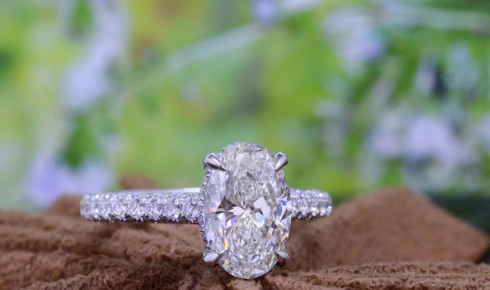
The journey to the moment when two people say I do is filled with anticipation, emotion, and countless meaningful choices. Among these choices, selecting the perfect ring is one of the most significant. Oval engagement rings have become increasingly popular as an elegant statement for couples embarking on this life-changing path. Their unique shape combines timeless beauty with modern flair, making them a symbol of love that stands out while honoring tradition.
An engagement ring is more than just a piece of jewelry; it is a declaration of commitment and a reflection of personal style. Oval engagement rings offer a delicate balance of sophistication and charm. Their elongated silhouette not only enhances the wearer’s hand but also allows the center stone to appear larger than other cuts, creating a striking impression. This makes the oval shape a preferred choice for those who want a classic yet distinctive look that captures the essence of their unique love story.
Beyond their visual appeal, oval engagement rings carry a deeper significance. Their continuous curves symbolize infinity and everlasting love, which aligns perfectly with the promises made on the wedding day. As couples move closer to their I do moment, these rings become a daily reminder of the bond they share and the journey they have taken together. Whether adorned with diamonds or other precious gemstones, the oval design elevates the ring into an heirloom piece that can be treasured for generations.
The journey to marriage is also marked by moments of thoughtful planning and personal expression. From choosing the right venue to picking the perfect dress, every detail adds to the elegance of the occasion. The engagement ring is often the first tangible symbol of this celebration and sets the tone for what is to come. Oval engagement rings offer versatility in design, allowing customization that reflects the couple’s personality. From vintage-inspired settings to contemporary minimalist bands, these rings adapt beautifully to different tastes and themes.
Moreover, the choice of an oval engagement ring reflects an appreciation for craftsmanship and artistry. Jewelers skillfully cut and polish each stone to maximize brilliance and fire, ensuring that the ring dazzles in every light. This attention to detail mirrors the care and dedication invested in the relationship itself, making the ring a fitting emblem for the journey toward matrimony.Visit our blog for more Yearly Magazine.
As couples prepare to say I do, the elegance of their engagement ring becomes an integral part of their story. It captures the excitement, the promises, and the love that defines this special time. Oval engagement rings, with their graceful shape and timeless appeal, offer a sophisticated statement that complements the heartfelt emotions of the journey.
In the end, the journey to I do is not just about the destination but the meaningful moments along the way. An elegant engagement ring serves as a beautiful companion during this time, embodying the depth of love and commitment that will continue to grow long after the wedding day. Choosing an oval engagement ring is a choice to embrace elegance and personal significance, ensuring that the story of love is told with style and sincerity.
Hyperpigmentation is one of the most common skin concerns, affecting people of all ages, skin tones, and types. Whether it appears as dark spots, age spots, melasma, or post-acne marks, hyperpigmentation can leave the skin looking dull and uneven. The good news is that with the right understanding and approach, it is possible to manage and gradually fade these patches, revealing a brighter and more radiant complexion.
At its core, hyperpigmentation is caused by an overproduction of melanin, the pigment responsible for the color of your skin, hair, and eyes. When certain areas of the skin produce too much melanin, the result is visible discoloration or spotting. While melanin is essential for protecting the skin against sun damage, too much of it in localized areas leads to uneven skin tone and blotchiness.
There are several triggers that can stimulate excess melanin production. The most common cause is sun exposure. Ultraviolet (UV) rays stimulate melanin as the skin’s natural defense mechanism. Over time, repeated or prolonged sun exposure without protection can lead to sunspots or age spots, especially on areas like the face, hands, and chest. This is why daily sun protection is non-negotiable when dealing with hyperpigmentation.
Another major contributor is post-inflammatory hyperpigmentation, which occurs after an injury or inflammation of the skin—most commonly from acne. As the skin heals, it may produce extra melanin in response to the trauma, resulting in dark marks that linger long after the blemish has disappeared. This is especially common in deeper skin tones, where melanin production is naturally higher.
Hormonal changes can also lead to a specific type of hyperpigmentation called melasma. It typically appears as larger patches on the cheeks, forehead, or upper lip and is often triggered by pregnancy, birth control pills, or hormone therapy. Melasma can be persistent and requires gentle, consistent care to manage effectively.
So how do you fade hyperpigmentation once it appears? The key lies in combining prevention with the use of brightening products that target melanin production. Ingredients like vitaminа C, niacinamide, licorice extract, and azelaic acid can help lighten dark spots by inhibiting melanin synthesis and promoting skin renewal. These ingredients are often found in serums and moisturizers formulated for brightening and evening out the skin tone.
Another helpful approach is exfoliation. By encouraging the shedding of dead skin cells, exfoliants—especially those containing alpha hydroxy acids (AHAs) or beta hydroxy acids (BHAs)—can gradually reduce the appearance of pigmentation and reveal fresher, clearer skin. However, it’s important not to over-exfoliate, especially if the skin is already sensitive.
Perhaps the most crucial step in any hyperpigmentation routine is sun protection. No brightening product can work effectively if the skin is continuously exposed to UV rays. A broad-spectrum sunscreen with SPF 30 or higher should be worn every day, rain or shine, to prevent further darkening and to protect the progress you make with your skincare.
Patience is essential when treating hyperpigmentation. Results don’t happen overnight, and it can take several weeks or even months of consistent care to see significant improvement. However, with the right ingredients, regular protection, and a gentle routine, dark spots can fade and uneven skin tone can be visibly improved.
Hyperpigmentation may be stubborn, but it’s not permanent. By understanding its causes and using effective brightening products, you can restore clarity and confidence to your complexion.
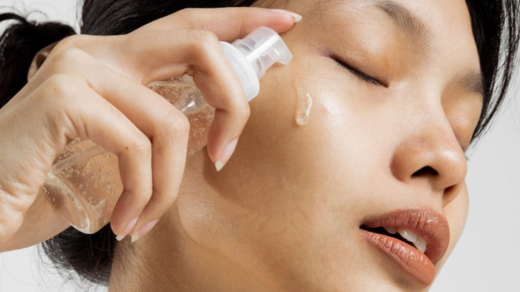
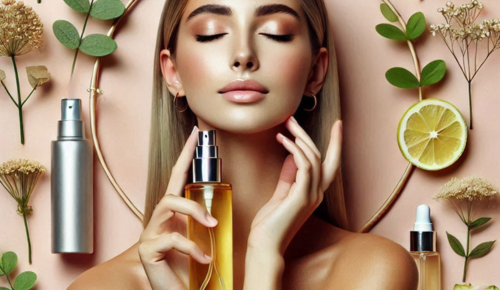
Facial mists have become a staple in modern skincare routines, offering an easy and refreshing way to boost hydration and revive tired skin. Whether you’re dealing with dryness, prepping your skin for makeup, or simply looking for a midday pick-me-up, a good facial mist can make all the difference. Here’s a look at the best facial mists and how to choose the perfect one for your needs.
Why Use a Facial Mist?
Facial mists provide a quick dose of hydration and other skincare benefits. Some of the key advantages include:
Instant Hydration: Perfect for dry or dehydrated skin.
Refreshing Boost: A quick spritz can rejuvenate your skin, especially in dry or hot environments.
Skin Prep: Helps create a smooth canvas for makeup application.
Soothing Sensation: Ideal for sensitive or irritated skin.
Setting Makeup: Some mists double as a setting spray to lock in your look.
Key Ingredients to Look For
When selecting a facial mist, consider the ingredients that suit your skin’s needs:
Vitamin C: Brightens and protects against environmental stressors.
Green Tea Extract: Packed with antioxidants to fight free radicals.
Top Facial Mists for Every Skin Type
For Dry Skin:
Look for mists with hydrating ingredients like glycerin, aloe vera, and hyaluronic acid. These help retain moisture and prevent dryness throughout the day.
Opt for mists containing witch hazel, tea tree oil, or salicylic acid to control excess oil and prevent breakouts.
For Sensitive Skin:
Choose fragrance-free mists with soothing ingredients like chamomile, calendula, or cucumber extract.
For Anti-Aging Benefits:
Mists infused with peptides, collagen, and antioxidants can help minimize fine lines and improve skin elasticity.
How to Use a Facial Mist
Facial mists are versatile and can be used in various ways:
Morning Hydration: Spritz your face after cleansing but before applying serums or moisturizer to boost hydration.
Makeup Prep: Use a mist before applying makeup to create a smooth, hydrated base.
Midday Refresh: Revive tired skin with a quick spritz during the day, especially in dry office environments.
Makeup Setting: Spray lightly over your finished makeup to set it in place and give your skin a dewy glow.
Nighttime Care: Use as a final step in your nighttime routine for an extra layer of hydration.
Tips for Choosing the Right Facial Mist
Check the Ingredients: Avoid alcohol-based mists that can dry out your skin.
Know Your Skin Type: Match the mist’s formulation to your skin’s specific needs.
Portable Packaging: Look for travel-friendly options to keep your skin refreshed on the go.
DIY Facial Mist Recipe
For those who prefer natural and cost-effective solutions, making your own facial mist is simple:
Ingredients:
1 cup distilled water
1 teaspoon rose water
A few drops of essential oil (like lavender or tea tree)
1 teaspoon glycerin (optional for added hydration)
Instructions:
Mix all ingredients in a spray bottle.
Shake well before each use.
Store in the refrigerator for an extra cooling effect.
Facial mists are a quick and easy way to hydrate, refresh, and pamper your skin throughout the day. By choosing the right mist for your skin type and needs, you can enjoy a boost of hydration and a healthy glow anytime, anywhere. Make facial mists a part of your skincare routine and experience the transformative power of instant hydration. Use quality cosmetics and perfumes like Fakhar.
Did you know that about 80% of people have bigger pores at some time? Knowing how to handle open pores on sensitive skin can change your skincare game.
Sensitive skin needs gentle but effective treatments for open pores. Homemade remedies are a safe choice instead of harsh chemicals. They soothe your skin without causing irritation. These easy fixes use kitchen ingredients to reduce pore size.
Struggling with oily skin, environmental damage, or big pores due to genes? These homemade remedies can make your skin smoother and more even.
Key Takeaways
Natural ingredients can effectively reduce the appearance of open pores
Gentle treatments work best for sensitive skin types
A consistent skincare routine is crucial for pore management
Home remedies can be cost-effective and chemical-free
Understanding your skin’s unique needs is key to successful treatment
Understanding Open Pores and Their Causes
Your skin has millions of tiny openings called pores. These openings help your skin stay healthy by letting sweat and oils out.
Open pores are a normal part of your skin. But they can look bigger for many reasons. Knowing why helps you take better care of your skin.
What Are Open Pores?
Open pores are small openings in your skin. They connect to glands that make sebum, a natural oil. This oil keeps your skin moist and safe. Everyone has pores, but some are more visible.
Common Causes of Enlarged Pores
Excess sebum production
Genetic predisposition
Aging and reduced skin elasticity
Sun damage
Hormonal changes
How Sensitive Skin Affects Pore Appearance
Sensitive skin can make pores look bigger. Irritation from the environment or harsh products can cause inflammation. This makes pores stand out more.
Pore Type
Characteristics
Common Skin Type
O-Shaped Pores
Larger, more visible
Oily Skin
U-Shaped Pores
Less prominent
Dry Skin
Y-Shaped Pores
Associated with aging
Mature Skin
Understanding why pores get bigger helps you take better care of your skin. You can use this knowledge to keep your skin looking healthy and bright.
Gram Flour and Yogurt Treatment for Pore Refinement
Discover the power of a besan face pack for natural exfoliation and pore refinement. Gram flour, known as besan, is a traditional skincare ingredient. It offers remarkable benefits for sensitive skin prone to open pores.
The mix of gram flour and yogurt makes a strong treatment. It helps shrink pores and smooth out skin texture. This natural remedy does several things:
Absorbs extra oil
Gently removes dead skin cells
Keeps skin’s natural pH balanced
Has mild antibacterial properties
To make your besan face pack, you’ll need a few simple things:
2 tablespoons of gram flour
3 tablespoons of fresh yogurt
1 teaspoon of olive oil (optional)
Mix the ingredients into a smooth paste. Spread it all over your face, focusing on big pores. Let it dry for 15-20 minutes, then rinse with cold water. For the best results, use this treatment twice a week.
Studies show that regular use can make pores less visible. People who used gram flour treatments saw better skin texture in two months.
Don’t forget to moisturize with a light, water-based cream after. This simple, affordable home remedy gently manages open pores on sensitive skin.
Fuller’s Earth and Rose Water Remedy
Dealing with open pores can be tough, even for those with sensitive skin. Multani mitti, also known as Fuller’s Earth, is a strong natural fix for skin problems and smaller pores.
Benefits of Fuller’s Earth for Pore Treatment
Fuller’s Earth is great for your skin’s health and looks. This natural clay tackles many skin issues:
Absorbs extra oil and cuts down skin dirt
Gives a cool feel to sensitive skin
Makes open pores less visible
Cleanses and detoxifies skin deeply
How to Prepare and Apply the Mixture
Making a Multani mitti remedy is easy and works well. Here’s how to make your own face mask:
Mix 2 tablespoons of Fuller’s Earth with rose water
Blend until it’s smooth
Put it all over your face
Let it dry fully
Wash off with warm water
Frequency of Application
For the best results, use this remedy 1-2 times a week. Regular use will help control open pores and make your skin smoother.
Ingredient
Benefit
Skin Impact
Multani mitti
Oil absorption
Reduces pore visibility
Rose water
Skin toning
Minimizes pore size
Pro tip: Always patch test new skincare treatments to ensure compatibility with your sensitive skin.
Ice Therapy for Instant Pore Tightening
Ice therapy is a popular skincare method. It tightens skin and shrinks pores quickly. Many people use it because it’s easy and works well.
Ice therapy is great for sensitive skin. It:
Temporarily reduces pore size
Cools skin irritation
Improves skin tone
Controls sebum
To get the most from ice therapy, follow these tips:
Clean your skin first
Wrap ice cubes in a cloth or paper towel
Massage your face gently in circles
Pay attention to your forehead, cheeks, and jawline
Do it for 5-10 minutes each day
Adding beneficial ingredients to your ice cubes can help. Green tea or milk can nourish your skin while shrinking pores.
Be careful with ice therapy. Don’t touch your skin directly, and don’t use it too long. If done right, it can change your skincare routine.
Homemade Remedies for Open Pores
Discovering homemade remedies for open pores can change how your skin looks and feels. Natural treatments are gentle yet effective in reducing pores and improving skin texture.
Knowing the right ingredients and methods is important for your sensitive skin. Choose natural components that work well together to tackle pore issues.
Natural Ingredients Selection
Picking the right ingredients is key for DIY skincare success. Some top natural choices include:
Egg whites for skin tightening
Honey for antibacterial properties
Apple cider vinegar as a natural astringent
Aloe vera for soothing inflammation
Green tea for antioxidant benefits
Preparation Methods
Making natural pore treatments needs careful mixing and prep. Studies show home remedies can improve skin texture.
Ingredient
Benefit
Application Frequency
Clay Mask
Reduces acne lesions
Twice weekly
Egg White Mask
Tightens skin
1-2 times per week
Apple Cider Vinegar
Skin tightening
3 times per week
Application Techniques
How you apply your DIY skincare is crucial. Always clean your face first. Then, gently massage the mixture in circular motions to let it soak in.
Pro tip: Test new ingredients and avoid rough scrubbing to avoid irritation. Being consistent is important for better skin.
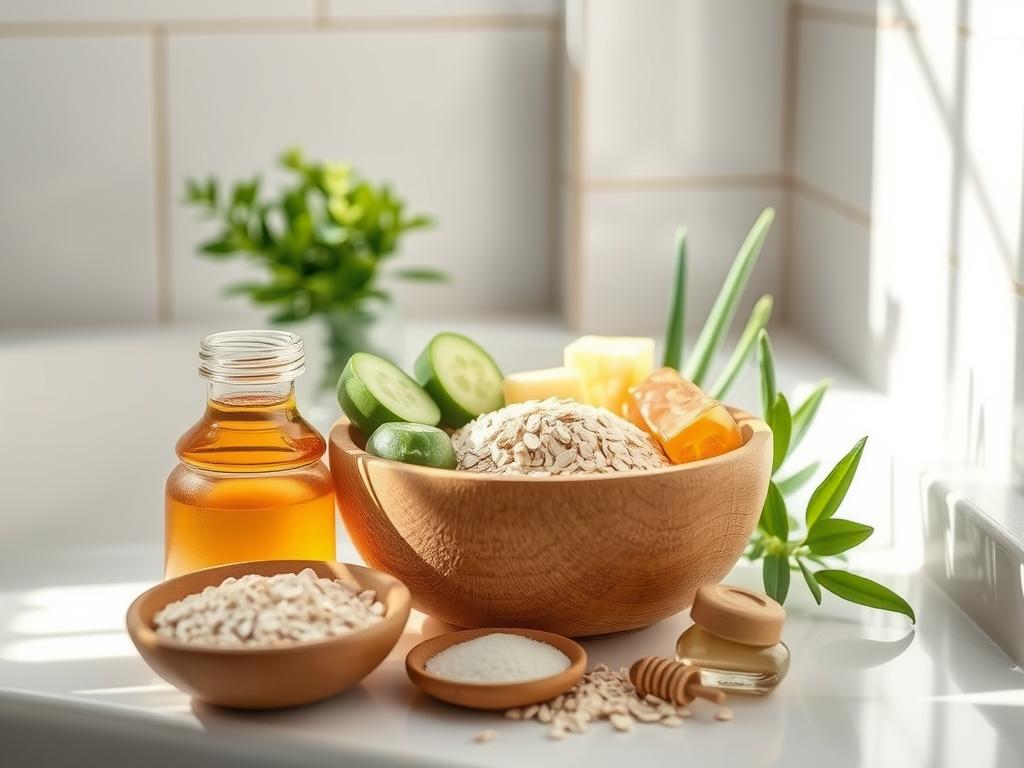
Oatmeal and Honey Pore-Cleansing Mask
Discover a natural mask that cleans pores with colloidal oatmeal and honey. It’s gentle yet powerful, great for sensitive skin with open pores.
Colloidal oatmeal hydrates your skin in ways other products can’t. It has avenanthramides, which are antioxidants and anti-inflammatories. They calm and protect your skin.
Ingredients for the Mask:
2 tablespoons colloidal oatmeal
1 tablespoon raw honey
Warm water (for mixing)
This mask tackles many skin issues at once. Honey keeps moisture in and fights bacteria. Together with oatmeal, it refines your skin and reduces pores.
Application Steps:
Mix oatmeal and honey to make a paste.
Put the paste on clean, dry skin.
Wait 10-15 minutes for it to dry.
Rinse with warm water.
Pat dry and moisturize lightly.
Use this mask once or twice a week for best hydration. Oatmeal gently exfoliates and soothes, ideal for sensitive skin.
Essential Skincare Practices for Pore Management
Managing open pores needs a good skincare routine. It should cover many skin health areas. How you care for your skin affects your pores and skin texture.
Daily Cleansing Routine
Having a regular skincare routine is important for open pores. Pick non-comedogenic products to avoid clogged pores. Wash your face twice a day with gentle, pH-balanced cleansers.
Proper Exfoliation Methods
Exfoliation is key for managing pores. The American Academy of Dermatology says to exfoliate 1-2 times a week. Use chemical exfoliants with AHAs or BHAs to clear pores and smooth skin.
Use gentle chemical exfoliants
Avoid harsh physical scrubs
Focus on gentle, consistent approach
Importance of Moisturizing
Keeping your skin hydrated is vital for healthy skin and open pores. Choose non-comedogenic, water-based moisturizers. They keep your skin balanced without clogging pores.
Skincare Step
Recommended Frequency
Key Considerations
Cleansing
Twice Daily
Use non-comedogenic products
Exfoliation
1-2 Times per Week
Use AHA/BHA exfoliants
Moisturizing
Twice Daily
Water-based, non-comedogenic
Sun Protection
Daily
SPF 30 or Higher
Consistent skincare is crucial for managing open pores. Use sunscreen daily, stay hydrated, and eat well. These steps help keep your skin healthy.
Natural Clay Masks for Deep Pore Cleansing
Clay masks are a strong way to clean deep pores. They pull out dirt, extra oil, and germs from your skin. This makes your pores look smaller and cleaner.
Go for masks with bentonite or kaolin clay for the best results
Find masks that fit your skin type
Use clay masks 2-3 times a week
How you apply the mask is key for good results. First, wash your face well and remove makeup. Spread the mask all over your face, but skip the eyes. Wait 5-15 minutes, depending on how sensitive your skin is.
Here are some tips for applying the mask:
Rinse the mask off with warm water
Pat your face dry with a clean towel
Put on a light moisturizer to keep your skin balanced
Some people add a drop of essential oil like lavender or tea tree to the mask. But remember, clay might have tiny amounts of metals. So, check where your product comes from.
Using clay masks can make your skin clearer and your pores smaller. It’s a great way to take care of your skin.
Conclusion
Managing open pores on sensitive skin needs a smart plan with natural skincare. The natural treatment for open pores with homemade remedies we’ve looked at are great for making pores less visible. They also help improve your skin’s texture.
Remember, good skincare is a journey. Your daily routine should include gentle cleaning, special home treatments, and protection. Ingredients like aloe vera, oatmeal, and witch hazel can really help.
Protecting your skin from the sun and keeping it hydrated is also key. This helps you get smoother, brighter skin.
Be patient and keep trying with natural skincare. Every remedy you try gets you closer to your goal of better skin. Your sensitive skin needs gentle care, and these treatments offer that.
Start changing your skin today by adding these effective methods to your routine. Your skin’s health is a journey. Stay consistent, be gentle with yourself, and trust in natural remedies.
With the right effort and approach, you can get the clear, smooth skin you’ve always wanted.
FAQ
What causes open pores on sensitive skin?
Open pores can come from many things. This includes too much oil, aging, sun damage, and genes. For sensitive skin, these issues can make pores more noticeable. This is because sensitive skin gets irritated and inflamed more easily.
How often should I use natural remedies for open pores?
Use natural treatments like gram flour masks 1-2 times a week. It’s key not to overdo it. Listen to how your skin reacts to these remedies.
Are clay masks safe for sensitive skin?
Clay masks can be good for sensitive skin if done right. Pick gentle, non-irritating masks with kaolin or bentonite clay. Use them 2-3 times a week. Always test a small area first and moisturize with a non-comedogenic product afterwards.
Can ice therapy help reduce the appearance of open pores?
Yes, ice cube therapy can tighten pores and calm the skin. But be careful with sensitive skin. Wrap the ice in a cloth and gently roll it on your skin for a minute.
What ingredients are best for treating open pores on sensitive skin?
For sensitive skin, use gentle, natural ingredients. Look for colloidal oatmeal, honey, yogurt, and gram flour. These help exfoliate, soothe, and reduce irritation without causing more inflammation.
How can I prevent open pores from getting larger?
Keep a consistent skincare routine. This includes gentle cleansing, careful exfoliation (1-2 times weekly), non-comedogenic moisturizing, and daily sun protection. Stay away from harsh products and always use sunscreen to prevent damage that can make pores bigger.
Is it possible to permanently close open pores?
You can’t permanently close pores, but you can make them less noticeable. Use consistent skincare, natural treatments, and protect your skin from damage. Regular exfoliation, hydration, and sun protection can help reduce pore visibility.
Can diet affect open pores on sensitive skin?
Yes, diet can affect your skin. Eating a balanced diet with lots of water, fruits, veggies, and omega-3s can keep your skin hydrated and reduce inflammation. This may help make pores less noticeable.
Are there any risks with using natural remedies on sensitive skin?
Always do a patch test before trying new remedies. Some natural ingredients can cause allergic reactions or irritation. Start small, watch for bad reactions, and stop using if you get redness, itching, or increased sensitivity.
For a variety of content focused on natural and herbal remedies for various healthcare concerns, please visit: Pure Remedy Solutions
Tags: homemade remedies for open pores, natural treatment for open pores, Pure Remedy Solutions, open pores treatment home remedy, homemade remedies for open pores on face
Accessories have long been used not only for their beautiful appeal but also for their believed curative properties. Among common people precious treasure and metals used in jewelry, white and emerald are conspicuous for their remarkable curative attributes.
In this article, we will delve into the interesting world of silver and emerald ring and survey their potential to promote physical, mental, and emotional welfare.
Silver Rings: The Metal of Healing
· The History and Significance of Silver in Healing
Silver has a rich history of use in miscellaneous forms of alternative medicine and curative practices. From ancient civilizations to new wellness enthusiasts, silvery continues to be revered for its allure and purported healing characteristics.
The metal is popular for its antimicrobial, antagonistic-inflammatory, and immune-pushing characteristics, which have been leveraged in established medicine for centuries.
· Physical Healing Benefits of Silver Rings
Silver jewelry, particularly the silver and emerald ring, is trusted to have a host of physical restorative benefits. The metal’s antimicrobial properties are effective in averting infections and advancing wound healing.
Those who contract an illness arthritis or joint pain often count on silver rings for aid, as the metal is believed to have antagonistic-inflammatory features that can alleviate discomfort.
· Emotional and Spiritual Healing Accompanying Silver Rings
In addition to its physical curative properties, white is also associated with impassioned and spiritual welfare. Wearing a silver ring is pronounced to promote a sense of calm and balance, making it a popular choice for those pursuing emotional restorative or stress relief.
The hardware is also believed to improve intuition and metaphysical abilities, making it a favorite with spiritual practitioners and strength healers.
Emerald Rings: The Gem of Healing
· The Mystical Origins of Emeralds in Healing
Emerald has long been prized for the allure of its mesmerizing green hue and strong healing features. Known as the “stone of profitable love,” emerald is believed to advance health, unity, and abundance effectively in areas of life. The silver and emerald ring has a storied record in various sophistications, where it has been prized for its skill to heal and assure its wearer.
· Physical Healing Benefits of Emerald Rings
Emerald is thought to occupy a range of physical restorative properties that can benefit the wearer. The silver and emerald ring is pronounced to detoxify the body, boost the invulnerable system, and help overall health and vitality. Those laboring with incessant illnesses or fatigue may find solace in wearing an emerald ring, as it is trusted to restore strength and promote material well-being.
· Emotional and Spiritual Healing with Emerald Rings
Beyond the allure of physical restorative properties, moss is also associated with heated and spiritual restorative. The gem is trusted to promote emotional balance, improve self-love, and stimulate creativity and plethora. Wearing an emerald ring is said to join the heart chakra, supporting deep emotional relations and promoting spiritual growth.
· Harnessing the Power of Silver and Emerald Rings
Silver and emerald ring offers a singular blend of physical, emotional, and religious healing features that make them cherished accessories for those pursuing holistic comfort. Whether worn for their beautiful appeal or their believed healing attributes, these expensive metals and gems have the potential to reinforce one’s fitness and vitality on multiple levels.
Conclusion
So next opportunity you adorn yourself with a silver and emerald ring, get that you are not just wearing a necklace – you are harnessing the power of old healing beliefs and the magic of nature itself.